Sourdough Recipe Not Bread: 5 Cozy Ways To Use Your Starter (Without Baking a Loaf)
If you’ve got a bubbly jar on the counter and you’re searching for a Sourdough Recipe Not Bread, you’re in the right kitchen—today we’re turning that starter into the easiest, crispiest sourdough crackers plus a handful of sweet and savory ideas you’ll want on repeat.
I’m a 50-year-old mom, long-time home baker, and slightly obsessive sourdough keeper, and I promise: sourdough non bread recipes are where the real fun begins. From crunchy crackers to weekend pancakes, we’re talking sourdough discard recipes that fit real life, not just special occasions.
What Is This “Sourdough Recipe Not Bread” All About?
When people think “sourdough,” they picture a big crusty loaf. Delicious, yes. Practical every day? Not always.
A Sourdough Recipe Not Bread simply means we’re using our starter or leftover sourdough starter for other things: snacks, breakfast, desserts, quick weeknight sides—without committing to a full bread-baking project.
Today I’m featuring my go-to Sourdough Herb & Sea Salt Crackers as the main recipe. They’re thin, crispy, and addictive in the best way. They’re one of my most-requested sourdough snack ideas—perfect for cheese boards, lunch boxes, or just something salty to crunch on while you answer emails.
Along the way, I’ll sprinkle in sourdough pancake recipe tips, waffle tricks, and even sourdough dessert ideas (yes, cake and cookies!) so you’ve got a full list of sourdough recipe ideas at your fingertips.
Why You’ll Love This Sourdough Recipe Not Bread
• Uses up lots of discard
Great way to tackle leftover sourdough starter and cut down on waste—each batch makes a big tray of crackers.
• No long fermentation schedule
No need to plan your day around dough; this recipe is mixed, rolled, and baked in under an hour.
• Crispy, salty, and snackable
These sourdough savory snacks are light, crunchy, and sturdy enough to handle hummus, dips, and cheese.
• Pantry-friendly ingredients
You likely have everything on hand already—starter, flour, oil, salt, and a few spices.
• Easy to customize
Turn them into everything bagel crackers, cheesy crackers, or even a slightly sweet version with cinnamon sugar.
• Naturally egg-free
Great for families with egg allergies, and you can easily make them dairy-free by skipping the cheese topping.
• Perfect make-ahead appetizer
An ideal sourdough appetizer recipe for holidays, game days, or casual nights with a glass of wine.
• Kid- and adult-approved
My grown kids pack them for work, and my niece calls them “fancy goldfish for adults.” I’ll take it.
Ingredients
For the Sourdough Herb & Sea Salt Crackers (your new favorite Sourdough Recipe Not Bread):
-
1 cup (240 g) active sourdough starter or discard
(100% hydration; straight from the fridge is fine—this is one of those forgiving sourdough discard recipes.) -
1 cup (120 g) all-purpose flour
(You can swap up to ½ cup for whole wheat or spelt for a nuttier flavor.) -
2 tbsp (30 ml) olive oil
(Use a mild extra-virgin olive oil; strong peppery oils can dominate the flavor.) -
½ tsp fine sea salt
(Fine salt blends better into the dough than flaky salt.) -
½ tsp garlic powder
(Optional, but it adds a nice savory backbone.) -
½ tsp dried Italian herbs or dried thyme
(You can also use dried rosemary, crushed a bit between your fingers.) -
¼ tsp freshly ground black pepper
(Adjust to your taste; I like a bit of bite.) -
Flaky sea salt, for topping
(Maldon or similar; those little crystals make crackers taste like “store-bought but better.”) -
1–2 tbsp finely grated Parmesan or Pecorino (optional)
(For a cheesy twist; grate it very finely so it melts and doesn’t burn.) -
1–2 tsp neutral oil or extra olive oil (for brushing)
(Helps the salt and herbs stick and boosts crispness.)
A few ingredient tips:
- Sourdough starter: This Sourdough Recipe Not Bread is perfect whether your starter is freshly fed or leftovers from a few days ago. Older discard will give a tangier cracker.
- Flour: If using some whole grain, you may need a teaspoon or two of extra water if the dough feels dry; whole grains absorb more moisture.
- Herbs: Don’t be afraid to mix and match—Italian seasoning, dried dill, or even a pinch of smoked paprika are lovely.

Directions: How To Make Crispy Sourdough Crackers
-
Preheat and prep your pans
Preheat your oven to 350°F (175°C). Line one large baking sheet (or two smaller ones) with parchment paper or a silicone baking mat. This helps the crackers crisp up evenly and prevents sticking. -
Mix the dough
In a medium bowl, whisk together the sourdough starter (or discard), olive oil, and salt until smooth. Add the flour, garlic powder, dried herbs, and black pepper. Stir with a spatula or wooden spoon until a soft dough forms. It should feel like a slightly tacky pie dough—firm enough to roll, but not crumbly. -
Adjust texture if needed
If the dough is too sticky to handle, sprinkle in a teaspoon or two of extra flour and knead gently right in the bowl. If it’s dry or cracking, add ½ teaspoon water at a time and knead again. Don’t stress here—this isn’t bread dough, so you don’t need perfect gluten development; you just want something that holds together. -
Divide and roll thin
Turn the dough out onto a lightly floured surface. Divide into two portions. Working with one piece at a time, roll the dough as thin as you can—about 1/16–⅛ inch. The thinner the dough, the crisper the cracker. If it springs back, let it rest for 5 minutes, then roll again. -
Transfer and brush
Gently lift the rolled dough onto your prepared baking sheet. It doesn’t have to be a perfect rectangle; rustic edges are charming. Brush lightly with olive oil. This helps the crackers brown and gives the toppings something to cling to. -
Score into cracker shapes
Using a pizza cutter or sharp knife, score the dough into squares or rectangles about 1–1½ inches wide. Don’t cut all the way through the parchment; just slice down to the pan. This makes it easy to break the crackers apart once they’re baked. -
Top with salt and cheese
Sprinkle the surface with flaky sea salt and, if using, a light dusting of grated Parmesan or Pecorino. Go easy—you want a thin veil of cheese, not heavy clumps that burn. -
Bake until golden and crisp
Bake for 18–25 minutes, rotating the pan halfway through. Every oven runs a little differently, so start checking at 15 minutes. They’re ready when the edges are deep golden and the center crackers feel firm to the touch. The ones at the edges may darken first—that’s normal. -
Cool and break apart
Remove the tray from the oven and let the crackers cool completely on the pan. As they cool, they’ll crisp up more. Once cool, break them along the scored lines. Snack on a warm one…just to “test,” of course. -
Taste and tweak for next time
Take a small handful and really pay attention: too salty? Not herby enough? Make a quick note. Sourdough recipe ideas like this are easy to tweak batch by batch—slightly more herbs, less cheese, a bit more garlic—until they’re exactly how your family likes them.
Servings & Timing
- Yield: About 80–100 small crackers (enough for 6–8 snack servings or 1 large party platter)
- Prep Time: 15–20 minutes
- Bake Time: 18–25 minutes
- Total Time: About 40–45 minutes
Honestly, for a Sourdough Recipe Not Bread that uses discard and doesn’t require any rising time, this is a pretty quick payoff.
Variations: More Ways To Play With This Sourdough Recipe Not Bread
Think of this as your base sourdough cracker recipe, and then have fun with it.
- Everything Bagel Crackers – Skip the herbs and sprinkle the top with everything bagel seasoning plus a tiny extra brush of oil so it adheres.
- Smoky Paprika & Cheddar – Add ½ tsp smoked paprika to the dough, then top with finely shredded sharp cheddar instead of Parmesan.
- Rosemary & Lemon Zest – Use dried or fresh minced rosemary and add 1 tsp fresh lemon zest to the dough for a bright, Mediterranean feel.
- Cinnamon Sugar Sweet Crackers – Leave out the garlic and herbs, add 1 tbsp sugar to the dough, then sprinkle with cinnamon sugar before baking. Great with coffee or tea.
- Gluten-Free Experiment – Swap the flour for a 1:1 gluten-free baking blend; the crackers are usually a bit more delicate but still delicious and crisp.
Storage & Make-Ahead Tips
These crackers are perfect for planning ahead—another reason I lean on them as a Sourdough Recipe Not Bread during busy weeks.
-
Room temperature storage:
Store cooled crackers in an airtight container or glass jar at room temperature for up to 5–7 days. If your kitchen is humid, they may soften a bit; see the next point. -
Re-crisping:
If they lose their crunch, spread them on a baking sheet and warm them at 300°F (150°C) for 3–5 minutes, then cool. They’ll crisp right back up. -
Freezer:
For longer storage, freeze the baked crackers in a zip-top bag for up to 2 months. Thaw at room temperature and re-crisp in a low oven if needed. -
Make-ahead dough:
You can mix the dough, wrap tightly, and refrigerate for up to 24 hours. Bring to room temperature for about 15 minutes, then roll and bake. The flavor will be slightly tangier after a rest.
Notes From My Kitchen (A Few Hard-Earned Lessons)
-
Thin is everything.
The biggest difference between “meh” crackers and “wow, you made these?!” crackers is thickness. Roll the dough thinner than you think you should—almost to the point where you’re nervous. That’s the sweet spot. -
Older discard = more flavor.
If you love tangy sourdough breakfast recipes or snacks, use older sourdough discard from the back of the fridge. Freshly fed starter will be milder and slightly sweeter. -
Pan choice matters.
Darker baking sheets brown the crackers faster. If your crackers are browning too quickly, lower the oven to 325°F next time or use a lighter pan. -
Salt on top, not in excess inside.
Because we’re finishing with flaky sea salt, keep the salt in the dough moderate. It’s easy to oversalt if you go heavy both inside and out. -
Double batch for parties.
When I bring these as a sourdough appetizer recipe for holidays, I always make a double batch. They vanish fast on a cheese board with olives, nuts, and a little fig jam.
Beyond Crackers: More Sourdough Recipe Ideas (Not Bread!)
Since you’re searching for “Sourdough Recipe Not Bread,” I’m guessing you want more ways to use that starter than just loaves. Here are some tried-and-true favorites from my kitchen:
-
Sourdough Pancake Recipe
Use 1 cup sourdough discard in your pancake batter, cut the flour a bit, and add a splash of buttermilk. The result? Fluffy pancakes with gentle tang—one of my favorite sourdough breakfast recipes for lazy Sundays. -
Sourdough Waffle Recipe
Similar to pancakes, but with a bit of melted butter in the batter and a longer rest (even overnight in the fridge). The starter gives you crisp outsides and tender interiors; the waffles also freeze beautifully. -
Sourdough Muffin Recipe
Stir a half cup of leftover sourdough starter into your favorite blueberry or banana muffin batter, reducing the liquid slightly. You get tender muffins with a little extra depth of flavor—and great texture the next day. -
Sourdough Cookie Recipe
Stir some discard into chocolate chip cookie dough and chill overnight. The acids in the starter help develop flavor and chew. Think bakery-style cookies with an almost caramel-y undertone. -
Sourdough Cake Recipe
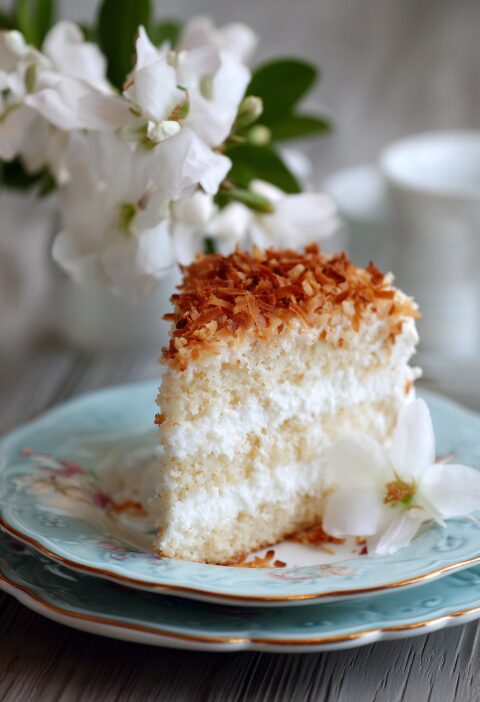
For a small snack cake, replace part of the liquid and flour with starter and add cocoa or spices. The crumb is moist and fine-textured, and it’s a fun way to experiment with sourdough sweet recipes. -
Sourdough Quick Bread & Flatbread
Use starter to enrich a simple batter loaf (like pumpkin or zucchini) or whisk it into a quick flatbread recipe; cook the flatbread in a cast iron skillet with a bit of oil for an easy side to soup or salad.
Once you start using sourdough starter uses beyond bread—snacks, desserts, breakfasts—you realize that jar is less “baking project” and more “flavor base waiting for a job.”
FAQs About This Sourdough Recipe Not Bread
1. Can I use sourdough discard straight from the fridge?
Yes. Cold starter is fine for this cracker recipe; just give it a quick stir so it’s fairly even before measuring.
2. My dough is sticky—did I do something wrong?
Probably not. Starters vary in hydration. Just knead in a teaspoon of flour at a time until it’s soft but not gluey.
3. How do I make these crackers dairy-free?
Skip the Parmesan and check your seasonings for hidden dairy; the basic recipe is already dairy-free without the cheese.
4. Can I make these crackers whole wheat?
Yes, but swap only about half the flour for whole wheat. Any more and they can get dense; you may also need a bit more water.
5. Why aren’t my crackers crispy?
They were likely rolled too thick or underbaked. Next time, roll thinner and bake until the edges are deep golden; you can also re-crisp them at a low temperature.
6. Are these crackers healthy?
They’re a more wholesome snack than many packaged crackers—simple ingredients, no mystery oils—and you can add whole grains or seeds for extra nutrition.
7. Can I add seeds like sesame or flax?
Absolutely. Mix a few tablespoons right into the dough or sprinkle them on top, pressing gently so they stick.
8. What else can I make with leftover sourdough starter?
Beyond this cracker recipe, try sourdough biscuits, waffles, pancakes, muffins, cookies, and even sourdough dessert ideas like brownies or snack cakes—anywhere you’d like extra flavor and tenderness.
Conclusion: Your Starter’s New Job Description
Sourdough doesn’t have to mean a big floury project on the weekend. With this Sourdough Recipe Not Bread—crispy herb & sea salt crackers—you can turn leftover sourdough starter into everyday snacks that feel a little special but still fit a busy schedule.
Give this recipe a try the next time you refresh your starter and tell me how it goes—leave a comment with your favorite variation, or share what other sourdough snack ideas you’d like to see next. And if you’re in a breakfast mood, slide over to your next project: a fluffy sourdough pancake or waffle recipe waiting to happen in that same jar of starter.
Sourdough Herb & Sea Salt Crackers (Sourdough Recipe Not Bread)
Ingredients
- 1 cup active sourdough starter or discard 100% hydration, about 240 g; cold from the fridge is fine
- 1 cup all-purpose flour about 120 g; you may swap up to 1/2 cup with whole wheat or spelt
- 2 tablespoons olive oil plus more for brushing; use a mild extra-virgin oil
- 1/2 teaspoon fine sea salt for the dough
- 1/2 teaspoon garlic powder optional, for savory flavor
- 1/2 teaspoon dried Italian herbs or dried thyme or use dried rosemary, lightly crushed
- 1/4 teaspoon freshly ground black pepper adjust to taste
- flaky sea salt such as Maldon, for topping to taste
- 1 tablespoon olive oil or neutral oil for brushing the rolled dough (1–2 tablespoons as needed)
- 1 tablespoon finely grated Parmesan or Pecorino optional, 1–2 tablespoons; grate very finely so it melts and doesn’t burn
Instructions
- Preheat your oven to 350°F (175°C). Line one large baking sheet (or two smaller ones) with parchment paper or a silicone baking mat to prevent sticking and help the crackers crisp evenly.
- In a medium bowl, whisk together the sourdough starter or discard, 2 tablespoons olive oil, and 1/2 teaspoon fine sea salt until smooth. Add the all-purpose flour, garlic powder (if using), dried herbs, and black pepper. Stir with a spatula or wooden spoon until a soft dough forms. It should be slightly tacky but firm enough to roll.1 cup active sourdough starter or discard, 1 cup all-purpose flour, 2 tablespoons olive oil, 1/2 teaspoon fine sea salt, 1/2 teaspoon garlic powder, 1/2 teaspoon dried Italian herbs or dried thyme, 1/4 teaspoon freshly ground black pepper
- If the dough is too sticky to handle, knead in an extra teaspoon or two of flour right in the bowl until it’s manageable. If it feels dry or cracks when pressed, sprinkle in 1/2 teaspoon water at a time and knead until it holds together smoothly. You don’t need to develop gluten here—just a cohesive dough.1 cup all-purpose flour
- Turn the dough out onto a lightly floured surface and divide it into two portions. Working with one piece at a time, roll the dough as thin as you can—about 1/16–1/8 inch thick. If the dough springs back while rolling, let it rest for 5 minutes, then continue rolling. Thinner dough yields crispier crackers.
- Carefully transfer each rolled sheet of dough to the prepared baking sheet. The shape doesn’t have to be perfect. Lightly brush the surface of the dough with a thin layer of oil so the toppings stick and the crackers brown nicely.1 tablespoon olive oil or neutral oil
- Using a pizza cutter or sharp knife, score the dough into squares or rectangles about 1–1 1/2 inches wide. Cut down to the pan but not through the parchment. These score lines will make it easy to break the crackers apart once baked.
- Sprinkle the surface lightly with flaky sea salt. If using Parmesan or Pecorino, scatter 1–2 tablespoons of very finely grated cheese in a thin, even layer so it melts instead of burning. Avoid heavy clumps.flaky sea salt, 1 tablespoon finely grated Parmesan or Pecorino
- Bake for 18–25 minutes, rotating the pan halfway through. Start checking at 15 minutes, as ovens vary. The crackers are done when the edges are deep golden and the center pieces feel firm and dry to the touch. Edge crackers may darken first; remove any that are done and return the rest to the oven if needed.
- Remove the baking sheet from the oven and let the crackers cool completely on the pan; they will crisp further as they cool. Once fully cooled, break the crackers along the scored lines into individual pieces.
- Taste a few crackers and note whether you’d like more or less salt, herbs, garlic, or cheese next time. Adjust the seasoning amounts in your notes so you can dial them in perfectly for your family’s taste in future batches.