Sablefish Recipe (Restaurant-Quality, Oven-Baked & Weeknight-Easy)
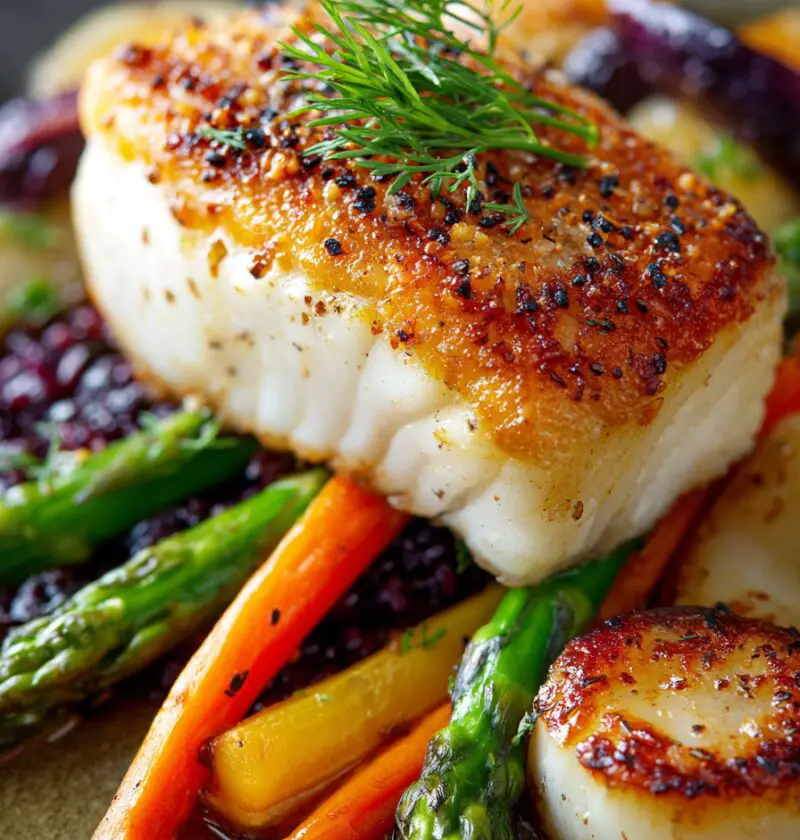
This sablefish recipe is a tender, buttery, oven-baked main course with a simple marinade and a silky sauce—perfect for an easy, elegant sablefish dinner that feels like it came straight from a coastal restaurant.
Let me explain why I love this one so much. Sablefish (sometimes called black cod or butterfish) is naturally rich and velvety, which makes it very forgiving for home cooks. This baked sablefish fillet gets a quick marinade, a short stay in a hot oven, and then a light, bright sauce that balances the richness. It’s the kind of sablefish dish I make when I want something special on a Tuesday night but don’t want to babysit a pan on the stove.
I usually pull this out in early spring or fall, when the evenings feel cooler and I’m craving something comforting yet not heavy like a pot roast. I first had sablefish at a little place on the Oregon coast, and I remember thinking, “Why aren’t we all cooking this at home?” So this sablefish oven baked recipe is my answer—restaurant flavor, home-kitchen effort.
Why You’ll Love This Sablefish Recipe
• Buttery-soft texture, almost no effort
Sablefish is naturally rich, so it stays tender even if you’re not a “perfect” cook—great for nervous fish-cookers.
• Oven-baked, hands-off cooking
No standing over a sputtering skillet; the sablefish fillet roasts gently while you prep a salad or pour a glass of wine.
• Simple, flavor-packed sablefish marinade
A quick mix of pantry staples adds layers of flavor without an extra grocery run.
• Restaurant-style sablefish with sauce
A light, tangy pan sauce makes it feel fancy enough for guests while still being weeknight-friendly.
• Healthy main course that still feels indulgent
You get omega-3s, high-quality protein, and a butter-like texture—this is one of those “good for you but tastes luxurious” meals.
• Works with frozen sablefish
Start with a thawed sablefish fillet from the freezer aisle or fish counter; both deliver great results.
• Flexible for different sides and flavors
This sablefish preparation pairs well with rice, mashed potatoes, roasted vegetables, or even a simple green salad.
• Beginner-friendly but impressive
If you’re newer to cooking fish, this is a confidence-building recipe that looks and tastes like you spent all day on it.
Ingredients (What You’ll Need for This Baked Sablefish Dinner)
You’ll need about 10 minutes of prep and a few simple ingredients to make this baked sablefish main course.
For the sablefish:
- 1 ½ pounds sablefish fillets, skin-on or skinless (about 4 fillets, 5–6 ounces each)
- 1 tablespoon olive oil (for greasing the baking dish)
- ½ teaspoon fine sea salt
- ¼ teaspoon freshly ground black pepper
For the sablefish marinade:
- 3 tablespoons low-sodium soy sauce (or tamari for gluten-free)
- 2 tablespoons mirin (Japanese sweet rice wine; substitute 1 tablespoon honey + 1 tablespoon water if needed)
- 1 tablespoon rice vinegar (or apple cider vinegar in a pinch)
- 1 tablespoon maple syrup or honey
- 1 tablespoon fresh lemon juice (about ½ lemon)
- 2 teaspoons toasted sesame oil (adds a deep, nutty aroma)
- 2 cloves garlic, minced or pressed
- 1 teaspoon fresh ginger, grated (or ¼ teaspoon ground ginger if that’s what you have)
For the sablefish sauce (light pan sauce):
- 2 tablespoons unsalted butter
- 1 tablespoon olive oil
- Remaining marinade (after you remove the fish)
- 2 tablespoons water or low-sodium chicken broth
- 1 teaspoon cornstarch (mixed with 2 teaspoons cold water to make a slurry)
- 1 teaspoon lemon zest
- 1 tablespoon finely chopped fresh chives or green onions
For serving (optional but lovely):
- Cooked jasmine rice, brown rice, or mashed potatoes
- Steamed or roasted vegetables (asparagus, broccolini, green beans)
- Lemon wedges
- Toasted sesame seeds (for a subtle crunch and aroma)
A few quick ingredient tips from my kitchen:
- Choosing sablefish: Look for firm, moist fillets that don’t smell “fishy”—they should smell like the sea, not a wharf on a hot day. Fresh or previously frozen is fine.
- Skin-on vs. skinless: I like skin-on because it helps hold the fish together in the oven and adds flavor, but skinless works if that’s what’s available.
- Soy sauce: Low-sodium gives you more control over the saltiness of the final dish.
- Butter: Real butter matters here; it gives the sablefish sauce its silky, restaurant-style finish.

Directions (Step-by-Step for Perfect Oven-Baked Sablefish)
1. Prep the sablefish and baking dish
Lightly oil a baking dish just big enough to fit your sablefish fillets in a single layer. Pat the sablefish dry with paper towels—this helps the marinade cling and ensures better texture. Season both sides lightly with salt and pepper.
2. Whisk together the sablefish marinade
In a small bowl, whisk the soy sauce, mirin, rice vinegar, maple syrup (or honey), lemon juice, sesame oil, garlic, and ginger. Taste it—it should be salty, sweet, tangy, and aromatic all at once. If it tastes good now, it’ll be wonderful on the fish.
3. Marinate the sablefish (but not too long)
Place the sablefish fillets in a shallow dish or a zip-top bag. Pour the sablefish marinade over the fish, turning gently to coat. Marinate in the fridge for 20–30 minutes. Because sablefish is delicate and the marinade is slightly acidic, don’t leave it for hours or it can start to break down the texture.
4. Preheat your oven
While the fish marinates, preheat your oven to 400°F (200°C). Place a rack in the center position. This temperature gives you a nice balance: a gently caramelized top without drying out the fillets.
5. Arrange the sablefish for baking
Transfer the marinated sablefish fillets to your prepared baking dish, skin-side down if using skin-on. Reserve the excess marinade in a small bowl—you’ll use it to build the sauce. Spread the fillets out so they’re not crowded; a little space helps them cook evenly.
6. Bake the sablefish
Bake in the preheated oven for 10–14 minutes, depending on thickness. Sablefish cooks quickly; it’s done when it flakes easily with a fork and the center is just opaque. A good rule of thumb is about 8–10 minutes per inch of thickness. If you’re using an instant-read thermometer, aim for about 130–135°F (54–57°C) in the thickest part.
7. Start the sablefish sauce on the stove
While the sablefish is baking, heat a small saucepan over medium heat. Add the butter and olive oil. When the butter melts and starts to foam gently (not brown), pour in the reserved marinade and 2 tablespoons of water or broth. Bring it to a gentle simmer.
8. Thicken and finish the sauce
Stir the cornstarch slurry to recombine, then whisk it into the simmering sauce. Let it bubble for 1–2 minutes, stirring, until slightly thickened and glossy—it should lightly coat the back of a spoon. Remove from heat and stir in the lemon zest and chopped chives or green onions. Taste and adjust with a squeeze more lemon or a pinch of salt if needed.
9. Rest the baked sablefish and assemble
When the sablefish is done, let it rest in the baking dish for about 3 minutes. This quick pause lets the juices settle, just like you would with a good steak. Then spoon the warm sablefish sauce over the fillets, letting some drizzle into the baking dish. Top with a sprinkle of toasted sesame seeds if you like.
10. Serve and enjoy
Serve your sablefish main course over rice, mashed potatoes, or alongside roasted vegetables. Add extra sauce to each plate and finish with a lemon wedge for that bright, fresh pop right at the table.
Servings & Timing
- Yield: Serves 4 as a main course
- Prep Time: 15 minutes (plus quick marinade time)
- Marinade Time: 20–30 minutes hands-off
- Cook Time: 10–14 minutes
- Total Time: About 45–55 minutes, start to finish
So realistically, you can walk in the door at 6:00 and have this sablefish dinner on the table by 7:00, even with kids asking you where their soccer socks are.
Variations (Make This Sablefish Recipe Your Own)
You know what? Sablefish is incredibly versatile, so here are a few simple twists you can try:
- Garlic Herb Baked Sablefish: Skip the soy-forward marinade and use olive oil, lemon juice, garlic, fresh thyme, and parsley for a Mediterranean-style sablefish dish.
- Miso-Glazed Sablefish: Whisk 2 tablespoons white miso paste into the marinade and add 1 extra tablespoon of maple syrup, then broil for 1–2 minutes at the end for a caramelized top.
- Spicy Sablefish with Sauce: Add 1–2 teaspoons sriracha or a pinch of red pepper flakes to the marinade for a gentle, warming heat.
- Citrus-Ginger Sablefish: Replace the lemon juice with a mix of orange and lime, and add extra ginger for a brighter, more aromatic flavor profile.
- Dairy-Free Version: Omit the butter and use all olive oil in the sauce; it’ll be lighter but still flavorful and completely dairy-free.
- Low-Carb Sablefish Dinner: Serve the sablefish fillet over cauliflower rice or sautéed greens instead of rice or potatoes.
Storage & Reheating Tips
Fish is always best fresh, but sometimes life happens and you end up with leftovers. Here’s how to handle them without ruining that lovely texture.
- Storing: Cool leftover sablefish to room temperature (no more than 1 hour out), then place it in an airtight container with a little extra sauce to keep it moist. Store in the refrigerator for up to 2 days.
- Freezing: Cooked sablefish can be frozen, though the texture softens a bit. Wrap each fillet tightly in plastic or parchment, then place in a freezer bag. Freeze for up to 1 month for best quality. Thaw overnight in the fridge.
- Reheating: Reheat gently in a 275°F (135°C) oven, covered, for about 10–12 minutes, just until warmed through. You can add a tablespoon of water or broth to the dish and cover with foil to keep the fish from drying out. Avoid microwaving if you can—it tends to toughen the edges.
- Make-ahead: You can whisk the marinade and prep the sauce (without cornstarch) up to 2 days ahead. Store both in the fridge. Marinate the sablefish right before baking so the texture stays perfect.
Notes from My Kitchen (Little Things That Matter)
- Don’t over-marinate: Sablefish has a delicate, silky structure. About 20–30 minutes in the marinade is the sweet spot. Longer than an hour and it can start to feel mushy.
- Thickness matters: If your fillets are very thick, they may need closer to 14–15 minutes. Thin tail pieces may be done in 8–10. I sometimes pull a thinner fillet out early and leave the thicker ones in for another 2–3 minutes.
- Use what you have: No mirin? A mix of 1 tablespoon white wine and 1 teaspoon sugar gets you close enough for a weeknight dinner. This recipe is forgiving, and small changes still taste great.
- Pan sauce consistency: If your sablefish sauce gets too thick, whisk in another splash of water or broth. If it’s too thin, let it simmer another minute. It should be just thick enough to nap the fish.
- Serving for company: I often double the sauce when I’m cooking for guests; people always ask for extra to spoon over their rice or vegetables.
- If you’re nervous about fishy flavors: Fresh sablefish is mild. A quick sniff at the fish counter is your friend; if it smells overly strong, choose another piece or another fish.
FAQs About This Sablefish Recipe
1. What exactly is sablefish?
Sablefish, also known as black cod or butterfish, is a deep-sea fish with rich, buttery flesh and a high content of omega-3 fatty acids. It’s not actually a true cod, but it cooks similarly and often tastes even more luxurious.
2. Can I use this recipe with other types of fish?
Yes. This marinade and baking method works nicely with cod, halibut, Chilean sea bass, or even salmon—just adjust the cooking time depending on thickness.
3. How do I know when baked sablefish is done?
The fish should flake easily with a fork, look opaque, and feel just firm to the touch. If you’re using a thermometer, the internal temperature should be around 130–135°F (54–57°C).
4. Do I need to remove the skin before baking?
No. You can bake sablefish fillets skin-on and simply lift the flesh away from the skin when serving. The skin helps keep the fish moist.
5. Can I make this sablefish recipe without soy sauce?
You can. Try coconut aminos as a soy-free alternative, or create a simpler marinade with olive oil, lemon, garlic, and herbs.
6. Is sablefish healthy?
Yes. Sablefish is packed with omega-3s, high-quality protein, and several minerals, making it a nutrient-dense choice for a main course.
7. Can I cook sablefish from frozen?
For best texture, thaw sablefish in the fridge overnight. If you must cook from frozen, rinse and pat dry thoroughly, increase bake time, and understand that the marinade won’t absorb as well.
8. What should I serve with this baked sablefish dish?
Steamed rice, roasted potatoes, or creamy mashed potatoes are wonderful bases, and I love pairing it with roasted asparagus, sautéed spinach, or simple green beans.
Conclusion (Bring It All to the Table)
This sablefish recipe gives you everything I love in a home-cooked meal: a simple marinade, easy oven-baked preparation, and a restaurant-worthy sauce, all wrapped up in a healthy, satisfying main course. It’s the kind of sablefish dinner that feels special without demanding hours of work or a sink full of dishes.
If you try this baked sablefish fillet at home, let me know how it turns out—leave a comment, share your own variation, or tell me what you served alongside it. And if you’re in a seafood mood, you might also enjoy exploring more fish recipes from your oven, like miso-glazed salmon or herb-roasted cod.
Oven-Baked Sablefish with Light Pan Sauce
Ingredients
- 1 1/2 pounds sablefish fillets about 4 fillets, 5–6 ounces each; skin-on or skinless
- 1 tablespoon olive oil for greasing the baking dish
- 1/2 teaspoon fine sea salt
- 1/4 teaspoon black pepper freshly ground
- 3 tablespoons low-sodium soy sauce or tamari for gluten-free
- 2 tablespoons mirin Japanese sweet rice wine; or 1 tablespoon honey + 1 tablespoon water
- 1 tablespoon rice vinegar or apple cider vinegar
- 1 tablespoon maple syrup or honey
- 1 tablespoon fresh lemon juice about 1/2 lemon
- 2 teaspoons toasted sesame oil
- 2 cloves garlic minced or pressed
- 1 teaspoon fresh ginger grated; or 1/4 teaspoon ground ginger
- 2 tablespoons unsalted butter
- 1 tablespoon olive oil for the sauce
- 2 tablespoons water or low-sodium chicken broth
- 1 teaspoon cornstarch mixed with 2 teaspoons cold water to make a slurry
- 1 teaspoon lemon zest
- 1 tablespoon fresh chives or green onions finely chopped
- cooked jasmine rice, brown rice, or mashed potatoes for serving, optional
- steamed or roasted vegetables such as asparagus, broccolini, or green beans; for serving, optional
- lemon wedges for serving, optional
- toasted sesame seeds for garnish, optional
Instructions
- Lightly oil a baking dish just large enough to hold the sablefish fillets in a single layer. Pat the sablefish dry with paper towels to help the marinade cling and improve texture. Season both sides of the fillets lightly with sea salt and black pepper.1 1/2 pounds sablefish fillets, 1 tablespoon olive oil, 1/2 teaspoon fine sea salt, 1/4 teaspoon black pepper
- In a small bowl, whisk together the soy sauce, mirin, rice vinegar, maple syrup or honey, lemon juice, toasted sesame oil, minced garlic, and grated ginger until well combined. Taste and adjust if desired.3 tablespoons low-sodium soy sauce, 2 tablespoons mirin, 1 tablespoon rice vinegar, 1 tablespoon maple syrup or honey, 1 tablespoon fresh lemon juice, 2 teaspoons toasted sesame oil, 2 cloves garlic, 1 teaspoon fresh ginger
- Place the seasoned sablefish fillets in a shallow dish or zip-top bag. Pour the marinade over the fish, turning gently to coat. Marinate in the refrigerator for 20–30 minutes; do not marinate for hours, as the acidic ingredients can affect the delicate texture.1 1/2 pounds sablefish fillets
- While the fish marinates, preheat the oven to 400°F (200°C) with a rack in the center position.
- Transfer the marinated sablefish fillets to the prepared baking dish, skin-side down if using skin-on fillets. Reserve the excess marinade in a small bowl for the sauce. Arrange the fillets so they are not crowded and have a little space between them.1 1/2 pounds sablefish fillets
- Bake the sablefish at 400°F (200°C) for 10–14 minutes, depending on thickness, until the fish flakes easily with a fork and the center is just opaque. For an instant-read thermometer, aim for an internal temperature of about 130–135°F (54–57°C) in the thickest part.1 1/2 pounds sablefish fillets
- While the fish bakes, heat a small saucepan over medium heat. Add the butter and olive oil. When the butter has melted and is gently foaming (not browning), pour in the reserved marinade and the water or chicken broth. Bring the mixture to a gentle simmer.2 tablespoons unsalted butter, 1 tablespoon olive oil, 2 tablespoons water or low-sodium chicken broth
- Stir the cornstarch slurry to recombine, then whisk it into the simmering sauce. Let it bubble for 1–2 minutes, stirring, until slightly thickened and glossy and it lightly coats the back of a spoon. Remove from the heat and stir in the lemon zest and chopped chives or green onions. Taste and adjust seasoning or add a squeeze more lemon if desired.1 teaspoon cornstarch, 1 teaspoon lemon zest, 1 tablespoon fresh chives or green onions
- When the sablefish is done, remove the baking dish from the oven and let the fish rest for about 3 minutes so the juices settle. Spoon the warm pan sauce over the fillets, letting some drizzle into the baking dish. Sprinkle with toasted sesame seeds if using.1 1/2 pounds sablefish fillets, toasted sesame seeds
- Serve the sablefish over cooked rice or mashed potatoes and alongside steamed or roasted vegetables. Add extra sauce to each plate and finish with lemon wedges for squeezing at the table.cooked jasmine rice, brown rice, or mashed potatoes, steamed or roasted vegetables, lemon wedges