Peanut Butter Powder Recipe (Easy, Healthy & Perfect for Meal Prep)
If you love peanut butter but don’t always love the extra oil and calories, this homemade Peanut Butter Powder Recipe is going to be your new pantry best friend—light, flavorful, and ready for smoothies, baking, and quick spreads.
As a 50‑year‑old peanut‑butter‑loving mom who still wants her jeans to button after a weekend of baking, I’ve been playing with this Peanut Butter Powder Recipe for a while. Think of it as a healthy peanut butter powder you can customize at home—less fat, great peanut flavor, and no mystery ingredients you can’t pronounce.
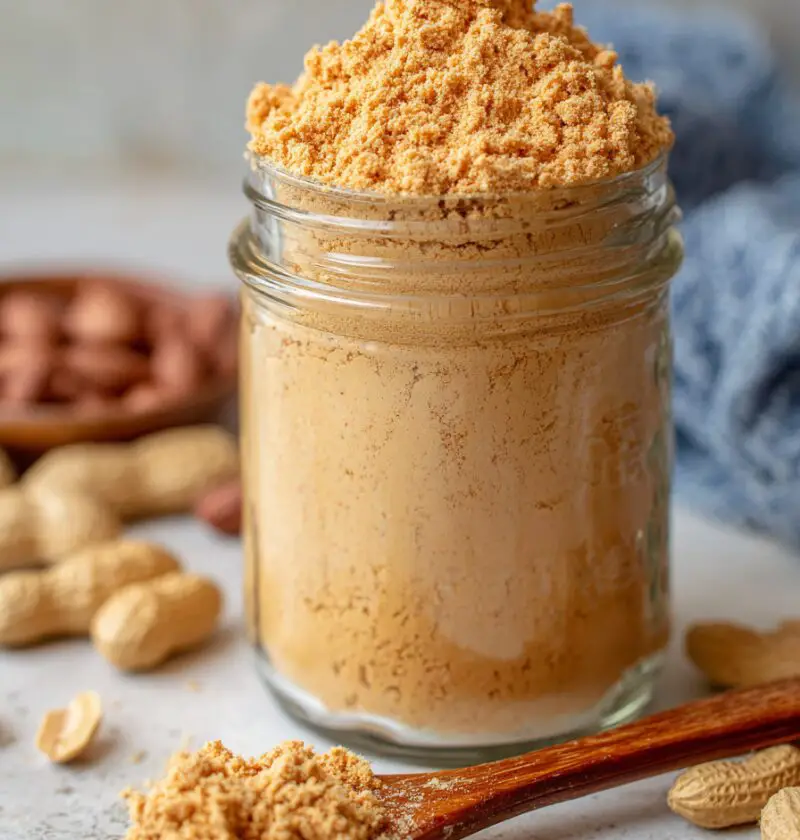
Peanut butter powder (sometimes called peanut butter baking powder or peanut butter smoothie powder) is basically peanuts that have had most of the oil pressed out, then finely ground. You can whisk it into yogurt, toss it into protein shakes, or stir in a little water for a quick powdered peanut butter spread.
Store‑bought brands like PB2 or PBfit are handy, but making your own homemade peanut butter powder gives you full control over the sweetness, salt, and even the protein boost. Plus, it’s surprisingly fun—like kitchen science, but you get a snack at the end.
I like to keep a jar on my counter for quick weekday breakfasts. It’s wonderful stirred into warm oatmeal on a chilly fall morning, and it gives smoothies that nostalgic peanut butter flavor without turning them into a full‑on calorie bomb. If you meal prep or track macros, this low fat peanut butter powder is especially handy.
Why You’ll Love This Peanut Butter Powder Recipe
- Lower in fat, full of flavor – You keep that roasted peanut taste with far less oil than regular peanut butter.
- Budget‑friendly – Bulk peanuts + your blender or food processor = cheaper than most store‑bought brands.
- Clean, simple ingredients – Just peanuts and a couple optional add‑ins; you control the salt and sweetness.
- Perfect for smoothies and shakes – This peanut butter smoothie powder blends silky smooth—no clumps, no greasy streaks.
- Great for baking – Use it as peanut butter baking powder to flavor muffins, pancakes, waffles, and cookies without weighing the batter down.
- High‑protein snack helper – Stir it into Greek yogurt, oatmeal, or cottage cheese for an easy protein peanut butter powder boost.
- Shelf‑stable and portable – Light, dry, and easy to pack; it’s wonderful for travel, dorm rooms, or the office.
- Customizable – Make it sugar‑free, lightly sweet, extra salty, or even spiced—this DIY peanut butter mix is your playground.
- Naturally gluten‑free – Simple ingredients that fit many dietary needs.
Ingredients
For a basic, healthy peanut butter powder, you’ll need:
- 2 cups dry roasted peanuts, unsalted
- Look for peanuts labeled dry roasted with no added oil. Unsalted lets you control the final flavor. (Planters, Target Good & Gather, Aldi, or store brands all work.)
- 1–2 tablespoons coconut sugar or light brown sugar (optional)
- Adds a gentle sweetness; use less for savory uses, more if you mostly want it for spreads and snacks.
- ½–1 teaspoon fine sea salt (to taste)
- Fine salt blends more evenly than coarse. Start with less; you can always add more after tasting.
- 2–3 tablespoons unflavored or vanilla protein powder (optional but great for protein peanut butter powder)
- Whey, pea, or a plant‑based blend all work—this bumps up the protein and helps with a smoother, less sticky texture.
Ingredient tips:
- Peanuts: Make sure they’re completely dry and cool—no oil‑roasted or honey‑roasted here if you want truly low fat peanut butter powder.
- Sweetener: You can skip the sugar and keep it 100% savory, or swap in powdered monk fruit, allulose, or a pinch of stevia if you’re watching added sugar.
- Protein powder: If you’re mainly using this as peanut butter smoothie powder, a little vanilla protein powder is wonderful. Just note that strongly flavored powders (chocolate, salted caramel) will change the taste.

Step‑by‑Step Directions (It’s Easier Than It Sounds)
-
Prep your equipment
Set up a high‑speed blender, spice grinder, or food processor. A high‑speed blender (like a Vitamix or Ninja) gives the finest, most even powder, but a good food processor can work—you just may need to process a bit longer and scrape the sides more often. Make sure the container is bone dry. -
Pulse the peanuts in small batches
Add about 1 cup of dry roasted peanuts to the blender. Don’t fill it too high, or the peanuts will turn into paste faster than you can say “smooth operator.” Pulse in short bursts, 5–10 seconds at a time. Stop to scrape down the sides as needed. -
Watch for the “sticky sand” stage
As you pulse, the peanuts will go from chunks → coarse crumbs → a slightly sticky, damp sand texture. This is where you have to pay attention. If you keep going too long without removing oil, you’ll end up with peanut butter instead of peanut butter powder. -
Remove excess oil
Now for the slightly unusual but very important part that makes this a true low fat peanut butter powder:- Pour the ground peanuts into a fine‑mesh sieve lined with cheesecloth, a clean flour sack towel, or paper towels.
- Fold the cloth over the peanut mixture and press firmly with your hands or the back of a measuring cup to squeeze out as much oil as you can.
- You’ll see oil start to stain the cloth—this is good! That’s fat leaving your future peanut butter powder.
Let it sit for 5–10 minutes so more oil can drip out.
-
Repeat grinding if needed
Transfer the pressed peanut solids back into the dry blender or food processor. Pulse again until you reach a finer, loose mixture. It may still look a little clumpy at this stage; that’s okay, we’ll fix that. -
Add salt, sweetener, and protein powder
Sprinkle in the sea salt, your choice of sweetener, and protein powder (if using). Blend or process again in short bursts until everything looks uniform and very fine. If your machine has a “grind” or “pulse” setting, that’s your friend here. -
Check texture and adjust
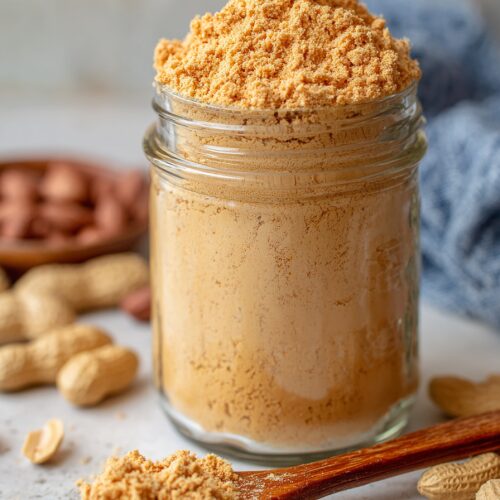
Turn off the machine, let the powder settle, then carefully open the lid. The texture should look like fine flour, not wet or clumpy. If it feels damp, spread it out on a parchment‑lined baking sheet and let it air dry 30–60 minutes at room temperature. Stir once or twice to help it dry evenly. -
Final grind (optional but recommended)
For super smooth homemade peanut butter powder, give it one last quick blend or run it through a clean spice grinder in small batches. This step helps it dissolve better in smoothies and gives a nice, even texture when you mix it with water for a powdered peanut butter spread. -
Cool completely and store
Make sure the powder is completely cool and dry—no warmth, no steam. Then transfer to an airtight jar or container. Label with the date (future you will thank present you), and store it in a cool, dry cupboard.
Servings & Timing
- Yield: About 1½–2 cups peanut butter powder (varies slightly based on how much oil you press out)
- Prep Time: 20 minutes
- Pressing / Rest Time: 10–20 minutes
- Total Time: 30–40 minutes
For me, it’s an easy Sunday prep project—I make a batch while I’m cleaning up breakfast and it’s ready before the lunch dishes pile up.
Fun Variations on Homemade Peanut Butter Powder
Once you’ve nailed the basic Peanut Butter Powder Recipe, you can start playing:
- Chocolate Peanut Butter Powder – Add 2–3 tablespoons unsweetened cocoa powder and a bit more sweetener for a healthier “chocolate PB” mix that’s amazing in yogurt and shakes.
- Cinnamon Maple Peanut Butter Mix – Stir in 1 teaspoon ground cinnamon and use maple sugar or a touch of maple syrup powder for a cozy, fall‑inspired flavor.
- Spicy Thai‑Style Peanut Powder – Skip the sweetener and add ½ teaspoon garlic powder, ½ teaspoon ground ginger, and a pinch of cayenne; use it to season noodles, stir‑fries, or chicken.
- Vanilla Protein Peanut Butter Powder – Use vanilla protein powder plus an extra ¼ teaspoon vanilla powder for a creamy, dessert‑like flavor that’s great in smoothies.
- Salted Caramel Peanut Powder – Add a tablespoon of coconut sugar, a pinch of flaky sea salt, and a scoop of caramel‑flavored protein powder if you like things a little indulgent.
- Kid‑Friendly PB&J Powder – Mix in a tablespoon of powdered freeze‑dried strawberries or raspberries for a fun “PB&J in a jar” flavor kids love in milk or oatmeal.
How to Store & Use (and Whether It Needs Reheating)
-
Storage:
- Store your peanut butter powder in an airtight container or jar in a cool, dry place—like a pantry or cupboard—away from direct sunlight.
- Properly dried, it should keep well for 2–3 months at room temperature.
-
Refrigerating or Freezing:
- You don’t have to refrigerate it, but if your kitchen runs warm or humid, the fridge can help extend freshness up to 4–5 months.
- For long‑term storage, you can freeze it in a sealed zip‑top bag for up to 6 months; just let it come back to room temperature before using so it doesn’t clump from condensation.
-
“Reheating” / Using:
- There’s nothing to reheat—it’s ready right out of the jar.
- To make a quick spread, mix 2 tablespoons peanut butter powder with 1–2 tablespoons water, adding water gradually until you reach your favorite consistency.
- For smoothies, start with 1–3 tablespoons per serving, depending on how strong you like the peanut flavor.
-
Make‑ahead tip:
- I like to portion small amounts (2–3 tablespoons) into mini jars or snack bags so my husband and I can grab-and-go for the gym, office, or travel days.
Notes from My Kitchen (What I Learned Testing This Recipe)
- Grind in stages: If you try to do everything in one long blend, the peanuts can jump straight to “peanut butter” before you have a chance to remove the oil. Short pulses help a lot.
- Don’t skip the pressing step: This is what really turns regular ground peanuts into a true low fat peanut butter powder. Yes, it’s a tiny bit fussy. Yes, it’s worth it.
- Taste before bottling: Everyone’s salt and sweetness preferences are different. Take a tiny pinch, taste it dry, then also taste it mixed with a bit of water—you experience flavor differently once it’s hydrated.
- Watch your equipment: Grinding nuts can be hard on weaker motors. If your blender gets hot, stop and let it rest for a few minutes. No recipe is worth burning out a good appliance.
- Protein powder changes the feel: Adding protein powder makes the mix more “powdery” and less sticky, which is great for smoothies. But it can slightly thicken spreads, so you may want a bit more water when mixing it into a paste.
- Don’t panic if it clumps: If your kitchen is humid and your peanut butter powder clumps a little, just break it up with a fork or a quick pulse in the blender again before using.
FAQs About Homemade Peanut Butter Powder
1. How do I turn this peanut butter powder into a spread?
Whisk 2 tablespoons of peanut butter powder with 1–2 tablespoons of water, adding water a little at a time until it’s as thick or thin as you like—thicker for toast, thinner for drizzling over oatmeal or pancakes.
2. Is this really lower in fat than regular peanut butter?
Yes—by pressing out a good portion of the natural peanut oil, this homemade peanut butter powder ends up significantly lower in fat and calories per tablespoon than traditional peanut butter, especially if you don’t add extra oils.
3. Can I use salted or honey‑roasted peanuts instead?
You can, but the peanut butter powder will be sweeter, higher in sugar, and not quite as “low fat” depending on how they were roasted; if you’re aiming for a healthy peanut butter powder, stick with plain, dry roasted peanuts.
4. My powder turned into paste—what happened?
That usually means it was processed too long or with too much in the blender at once. Try smaller batches, shorter pulses, and remember to press out the oil in the middle of the process.
5. How much peanut butter powder equals regular peanut butter in recipes?
As a rough guide, 2 tablespoons peanut butter powder + 1–1½ tablespoons water is close to 2 tablespoons of regular peanut butter in flavor, though it’ll be a bit lighter and less rich.
6. Can I bake with this like regular peanut butter?
You can use it for flavor in baking—whisk it into dry ingredients for pancakes, muffins, or cookies—but it doesn’t replace the fat and structure of regular peanut butter, so follow a recipe developed for peanut butter powder or keep some real peanut butter in the mix.
7. Is this good for smoothies and protein shakes?
Absolutely—that’s one of my favorite uses. Add 1–3 tablespoons to your blender with frozen banana, milk (or a non‑dairy milk), and a scoop of protein powder for a creamy, peanut‑butter‑banana shake that tastes like dessert.
8. How do I know if my peanut butter powder has gone bad?
If it smells “off,” musty, or like old oil, or if you see any signs of mold or damp clumps that don’t break up easily, it’s time to toss it and make a fresh batch.
Conclusion: A Lighter Way to Love Peanut Butter
This Peanut Butter Powder Recipe gives you all the cozy, nostalgic taste of peanut butter with a lighter, more flexible twist. Whether you stir it into smoothies, whisk it into oatmeal, or turn it into a quick powdered peanut butter spread, it’s a handy little jar to keep around.
Give it a try, then come back and let me know how you’re using it—did you go the chocolate route, the spicy route, or keep it classic? And if you enjoy this, you might also like experimenting with homemade almond powder or healthy snack recipes that make weekday eating feel just a little easier and a lot more delicious.
Homemade Peanut Butter Powder
Ingredients
- 2 cups dry roasted peanuts unsalted, no added oil
- 1 tablespoon coconut sugar or light brown sugar up to 2 tablespoons, to taste; optional
- 1/2 teaspoon fine sea salt up to 1 teaspoon, to taste
- 2 tablespoons unflavored or vanilla protein powder up to 3 tablespoons; optional
- cheesecloth or clean thin kitchen towel for pressing out oil
Instructions
- Set up a high-speed blender, spice grinder, or food processor. Make sure the container and blades are completely dry. Have a fine-mesh sieve and cheesecloth or a clean thin kitchen towel ready for pressing out oil.
- Add about 1 cup of dry roasted peanuts to the blender or food processor. Pulse in short bursts of 5–10 seconds, scraping down the sides as needed. Do not overfill the container; work in 1-cup batches so the peanuts don’t quickly turn into peanut butter.2 cups dry roasted peanuts
- Continue pulsing until the peanuts go from coarse crumbs to a slightly sticky, damp sand-like texture. Stop processing once they reach this stage to avoid turning them into a paste.2 cups dry roasted peanuts
- Transfer the ground peanuts to a fine-mesh sieve lined with cheesecloth or a clean kitchen towel. Fold the cloth over the peanut mixture and press firmly with your hands or the back of a measuring cup to squeeze out as much oil as possible. Let the mixture sit in the sieve for 5–10 minutes so additional oil can drip out.2 cups dry roasted peanuts, cheesecloth or clean thin kitchen towel
- Return the pressed peanut solids to the dry blender or food processor. Pulse again in short bursts until the mixture is finer and drier-looking. It may still appear slightly clumpy at this point.2 cups dry roasted peanuts
- Add the fine sea salt, coconut sugar or light brown sugar (if using), and protein powder (if using) to the blender. Pulse or blend in short bursts until everything is very finely ground and evenly combined.1 tablespoon coconut sugar or light brown sugar, 1/2 teaspoon fine sea salt, 2 tablespoons unflavored or vanilla protein powder
- Turn off the machine and let the powder settle before opening the lid. The mixture should resemble a fine, loose flour. If it still feels damp or clumpy, spread it out on a parchment-lined baking sheet and let it air-dry at room temperature for 30–60 minutes, stirring once or twice, until completely dry.
- For an ultra-fine powder, return the dried mixture to the blender or pulse in a clean spice grinder in small batches until very smooth. This helps it dissolve better in liquids and mix smoothly into spreads.
- Make sure the peanut butter powder is completely cool and dry. Transfer it to an airtight jar or container, label with the date, and store in a cool, dry cupboard away from direct sunlight.
- To make a quick peanut butter-style spread, whisk 2 tablespoons of peanut butter powder with 1–2 tablespoons of water, adding the water gradually until you reach your desired consistency.
- For smoothies or shakes, add 1–3 tablespoons of peanut butter powder per serving, adjusting to taste for a stronger or milder peanut flavor.
Notes
Timing: About 20 minutes active prep plus 10–20 minutes resting/pressing and optional air-drying.
Storage: Store in an airtight container in a cool, dry pantry for 2–3 months. For warmer or more humid kitchens, refrigerate for up to 4–5 months, or freeze for up to 6 months and let come to room temperature before using.
Tips: Grind in short pulses and in small batches to avoid turning the peanuts into butter. The pressing step is essential for lowering the fat content. Taste and adjust salt and sweetness before bottling, and let your blender rest if it gets hot.
Substitutions: Sweetener can be omitted or replaced with powdered low- or no-calorie sweeteners such as monk fruit or allulose. Any neutral or vanilla protein powder works, but flavored powders will change the taste.
Baking: Use this powder to add peanut flavor to batters and doughs by whisking it into the dry ingredients; it does not directly replace the fat or structure of regular peanut butter in recipes.