Napa Cabbage Recipe (My Go-To Weeknight Wonder)
This simple, cozy Napa Cabbage Recipe is a quick stir-fry with garlic, soy sauce, and a silky, savory sauce—light enough for a healthy lunch, hearty enough to serve with rice or noodles for dinner.
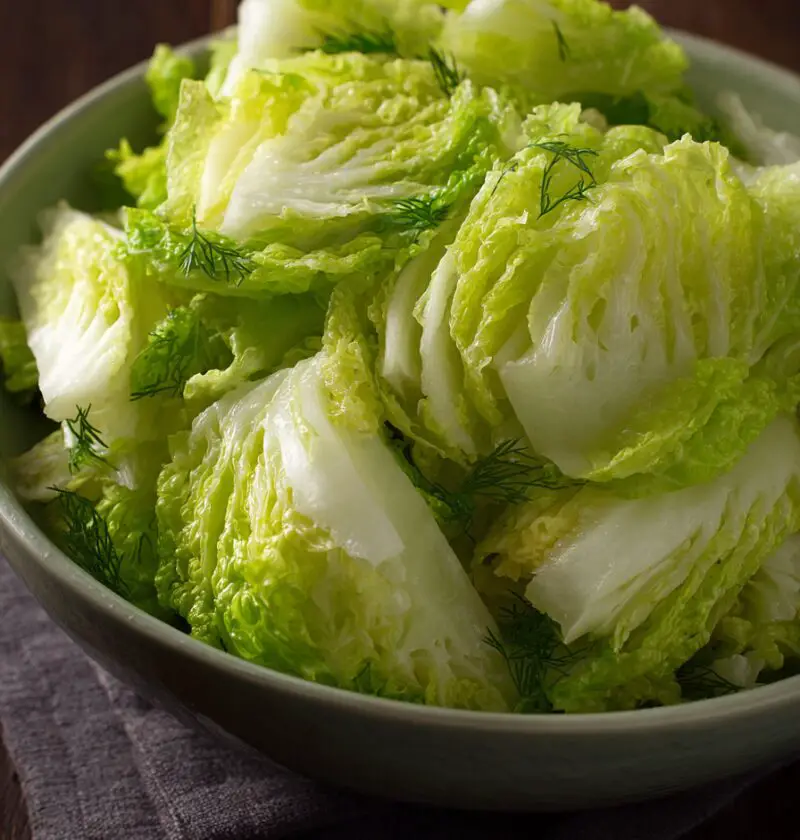
I’ve been cooking with Napa cabbage for years, and it still feels a little bit like a magic trick. You start with this big, crinkly head of Korean napa cabbage (also called Chinese cabbage), and within 15 minutes you’ve got a steaming pan of tender, flavorful veggies that taste like they came out of your favorite Asian restaurant. This version is a garlicky, slightly spicy Napa cabbage stir fry that can be a vegetarian cabbage recipe on its own, or a flexible base for adding pork, tofu, or noodles.
It’s one of those back-pocket recipes I lean on when I’ve got half a head of cabbage in the fridge, a few scallions, and not much energy. It’s healthy, budget-friendly, and honestly, a little addictive.
Why You’ll Love This Napa Cabbage Recipe
- Ready in 20 minutes. Perfect for those “what’s for dinner?” nights when you’re already hungry.
- Light but satisfying. Tender sauteed Napa cabbage in a savory sauce feels comforting without weighing you down.
- Super flexible. Turn it into a napa cabbage noodle dish, a napa cabbage side dish, or bulk it up with pork, tofu, or eggs.
- Uses simple pantry staples. Soy sauce, garlic, a bit of sesame oil—nothing fancy or hard to find.
- Healthy cabbage recipe. High in fiber and vitamins, low in calories, and easy to make vegetarian or even vegan.
- Great entry point to Asian cabbage recipes. If you’re new to Chinese cabbage recipes or Korean Napa cabbage dishes, this is an easy place to start.
- Works year-round. Light enough for summer, but warm and cozy enough for chilly evenings.
- Meal-prep friendly. Keeps well in the fridge, reheats nicely, and pairs with rice, quinoa, or leftover protein.
Ingredients
For this Napa Cabbage Recipe (stir-fry style), you’ll need:
- 1 medium head Napa cabbage (about 2–2.5 pounds), trimmed and sliced into 1-inch strips
- Look for a firm head with pale green, crisp leaves and no brown spots.
- 2 tablespoons neutral oil (such as avocado oil, canola, or grapeseed)
- 4 cloves garlic, minced
- Fresh garlic makes a big difference; jarred will work in a pinch.
- 1-inch piece fresh ginger, peeled and minced (about 1 tablespoon)
- 3 scallions (green onions), sliced – white and green parts separated
- 2 tablespoons low-sodium soy sauce
- Or use tamari for gluten-free.
- 1 tablespoon rice vinegar
- 1 tablespoon oyster sauce
- For a vegetarian cabbage recipe, use vegetarian oyster sauce (mushroom-based) or double the soy sauce and add a pinch of sugar.
- 1 teaspoon toasted sesame oil
- 1/4–1/2 teaspoon red pepper flakes or Korean gochugaru (optional, for a spicy Napa cabbage version)
- 1/4 cup water or low-sodium vegetable broth
- 1 teaspoon cornstarch (for a slight glaze)
- 1 teaspoon sugar or honey (balances the savory flavors)
- Freshly ground black pepper, to taste
- Sesame seeds, for garnish (optional)
Optional add-ins (choose one or mix and match):
- 8 oz extra-firm tofu, cubed – for a Napa cabbage with tofu main dish
- 6–8 oz thinly sliced pork or ground pork – for Napa cabbage with pork
- 2 cups cooked noodles (rice noodles, udon, or ramen) – for a Napa cabbage noodle dish
- 1 small carrot, julienned – extra color and crunch
Tip on prepping cabbage:
Slice off the bottom root, separate the leaves, and rinse them well—Napa cabbage can hide a bit of dirt near the base. Dry it gently in a salad spinner or with a clean kitchen towel so it stir-fries instead of steaming.
Directions
-
Prep the cabbage and sauce.
In a small bowl, whisk together the soy sauce, rice vinegar, oyster sauce, sesame oil, red pepper flakes (if using), water or broth, cornstarch, and sugar or honey. Set aside. Have all your ingredients chopped and ready; this Napa cabbage stir fry moves quickly once the pan is hot. -
Heat the pan.
Set a large skillet or wok over medium-high heat and add the neutral oil. Let it warm until it shimmers—if you hold your hand a few inches above the pan, you should feel the heat. A hot pan helps keep the cabbage crisp-tender instead of soggy. -
Cook aromatics.
Add the white parts of the scallions, the minced garlic, and ginger. Stir constantly for 30–45 seconds, just until fragrant. Don’t walk away here; garlic can go from golden to bitter very quickly. -
Add protein, if using.
- For Napa cabbage with pork: Add the sliced or ground pork; stir-fry until it’s browned and cooked through, 3–5 minutes.
- For Napa cabbage with tofu: Add the cubed tofu and sear 2–3 minutes per side until lightly golden.
Remove cooked protein to a plate and set aside (this keeps it from overcooking) but leave the flavorful bits and a little oil in the pan.
-
Stir-fry the cabbage.
Add the sliced Napa cabbage (and carrot, if using) to the hot pan. It will look like way too much, but it cooks down quickly. Toss for 3–4 minutes, stirring often, until the thick white ribs are just starting to turn tender and the green parts are wilting. You want some bite left—think al dente, like pasta. -
Add the sauce.
Give the sauce a quick stir (cornstarch likes to sink), then pour it over the cabbage. Toss well to coat every piece. Cook for 1–2 minutes more, until the sauce thickens slightly and clings to the cabbage. If it looks too thick, add a splash more water or broth. -
Finish and season.
Stir in the cooked pork or tofu, if using, along with the green parts of the scallions. Taste and adjust: add a bit more soy sauce for saltiness, a tiny pinch of sugar for balance, or an extra sprinkle of red pepper flakes for heat. Finish with a grind of black pepper. -
Serve.
Transfer your Napa cabbage recipe to a serving bowl. Sprinkle with sesame seeds if you like. Serve hot with steamed rice, noodles, or as a side dish alongside grilled chicken, fish, or baked tofu.
Servings & Timing
- Yield: Serves 3–4 as a main, 4–6 as a side
- Prep Time: 10 minutes
- Cook Time: 10 minutes
- Total Time: About 20 minutes
If you’re adding protein or noodles, plan for just a few extra minutes, but it’s still a quick Napa cabbage recipe that fits comfortably into a busy weeknight.
Fun Variations to Keep Things Interesting
Once you’ve made this version, you can spin it into all sorts of Asian cabbage recipes:
- Sesame Garlic Napa Cabbage: Skip the oyster sauce and double the sesame oil; add extra garlic and a sprinkle of sesame seeds for a deeply nutty twist.
- Spicy Napa Cabbage Stir Fry: Use gochugaru (Korean chili flakes) or a spoonful of gochujang in the sauce for a flavor reminiscent of Korean Napa cabbage dishes.
- Napa Cabbage with Noodles: Toss in cooked rice noodles or ramen at the end and add a splash more soy sauce and water for a saucy napa cabbage noodle dish.
- Napa Cabbage with Pork & Mushrooms: Stir-fry thinly sliced pork and a handful of sliced shiitake or cremini mushrooms before adding the cabbage.
- Ginger Miso Napa Cabbage: Stir 1 tablespoon white miso into the sauce (reduce soy sauce slightly) for a savory, almost creamy depth.
- Garlicky Napa Cabbage with Egg: After the cabbage is tender, push it to one side of the pan, scramble 2 eggs in the empty space, then mix it all together.
If you’re in a soup mood, you can even adapt this into a simple Napa cabbage soup: skip the cornstarch and add extra broth after stir-frying, simmering just until the cabbage is tender.
Storage & Reheating Tips
This recipe keeps surprisingly well, which makes it handy for lunch the next day.
-
Fridge:
Store cooled Napa cabbage in an airtight container for up to 3–4 days. -
Freezer:
I usually don’t recommend freezing this—it’s technically possible, but the texture of Napa cabbage can get mushy after thawing. If you must, freeze up to 2 months and expect a softer bite. -
Reheating:
- Stovetop: Warm in a skillet over medium heat with a splash of water or broth until heated through. This keeps the cabbage from drying out.
- Microwave: Heat in 30–45 second bursts, stirring in between, just until hot.
-
Make-ahead:
You can chop the cabbage and whisk the sauce up to 2 days in advance. Store them separately in the fridge. This makes dinner feel “almost done” before you even turn on the stove.
Notes from My Kitchen (What I Learned Testing This)
-
Don’t overcrowd the pan too much.
A big wok is ideal. If your pan is smaller, cook the Napa cabbage in two batches so it stir-fries instead of steaming into oblivion. -
Salt level matters.
Different soy sauce brands vary. I use low-sodium Kikkoman or Trader Joe’s. If you’re using regular soy sauce, start with a bit less and taste before adding more. -
Texture is everything.
The difference between “wow” and “meh” is about 1–2 minutes of cooking time. Stop when the white ribs are just tender but still have a pleasant crunch. -
Flavors deepen as it sits.
Leftovers taste even better the next day—this is lovely tucked into a bowl with reheated rice and a fried egg on top. -
Turn it into a napa cabbage salad.
Believe it or not, this same flavor profile works raw: toss thinly sliced Napa cabbage with scallions, shredded carrots, and a dressing of soy sauce, rice vinegar, sesame oil, honey, and grated ginger. Think crunchy Napa cabbage salad with a similar vibe. -
For a napa cabbage kimchi shortcut.
If you’re kimchi-curious but not ready for full fermentation, you can toss raw Napa cabbage in a quick kimchi-style dressing (gochugaru, garlic, ginger, fish sauce or soy sauce, sugar, vinegar) and let it sit for 20–30 minutes. It’s not traditional kimchi, but it scratches the itch.
FAQs
1. What’s the difference between Napa cabbage and regular green cabbage?
Napa cabbage (also called Chinese cabbage) has crinkly, tender leaves and a mild, slightly sweet flavor, while regular green cabbage is denser and tougher. Napa cooks faster and is perfect for stir-fries, salads, and soups.
2. Can I make this Napa Cabbage Recipe vegan?
Yes. Use neutral oil, skip any animal-based oyster sauce, and choose a mushroom-based oyster sauce or extra soy sauce with a pinch of sugar. Pair with tofu or leave it as a veggie side.
3. My cabbage turned soggy—what went wrong?
Most likely, the pan wasn’t hot enough or it was too crowded. Make sure the pan is sizzling before adding cabbage, and cook in batches if needed so it stir-fries instead of steaming.
4. Can I use this recipe for other cabbage types?
You can, but you’ll need to adjust cooking time. Green or savoy cabbage will take a bit longer to soften; red cabbage will also work but changes the color and flavor slightly.
5. How can I make this recipe spicier?
Add extra red pepper flakes, a spoonful of gochujang, or a drizzle of chili crisp at the end. You can also stir in a little sriracha or chili-garlic sauce with the soy mixture.
6. Is this a good recipe for meal prep?
Yes. It reheats well, especially when paired with rice or quinoa. You can also keep the sauce separate and cook fresh cabbage midweek, which makes dinner feel very quick.
7. Can I turn this into a Napa cabbage soup?
Absolutely. Skip the cornstarch, use at least 3–4 cups broth, and simmer the stir-fried cabbage until just tender. Add tofu, pork, or noodles for a full meal.
8. What should I serve with this Napa cabbage side dish?
It’s wonderful with grilled salmon, roasted chicken, pan-fried tofu, dumplings, or a simple bowl of steamed rice and a fried egg.
Conclusion
This Napa Cabbage Recipe is one of those humble, everyday dishes that quietly earns a permanent spot in your rotation—healthy, fast, and endlessly adaptable. Whether you keep it simple as a garlicky Napa cabbage side dish or build it out with noodles, pork, or tofu, it’s a reliable way to turn a big, beautiful head of cabbage into something everyone actually wants to eat.
If you try this, let me know how you served it—spicy, with noodles, as a cozy Napa cabbage soup, or your own twist. And if you loved this, you might enjoy exploring other Asian cabbage recipes or a crisp Napa cabbage salad next.
Napa Cabbage Stir-Fry (My Go-To Weeknight Wonder)
Ingredients
- 1 medium Napa cabbage about 2–2.5 pounds, trimmed and sliced into 1-inch strips
- 2 tablespoons neutral oil such as avocado, canola, or grapeseed oil
- 4 cloves garlic minced
- 1 tablespoon fresh ginger about a 1-inch piece, peeled and minced
- 3 scallions (green onions) sliced, white and green parts separated
- 2 tablespoons low-sodium soy sauce or tamari for gluten-free
- 1 tablespoon rice vinegar
- 1 tablespoon oyster sauce use vegetarian oyster sauce or extra soy sauce with a pinch of sugar to keep it vegetarian
- 1 teaspoon toasted sesame oil
- 1/4-1/2 teaspoon red pepper flakes or Korean gochugaru optional, for heat
- 1/4 cup water or low-sodium vegetable broth
- 1 teaspoon cornstarch
- 1 teaspoon sugar or honey to balance the savory flavors
- freshly ground black pepper to taste
- sesame seeds optional, for garnish
- 8 oz extra-firm tofu optional, cubed, for a protein add-in
- 6-8 oz thinly sliced pork or ground pork optional, for a protein add-in
- 2 cups cooked noodles optional; rice noodles, udon, or ramen
- 1 small carrot optional, julienned
Instructions
- Slice off the bottom root of the Napa cabbage, separate the leaves, rinse well (especially near the base), and dry thoroughly using a salad spinner or clean kitchen towel. Trim and slice into 1-inch strips. In a small bowl, whisk together the soy sauce, rice vinegar, oyster sauce, sesame oil, red pepper flakes or gochugaru (if using), water or broth, cornstarch, and sugar or honey until smooth. Set aside.1 medium Napa cabbage, 2 tablespoons low-sodium soy sauce, 1 tablespoon rice vinegar, 1 tablespoon oyster sauce, 1 teaspoon toasted sesame oil, 1/4-1/2 teaspoon red pepper flakes or Korean gochugaru, 1/4 cup water or low-sodium vegetable broth, 1 teaspoon cornstarch, 1 teaspoon sugar or honey
- Set a large skillet or wok over medium-high heat and add the neutral oil. Heat until the oil shimmers and the pan feels hot when you hold your hand a few inches above it. A hot pan helps keep the cabbage crisp-tender instead of soggy.2 tablespoons neutral oil
- Add the white parts of the scallions, the minced garlic, and ginger to the hot oil. Stir constantly for 30–45 seconds, just until very fragrant and barely golden, being careful not to let the garlic burn.4 cloves garlic, 1 tablespoon fresh ginger, 3 scallions (green onions)
- If using pork or tofu, add it now. For pork: add the thinly sliced or ground pork and stir-fry until browned and cooked through, 3–5 minutes. For tofu: add the cubed tofu and sear 2–3 minutes per side until lightly golden. Transfer cooked protein to a plate and set aside, leaving any browned bits and a little oil in the pan.8 oz extra-firm tofu, 6-8 oz thinly sliced pork or ground pork
- Add the sliced Napa cabbage and the julienned carrot (if using) to the hot pan. It may look like a lot, but it will cook down quickly. Stir-fry for 3–4 minutes, tossing often, until the thick white ribs are just starting to turn tender and the leafy parts are wilting but still slightly crisp.1 medium Napa cabbage, 1 small carrot
- Give the sauce mixture a quick stir to re-distribute the cornstarch, then pour it evenly over the cabbage. Toss well to coat every piece and cook for 1–2 minutes more, until the sauce thickens slightly and clings to the vegetables. If it becomes too thick, add a small splash of water or broth.2 tablespoons low-sodium soy sauce, 1 tablespoon rice vinegar, 1 tablespoon oyster sauce, 1 teaspoon toasted sesame oil, 1/4-1/2 teaspoon red pepper flakes or Korean gochugaru, 1/4 cup water or low-sodium vegetable broth, 1 teaspoon cornstarch, 1 teaspoon sugar or honey
- Return the cooked pork or tofu (if using) to the pan along with the green parts of the scallions. Toss to combine and heat through. Taste and adjust seasoning: add more soy sauce for saltiness, a tiny pinch of sugar for balance, or extra red pepper flakes/gochugaru for more heat. Finish with a few grinds of black pepper.3 scallions (green onions), freshly ground black pepper, 8 oz extra-firm tofu, 6-8 oz thinly sliced pork or ground pork
- Transfer the Napa cabbage stir-fry to a serving bowl or plate. Sprinkle with sesame seeds if desired. Serve hot as a main dish over steamed rice or noodles, or as a side dish alongside grilled chicken, fish, or baked tofu. If adding cooked noodles, toss them in with the cabbage and sauce in the last 1–2 minutes of cooking, adding a splash more soy sauce and water if needed.sesame seeds, 2 cups cooked noodles