Einkorn Bread Recipe
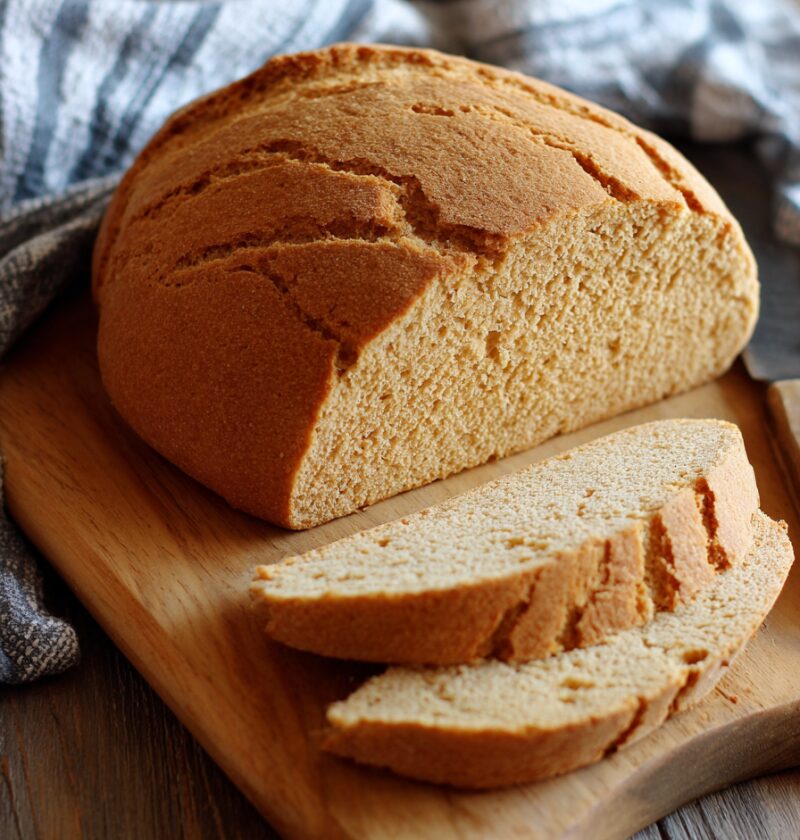
If you’ve been craving a soft, golden loaf that feels both old-fashioned and deeply nourishing, this Einkorn Bread Recipe is about to become your new kitchen ritual—simple ingredients, rich flavor, and that cozy “homemade bread” smell throughout the house.

Einkorn is one of the oldest cultivated grains, and this einkorn bread recipe celebrates that ancient grain in the most comforting way: a tender, sliceable loaf that’s perfect for everyday sandwiches, toast, or just tearing off warm pieces at the table. I bake this healthy einkorn bread recipe several times a month, especially when the weather cools down and I want something grounding yet gentle on my system. It’s a lovely bridge between old-world artisan einkorn bread and the kind of soft einkorn loaf your kids will happily eat in a grilled cheese.
Why You’ll Love This Recipe
Let me explain why this particular einkorn loaf recipe has earned a permanent place in my bread rotation:
- Soft, sliceable crumb – Perfect for einkorn sandwich bread that doesn’t crumble when you spread butter or peanut butter.
- Simple, pantry-friendly ingredients – Just flour, water, yeast, salt, and a touch of honey and oil; nothing fancy or fussy.
- Gentler on many tummies – Einkorn flour bread is often easier to digest than modern wheat for some people (though it’s not gluten-free).
- Everyday-friendly method – Straightforward steps, no complicated folding schedules, and no need for special equipment beyond a bowl and a loaf pan.
- Versatile flavor – Works as a whole grain einkorn bread or a lighter, half-whole-grain version, depending on what flour you keep on hand.
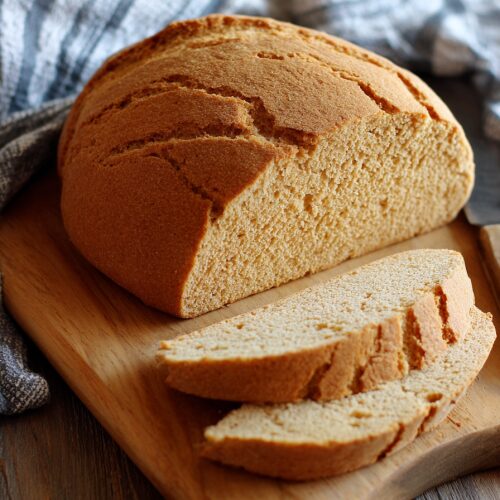
- Beautiful golden color – The natural pigments in einkorn give you a deep, almost sunny crumb that looks incredible on a brunch table.
- Works for beginners – If you’re new to einkorn baking recipes, these instructions are written with you in mind, with lots of cues along the way.
- Freezer-friendly – This homemade einkorn bread freezes very well, so you can bake once and enjoy thick, hearty slices for weeks.
Ingredients
This recipe makes one standard 9×5-inch soft einkorn loaf. I’ll list the base version and note tweaks if you’d like more whole grain.
-
3 ¼ cups (390 g) all-purpose einkorn flour
(I like Jovial organic einkorn flour; you can use 2 ¾ cups all-purpose + ½ cup whole grain einkorn for more flavor.) -
1 teaspoon fine sea salt
(Table salt works too—if using kosher, use a heaping teaspoon.) -
2 ¼ teaspoons (1 packet, 7 g) active dry yeast
(Instant yeast can be used; no need to proof separately, just mix right in with the flour.) -
1 ¼ cups (295 ml) warm water, 105–110°F
(Think “very warm bath water,” not hot. Too hot and you’ll kill the yeast.) -
2 tablespoons (30 g) honey
(Maple syrup or sugar work as well; honey adds a mild floral sweetness that pairs beautifully with ancient grain bread recipes.) -
2 tablespoons (28 g) neutral oil or melted butter
(Avocado, light olive, or grapeseed oil all work; butter adds a richer flavor for a more artisan einkorn bread feel.) -
1 tablespoon (8 g) vital wheat gluten – optional but helpful
(This isn’t required, but einkorn has a weaker gluten structure; a spoonful of vital wheat gluten helps with lift and texture if you want a taller loaf.) -
Extra einkorn flour for dusting
(You’ll want a tablespoon or two for your hands and the counter; einkorn dough is a bit stickier than regular dough.)
A quick note here: einkorn absorbs water more slowly and behaves differently than modern wheat, so resist the urge to keep tossing in more flour. A slightly sticky dough is exactly what we want for a tender crumb.
Directions
-
Mix the wet ingredients
In a medium bowl or large measuring cup, whisk together the warm water, honey, and yeast. Let it sit for about 5–10 minutes until the surface looks foamy and creamy. If it doesn’t foam, your yeast might be expired or the water was too hot or too cool. -
Combine the dry ingredients
In a large mixing bowl, stir together the einkorn flour, salt, and optional vital wheat gluten. I like to use a whisk or a fork to evenly distribute the salt and gluten throughout the flour; it helps the bread rise more evenly. -
Bring the dough together
Make a well in the center of the dry ingredients and pour in the yeast mixture and the oil (or melted butter). Using a sturdy wooden spoon or spatula, stir everything together until you have a shaggy, sticky dough. It should come together in a ball but still cling a bit to the sides of the bowl—this is normal for einkorn yeast bread. -
Gentle “kneading” (einkorn style)
Einkorn doesn’t like long, aggressive kneading the way modern wheat does. Lightly flour your hands and gently fold the dough over itself in the bowl 8–10 times—think of it like giving it a few soft hugs rather than a workout. The dough will feel tacky but should be manageable with lightly floured hands. -
First rise
Shape the dough into a rough ball, keeping it in the same bowl. Cover the bowl with a clean kitchen towel or plastic wrap. Let it rise in a warm, draft-free spot for 45–75 minutes, until it looks puffed and about 50–75% larger. Einkorn often won’t double dramatically like regular bread dough, so go by feel and appearance rather than waiting for an exact “double.” -
Prepare the loaf pan
While the dough rises, lightly grease a 9×5-inch loaf pan with oil or butter. If you want extra insurance against sticking, you can also line the bottom with a strip of parchment paper. -
Shape the loaf
Once the dough has risen, lightly flour your work surface. Turn the dough out gently—don’t punch it down harshly. Pat it into a rough rectangle, about as long as your pan. Fold the long edges toward the center, then roll it up from the short end to form a log. Pinch the seam closed and tuck the ends under. Place the dough seam side down in your prepared pan. -
Second rise
Cover the pan loosely with a towel or lightly greased plastic wrap. Let the dough rise again in a warm spot for 30–45 minutes, or until it crowns about ½ inch above the edge of the pan in the center. Einkorn can spread more than it springs, so don’t worry if it’s a bit more domed in the middle and softer along the edges. -
Preheat the oven
During the second rise, preheat your oven to 375°F (190°C). Give it a good 15–20 minutes so the heat is steady. If you like a slightly thicker, chewier crust for more artisan einkorn bread vibes, place a baking stone or an inverted baking sheet in the oven to preheat as well. -
Bake the bread
Once the loaf has risen, place it on the middle oven rack. Bake for 30–35 minutes, until the top is deep golden brown and the bread sounds hollow when tapped on the bottom. If you have an instant-read thermometer, the internal temperature should be around 200–205°F (93–96°C). -
Cool before slicing (hardest step!)
Let the loaf cool in the pan for about 10 minutes, then loosen the edges with a butter knife and transfer it to a wire rack. Allow it to cool at least 45–60 minutes before slicing. I know the temptation is real, but cutting too soon can make the crumb gummy, especially with einkorn flour bread.
Servings & Timing
- Yield: 1 standard 9×5-inch loaf (about 12–14 slices)
- Prep Time: 20 minutes active time
- Rise Time: 1 ¼ to 2 hours total, depending on room temperature
- Bake Time: 30–35 minutes
- Total Time: About 2 ½ to 3 hours (mostly hands-off)
Variations
Once you’ve made this easy einkorn bread recipe a few times, it becomes a blank canvas for all sorts of soft einkorn loaf experiments:
- Whole Grain Goodness – Use 1 ½ cups whole grain einkorn flour and 1 ¾ cups all-purpose einkorn for a deeper, nuttier flavor and extra fiber.
- Seeded Sandwich Loaf – Fold in ¼ cup sunflower seeds and 2 tablespoons each of sesame and flax seeds for a hearty einkorn sandwich bread.
- Herb & Olive Oil Loaf – Add 1–2 teaspoons dried Italian herbs and use extra-virgin olive oil for a savory artisan einkorn bread, great for soups and stews.
- Honey-Oat Topping – Brush the top with a bit of honey-water and sprinkle rolled oats on before baking for a cozy farmhouse vibe.
- Cinnamon Swirl Breakfast Bread – After the first rise, pat into a rectangle, sprinkle with cinnamon sugar, roll up, and bake for a gently sweet from-scratch einkorn bread.
- Mini Loaves or Rolls – Shape into 8–10 rolls or bake in mini loaf pans; reduce the bake time to 18–22 minutes and check for doneness.
Storage & Reheating
One of the best things about homemade einkorn bread is how well it holds up, if you store it right.
-
Room Temperature:
Store the cooled loaf in a bread box, paper bag, or wrapped in a clean kitchen towel for up to 2 days. If your kitchen is very dry, you can slip it into a plastic bag after the first day to prevent it from drying out too much. -
Refrigerator:
I generally don’t refrigerate bread, as it tends to dry it out faster, but if your home is very warm or humid, you can keep slices in an airtight container in the fridge for up to 5 days. Toasting brings the texture back nicely. -
Freezer:
For longer storage, slice the cooled loaf, stack the slices with a bit of parchment in between (if you like), and freeze in a freezer bag for up to 3 months. Press out extra air before sealing. -
Reheating & Toasting:
Toast frozen slices straight from the freezer—no need to thaw. For a whole loaf, let it thaw at room temperature in the bag, then warm it in a 300°F (150°C) oven for 8–10 minutes if you want that fresh-baked feel again. -
Make-Ahead Tip:
You can prepare the dough through the shaping stage, cover the pan well, and refrigerate overnight. Let it come up to room temperature and rise until puffy (30–60 minutes) before baking. This slow rise deepens the flavor.
Notes
A few personal lessons from many, many loaves of organic einkorn bread:
- Hydration matters: Einkorn absorbs water differently. If your dough looks a bit looser than regular bread dough, that’s usually okay. A slightly sticky dough bakes into a more tender crumb.
- Don’t over-knead: Traditional “10 minutes of kneading” rules don’t apply here. Overworking einkorn can make it tight and less cooperative. Gentle folding is enough.
- Watch the proof, not the clock: Rising times are estimates. Warmer kitchens move faster, cooler ones slower. Look for a puffy, light feel and visible expansion rather than fixating on a timer.
- Flavor improves by day two: Like many ancient grain bread recipes, this one tastes even better the next day. The crumb settles, and the wheat flavor becomes more rounded and mellow.
- Use a sharp bread knife: Because einkorn has a tender, delicate crumb, a serrated knife and a gentle sawing motion give you clean slices for sandwiches and toast.
- Kids and skeptics usually love it: If you’re trying to coax picky eaters toward more whole grains, start with the half-whole-grain version and call it “golden sandwich bread.” It works.
FAQs
Is einkorn bread gluten-free?
No. Einkorn is an ancient wheat, so it does contain gluten. Some people find it easier to digest, but it’s not safe for those with celiac disease.
Can I make this recipe 100% whole grain einkorn?
Yes, you can use all whole grain einkorn flour, but you may need a tablespoon or two extra water, and the loaf will be a bit denser and shorter. Still delicious, just more rustic.
What if my dough doesn’t rise much?
Check that your yeast is fresh and that the water wasn’t too hot or too cold. Also, remember that einkorn dough often rises less dramatically; as long as it looks puffier and feels lighter, it’s usually fine.
Can I use instant yeast instead of active dry?
Yes. Use the same amount, and whisk it directly into the flour instead of proofing it in the warm water. The rest of the recipe stays the same.
Why is my bread crumbly when I slice it?
Most often, it was sliced too warm or the dough was too dry. Next time, keep the dough a bit softer and let the loaf cool fully before cutting.
Can I mix einkorn with regular wheat flour?
You can, but it changes the behavior of the dough a bit. If you’re new to einkorn, I recommend sticking with all einkorn first, then experimenting with blends later.
How can I make this bread vegan?
Use maple syrup or sugar instead of honey and oil instead of butter. Everything else is already plant-based.
Can I use a stand mixer?
Yes. Use the dough hook on low speed just until the dough comes together and looks smooth—about 2–3 minutes. Avoid long mixing times; einkorn doesn’t need them.
Conclusion
This simple, comforting Einkorn Bread Recipe brings together the best of both worlds: the soulful character of an ancient grain and the everyday practicality of a soft, sliceable loaf. It’s the kind of homemade einkorn bread that quietly weaves itself into your weekly rhythm—toast in the morning, sandwiches in the afternoon, a warm piece with soup at night.
If you give this healthy einkorn bread recipe a try, I’d truly love to hear how it goes—what you served it with, whether your family noticed the difference, and any twists you added. Leave a comment with your experience, or explore other whole grain and ancient grain recipes next; once you’ve baked with einkorn, it has a way of becoming a pantry regular.
Einkorn Bread
Ingredients
- 3 1/4 cups all-purpose einkorn flour 390 g; or use 2 3/4 cups all-purpose + 1/2 cup whole grain einkorn for more flavor
- 1 teaspoon fine sea salt or table salt; use a heaping teaspoon if using kosher salt
- 2 1/4 teaspoons active dry yeast 1 packet (7 g); instant yeast can be used and mixed directly into the flour
- 1 1/4 cups warm water 295 ml; 105–110°F, like very warm bath water
- 2 tablespoons honey 30 g; or use maple syrup or sugar
- 2 tablespoons neutral oil or melted butter 28 g; such as avocado, light olive, or grapeseed oil; butter gives richer flavor
- 1 tablespoon vital wheat gluten 8 g; optional but helps with lift and texture
- einkorn flour extra, for dusting hands and work surface
- oil or butter for greasing the loaf pan
- parchment paper optional, to line the bottom of the loaf pan
Instructions
- In a medium bowl or large measuring cup, whisk together the warm water, honey, and active dry yeast. Let the mixture sit for 5–10 minutes, until the surface looks foamy and creamy. If it does not foam, the yeast may be expired or the water temperature may be incorrect.2 1/4 teaspoons active dry yeast, 1 1/4 cups warm water, 2 tablespoons honey
- In a large mixing bowl, stir together the all-purpose einkorn flour, fine sea salt, and optional vital wheat gluten. Use a whisk or fork to distribute the salt and gluten evenly throughout the flour.3 1/4 cups all-purpose einkorn flour, 1 teaspoon fine sea salt, 1 tablespoon vital wheat gluten
- Make a well in the center of the dry ingredients and pour in the yeast mixture along with the oil or melted butter. Using a sturdy wooden spoon or spatula, stir until a shaggy, sticky dough forms. The dough should come together in a ball but still cling slightly to the sides of the bowl.3 1/4 cups all-purpose einkorn flour, 2 1/4 teaspoons active dry yeast, 1 1/4 cups warm water, 2 tablespoons honey, 2 tablespoons neutral oil or melted butter, 1 tablespoon vital wheat gluten
- Lightly flour your hands with a bit of einkorn flour. Still working in the bowl, gently fold the dough over itself 8–10 times. Avoid aggressive kneading; the dough should remain tacky but manageable with lightly floured hands.einkorn flour
- Shape the dough into a rough ball in the bowl. Cover the bowl with a clean kitchen towel or plastic wrap and let it rise in a warm, draft-free spot for 45–75 minutes, until it looks puffed and about 50–75% larger. Einkorn dough may not fully double, so rely on appearance rather than exact volume.
- While the dough is rising, lightly grease a 9×5-inch loaf pan with oil or butter. For extra insurance against sticking, line the bottom with a strip of parchment paper.oil or butter, parchment paper
- After the first rise, lightly flour your work surface. Gently turn the dough out onto the surface without punching it down. Pat it into a rough rectangle about as long as your loaf pan. Fold the long edges toward the center, then roll the dough up from the short end to form a log. Pinch the seam closed and tuck the ends under. Place the dough seam side down in the prepared loaf pan.einkorn flour
- Cover the loaf pan loosely with a kitchen towel or lightly greased plastic wrap. Let the dough rise in a warm spot for 30–45 minutes, or until it crowns about 1/2 inch above the edge of the pan in the center. The dough may dome more in the middle than at the edges.
- During the second rise, preheat your oven to 375°F (190°C). Allow at least 15–20 minutes for the oven to fully preheat. For a slightly thicker, chewier crust, preheat a baking stone or inverted baking sheet on the middle rack.
- Place the risen loaf on the middle oven rack. Bake for 30–35 minutes, until the top is deep golden brown and the loaf sounds hollow when tapped on the bottom. If using an instant-read thermometer, the internal temperature should be 200–205°F (93–96°C).
- Remove the loaf from the oven and let it cool in the pan for about 10 minutes. Loosen the edges with a butter knife, then transfer the bread to a wire rack. Allow it to cool for at least 45–60 minutes before slicing to prevent a gummy crumb.