Cassava Flour Recipe (That Actually Works Every Time!)
If you’ve got a bag of cassava flour in your pantry and you’re wondering what on earth to do with it, this is the cassava flour recipe you’ve been waiting for—simple, flexible, and perfect for everything from quick weeknight flatbread to cozy weekend pizza night.
I’m sharing my go-to Everyday Cassava Flour Flatbread—a base recipe that’s gluten-free, grain-free, dairy-free, and can turn into cassava flour bread, cassava flour tortillas, or even a thin cassava flour pizza crust with just a few tweaks. This cassava flour recipe has carried me through potlucks, picky eaters, and my own “I just want something bready, but my stomach says no” moments.
What Is Cassava Flour And Why I Love Baking With It
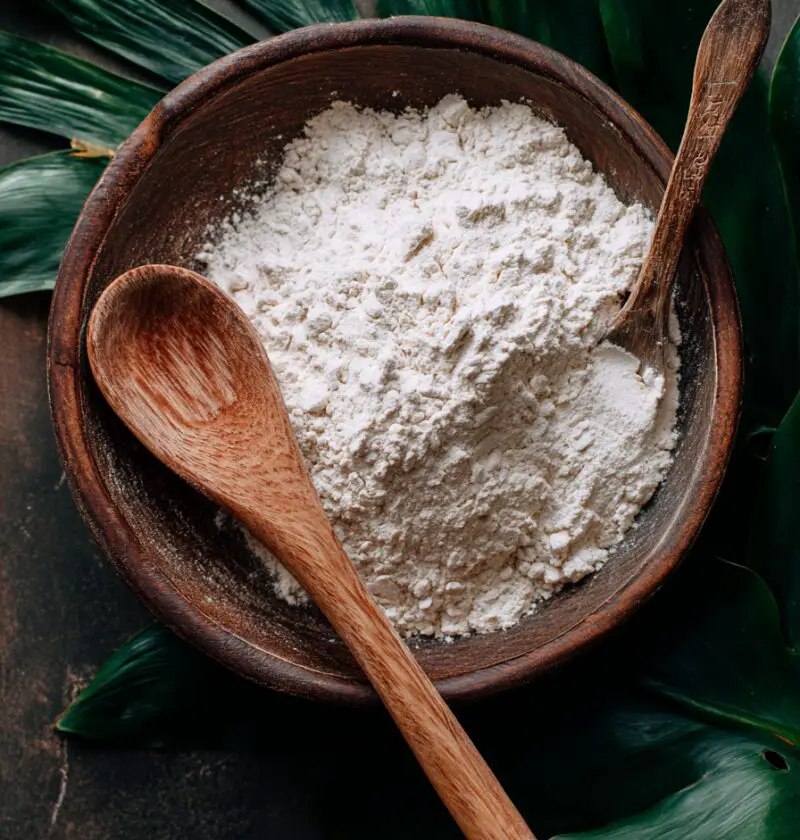
Cassava flour is made from the whole root of the cassava (also called yuca), not just the starch. That means it behaves more like a grain flour than most gluten-free options, but with a light, slightly earthy flavor and a beautifully tender texture. It’s naturally gluten-free and grain-free, which makes it a favorite in paleo cassava baking, and it plays really well in both savory and sweet recipes—everything from cassava flour tortillas and flatbread to cassava flour cookies and even brownies.
I started working with cassava flour in my late 40s when my digestion got a little more… opinionated. I wanted a healthy cassava flour recipe that didn’t taste “healthy,” if you know what I mean. After a lot of testing (and a few truly tragic pancakes), this flatbread-style cassava flour dough became my base for:
- Cassava flour pizza crust
- Cassava flour crackers
- Cassava flour crepes and pancakes
- Cassava flour dessert “bases” (like mini fruit tarts)
So think of this as your master cassava flour recipe—easy enough for a Tuesday, special enough for brunch, and forgiving enough for new gluten-free bakers.
Why You’ll Love This Cassava Flour Recipe
- Naturally gluten-free & grain-free – Perfect if you’re avoiding wheat, doing paleo cassava baking, or just cutting back on refined grains.
- Simple pantry ingredients – Cassava flour, oil, water, salt… that’s your base dough right there.
- Endlessly customizable – Turn it into cassava flour tortillas, flatbread, pizza crust, or even a quick cassava flour dessert base.
- Friendly for many diets – Dairy-free and easily made vegan with simple swaps.
- No fancy equipment – Just a bowl, a spoon, and a skillet or baking sheet.
- Kid- and husband-approved – Mild flavor, soft texture, and great for picky eaters who “don’t like gluten-free.”
- Freezer-friendly – Make a batch, freeze, and you’ve got instant flatbread or cassava flour crackers later.
- Good texture (not gummy!) – When mixed right, you get soft, bendable flatbread instead of chewy rubber.
- Works for breakfast, lunch, and dinner – From cassava flour waffles in the morning to cassava flour pizza crust at night.
- Beginner-friendly – If you’ve ever made pancake batter, you can absolutely make this cassava flour dough.
Ingredients
This recipe makes a flexible cassava flour dough that cooks up as flatbread (or tortillas) and can easily be adapted for pizza crust or simple cassava flour bread rounds.
- 1 ½ cups cassava flour (about 180 g; I like Otto’s Naturals or Bob’s Red Mill for consistent results)
- 1 teaspoon fine sea salt (or kosher salt; avoid large salt flakes for better mixing)
- ½ teaspoon baking powder (aluminum-free if possible; helps with lightness, especially for thicker flatbread)
- 2 tablespoons olive oil or avocado oil (mild-flavored oil gives the best taste; melted coconut oil also works)
- 1 cup warm water (plus 1–3 extra tablespoons as needed; water should feel warm but not hot to the touch)
Optional flavor boosters (highly recommended if you’re using this as cassava flour flatbread or cassava flour pizza crust):
- 1 teaspoon garlic powder
- 1 teaspoon dried Italian herbs (oregano, basil, thyme)
- ¼ teaspoon black pepper
If you want a slightly richer, more “bread-like” version:
- Add 1 tablespoon ground flaxseed (for extra fiber and structure)
- Add 1 teaspoon apple cider vinegar (helps tenderize and adds a tiny bit of tang, especially nice for cassava flour crepes or wraps)
A quick shopping note from my kitchen:
- Cassava brands behave differently. Some absorb more water, so don’t be surprised if you need an extra splash. That’s normal.
- For a healthier cassava flour recipe, stick with avocado oil or extra-virgin olive oil and skip highly refined vegetable oils.
Directions
This is written for flatbread-style cassava flour rounds, but I’ll note small changes for tortillas and pizza crust as we go.
-
Mix the dry ingredients
In a medium bowl, whisk together the cassava flour, salt, baking powder, and any optional spices (garlic, herbs, pepper, flaxseed). Make sure the baking powder is evenly distributed—this prevents uneven puffing. -
Add the oil
Drizzle in the olive or avocado oil. Use a fork or your fingers to rub it into the cassava flour mixture until it looks a bit like slightly damp sand. This step helps with tenderness and keeps the flatbread from drying out. -
Pour in warm water gradually
Add about ¾ cup of the warm water and start stirring with a spoon or spatula. The dough will look shaggy at first. Add more water, a tablespoon at a time, until it comes together into a soft, smooth ball. It should feel like play-dough—pliable but not sticky.- If it’s crumbly, add a tiny bit more water.
- If it’s sticky, sprinkle in 1–2 teaspoons more cassava flour.
-
Rest the dough briefly
Cover the bowl with a towel and let the cassava flour dough rest for 5–10 minutes. This short rest helps the flour hydrate and reduces cracking when you roll or press it. I usually clean up the counter and heat my pan during this time. -
Preheat your cooking surface
For flatbread or tortillas: heat a cast-iron skillet or nonstick pan over medium to medium-high heat.
For pizza crust: preheat the oven to 425°F (220°C) and place a sheet pan or pizza stone inside if you have one—preheating the pan helps crisp the bottom. -
Divide and shape
Turn the dough onto a piece of parchment paper or a lightly floured surface (use a sprinkle of cassava flour). Divide it into 6–8 equal pieces for small flatbreads/tortillas, or 4 pieces for thicker ones.- For flatbread/tortillas: Roll each piece into a ball, then flatten with your palm. Use a rolling pin or another piece of parchment on top and press/roll into a 5–6 inch circle. Don’t stress about perfect circles—rustic is charming.
- For pizza crust: Roll or press the entire dough ball (or half of it) into a 10–12 inch circle or rectangle on parchment, about ¼ inch thick.
-
Cook the flatbread (or tortillas)
Lay one round at a time in the dry, hot skillet. Cook 1–2 minutes, until bubbles form and the bottom has light golden-brown spots. Flip and cook another 1–2 minutes.- For softer, wrap-style cassava flour tortillas, keep them slightly under-browned and stack them in a clean kitchen towel to steam and stay flexible.
- For heartier flatbread, let them brown a bit more for a lightly crisp exterior and soft center.
-
Bake the pizza crust (if using dough that way)
Transfer the rolled cassava flour pizza crust on its parchment to your hot sheet pan or stone. Bake 8–10 minutes, until the edges are set and just starting to turn golden. Remove, add sauce and toppings, then return to the oven for another 8–10 minutes, until cheese (or vegan cheese) is melted and crust is browned around the edges. -
Taste and adjust seasoning
Take one piece, break off a little corner, and taste. Add a sprinkle of salt or a brush of olive oil and garlic if needed. This is your chance to tweak the flavor before serving. -
Serve warm
Cassava flour flatbread is best warm, right off the pan. Serve with soups, use as a wrap, turn it into cassava flour crepes by making thinner rounds, or use your pizza crust as a base for whatever toppings your family loves.
Servings & Timing
-
Yield:
- Flatbread/Tortillas: 6–8 pieces (5–6 inches each)
- Pizza crust: One 10–12 inch crust (or two smaller ones)
-
Prep Time: 10–15 minutes
-
Rest Time: 5–10 minutes
-
Cook Time: 10–15 minutes (depending on batch size)
-
Total Time: About 30–35 minutes from measuring flour to eating warm cassava flatbread
Delicious Variations You Can Try
You know what? This is where cassava flour recipes really get fun.
- Garlic Herb Flatbread: Add 2 teaspoons Italian seasoning and 1–2 cloves minced garlic to the dough; brush with olive oil and a sprinkle of sea salt when hot.
- Cassava Flour Pizza Crust: Make one large round, pre-bake, then top with marinara, cheese (or vegan mozzarella), veggies, and bake again.
- Cinnamon “Dessert” Rounds: Omit herbs/garlic; add 1 tablespoon sugar or maple syrup and 1 teaspoon cinnamon for a simple cassava flour dessert base—top with sliced bananas or berries.
- Cheesy Cassava Flatbread (Not Vegan): Stir ¼ cup finely shredded cheese into the dough for a richer, more biscuit-style cassava flour bread round.
- Vegan Cassava Flour Recipe: Use avocado or olive oil, skip cheese and dairy, and top flatbreads with hummus, avocado, or roasted vegetables.
- Cassava Flour Crackers: Roll thinner, prick with a fork, brush lightly with oil and salt, and bake at 350°F (175°C) until crisp, about 10–15 minutes.
Storage & Reheating
-
Room temperature:
Store cooled cassava flour flatbread in an airtight container or zip-top bag on the counter for up to 24 hours. -
Refrigerator:
Keeps well 3–4 days. Separate layers with parchment to prevent sticking. -
Freezer:
Freeze in a stack with parchment between pieces, wrapped well or in a freezer bag, for up to 2 months. This works for flatbread, tortillas, and even pre-baked pizza crusts. -
Reheating:
- Skillet: Warm over medium heat 30–60 seconds per side.
- Oven: Wrap in foil and heat at 300°F (150°C) for 8–10 minutes.
- Microwave: 15–20 seconds for a quick fix, though the texture is better from a skillet.
-
Make-ahead tip:
You can mix the cassava flour dough, form balls, and keep them covered in the fridge for up to 24 hours. Let the dough sit at room temp for 15–20 minutes before rolling and cooking.
Notes From My Kitchen (What I Learned The Hard Way)
- Cassava flour is thirsty—but not always the same amount. Different brands absorb different amounts of water. Start on the lower end and add more slowly. A soft, smooth dough is your goal.
- Too sticky? Don’t panic. Sprinkle more cassava flour, a teaspoon at a time. It changes fast.
- Too dry or cracking when you roll it? That’s your sign you need just a spoonful or two more warm water.
- Cook on a hot pan. If your flatbread is tough or pale, your skillet might be too cool. A hot pan gives those lovely brown spots and better flavor.
- Salt matters. Gluten-free and grain-free recipes can taste flat if under-salted. Taste one piece and don’t be shy about adding a pinch more on top.
- For cassava flour pancakes or crepes: Use this recipe as a starting point but thin the dough with extra water or a plant-based milk until it’s more of a pourable batter, then cook like you would regular pancakes or crepes.
Sometimes I make a double batch on Sunday afternoon while chatting with my grown kids on speakerphone. Half becomes flatbread for the week, and the rest turns into a quick cassava flour banana bread-style treat (I’ll share that version another time). Once you get the feel of the dough, you’ll find yourself doing the same—turning this one master recipe into many.
FAQs About Cassava Flour Recipes
1. Can I substitute cassava flour 1:1 for wheat flour in any recipe?
Not always. Cassava flour is closer to wheat flour than many gluten-free flours, but it’s more absorbent and can behave differently. For things like cassava flour cake, muffins, or cookies, it’s better to use a tested gluten-free cassava recipe.
2. Is this recipe suitable for paleo or Whole30?
Yes, this cassava flour recipe is grain-free and can be paleo-friendly. For strict Whole30, skip any added sugar and cheese, and stick with compliant oils like olive or avocado oil.
3. Can I make this recipe completely vegan?
Absolutely. It’s already dairy-free. Just avoid cheese or butter toppings, and use plant-based spreads or toppings instead—this makes a great vegan cassava flour recipe base.
4. Why is my cassava flour flatbread gummy?
Gumminess usually comes from too much water, undercooking, or a very starchy brand. Add a bit more cassava flour to the dough, cook over medium-high heat, and make sure each piece gets well cooked with light brown spots.
5. Can I turn this dough into cassava flour biscuits or rolls?
You can get close. Add 1–2 extra tablespoons of oil and ½ teaspoon more baking powder, shape thicker rounds, and bake at 375°F (190°C) until puffed and golden. The texture will be more rustic than wheat biscuits but still tasty.
6. How do I make cassava flour pancakes or waffles with this?
Use this as a base but add enough plant milk (or milk) to turn it into a pourable batter. For cassava flour waffles, a little extra oil and maybe an egg (or flax egg) help give structure and crisp edges.
7. Can I sweeten this for a cassava flour dessert or cake-style treat?
Yes—add 2–4 tablespoons sugar, coconut sugar, or maple syrup, a splash of vanilla, and maybe some mashed banana. Just know this is more of a simple cassava flour dessert flatbread than a full cassava flour cake.
8. Is cassava flour safe if I’m sensitive to dairy or eggs?
Cassava flour itself is naturally dairy-free and egg-free. This recipe is already dairy-free, and you can keep it egg-free. That makes it a good base for people with multiple food sensitivities.
Wrapping It Up (And Passing You The Spatula)
This simple cassava flour recipe has become a quiet little workhorse in my kitchen—gluten-free, grain-free, easy to throw together, and endlessly adaptable for flatbread, tortillas, pizza crust, or even a light cassava flour dessert. Once you make it once or twice, you won’t even need to look at the measurements; your hands will remember.
If you try this recipe, I’d genuinely love to hear how you used it—did it become cassava flour bread, pizza, or something totally unexpected? Share your tweaks and questions in the comments, and if you’re hungry for more, explore other cassava flour recipes on the blog, from cozy banana bread to crisp little cassava flour cookies.
Everyday Cassava Flour Flatbread (Master Dough for Flatbread, Tortillas & Pizza Crust)
Ingredients
- 1 1/2 cups cassava flour about 180 g; brands vary (e.g., Otto’s Naturals, Bob’s Red Mill)
- 1 teaspoon fine sea salt or kosher salt; avoid large flaky salt
- 1/2 teaspoon baking powder aluminum-free if possible
- 2 tablespoons olive oil or avocado oil mild-flavored; melted coconut oil also works
- 1 cup warm water plus 1–3 tablespoons more as needed; warm but not hot
- 1 teaspoon garlic powder optional flavor booster
- 1 teaspoon dried Italian herbs optional; such as oregano, basil, thyme
- 1/4 teaspoon black pepper optional
- 1 tablespoon ground flaxseed optional; for extra fiber and structure
- 1 teaspoon apple cider vinegar optional; for a slightly tangy, more bread-like result
Instructions
- In a medium bowl, whisk together the cassava flour, fine sea salt, baking powder, and any optional dry add-ins (garlic powder, dried Italian herbs, black pepper, ground flaxseed). Make sure the baking powder is evenly distributed.1 1/2 cups cassava flour, 1 teaspoon fine sea salt, 1/2 teaspoon baking powder, 1 teaspoon garlic powder, 1 teaspoon dried Italian herbs, 1/4 teaspoon black pepper, 1 tablespoon ground flaxseed
- Drizzle in the olive or avocado oil. Use a fork or your fingers to rub the oil into the cassava flour mixture until it resembles slightly damp sand.2 tablespoons olive oil or avocado oil
- Pour in about 3/4 cup of the warm water (and apple cider vinegar if using). Stir with a spoon or spatula; the dough will look shaggy at first. Add more warm water 1 tablespoon at a time until the dough comes together into a soft, smooth ball. It should feel like play-dough—pliable but not sticky. If crumbly, add a bit more water; if sticky, sprinkle in 1–2 teaspoons more cassava flour.1 cup warm water, 1 teaspoon apple cider vinegar
- Cover the bowl with a towel and let the dough rest for 5–10 minutes to fully hydrate and reduce cracking when you roll or press it.
- For flatbread or tortillas, heat a cast-iron or nonstick skillet over medium to medium-high heat. For pizza crust, preheat the oven to 425°F (220°C) and place a sheet pan or pizza stone inside to heat.
- Turn the dough out onto parchment paper or a lightly floured surface (use a light dusting of cassava flour). For flatbread or tortillas, divide the dough into 6–8 equal pieces for smaller rounds or 4 pieces for thicker ones. Roll each piece into a ball, flatten with your palm, then roll or press into a 5–6 inch circle. For pizza crust, roll or press all (or half) of the dough into a 10–12 inch circle or rectangle on parchment, about 1/4 inch thick.
- Working one at a time, place a dough round into the hot dry skillet. Cook 1–2 minutes, until bubbles form and the underside has light golden-brown spots. Flip and cook another 1–2 minutes. For softer, wrap-style tortillas, keep the bread lightly colored and stack cooked pieces in a clean towel to steam. For heartier flatbread, cook until more deeply browned but still soft in the center.
- For pizza crust, transfer the rolled dough on its parchment to the preheated sheet pan or stone. Bake 8–10 minutes, until the edges are set and just turning golden. Remove, add sauce and toppings, then return to the oven for another 8–10 minutes, until the toppings are cooked and the crust is browned around the edges.
- Break off a small piece of cooked flatbread and taste. If needed, sprinkle with a bit more salt or brush with olive oil and garlic while warm.
- Serve the cassava flour flatbread warm. Use as a side with soups and stews, as a wrap, as soft tortillas, or as a base for pizza or sweet toppings.
Notes
- Yield: 6–8 flatbreads or tortillas (5–6 inches each), OR one 10–12 inch pizza crust (or two smaller ones).
- Prep Time: 10–15 minutes.
- Rest Time: 5–10 minutes.
- Cook Time: 10–15 minutes depending on batch size.
- Total Time: about 30–35 minutes. DELICIOUS VARIATIONS:
- Garlic Herb Flatbread: Add 2 teaspoons Italian seasoning and 1–2 cloves minced garlic to the dough; brush hot flatbread with olive oil and sea salt.
- Cassava Flour Pizza Crust: Make one large round, pre-bake, then top with sauce, cheese or vegan cheese, and veggies; bake again until crisp and bubbly.
- Cinnamon Dessert Rounds: Omit savory herbs/garlic; add 1 tablespoon sugar or maple syrup and 1 teaspoon cinnamon. Serve with sliced bananas or berries.
- Cheesy Cassava Flatbread (not vegan): Stir 1/4 cup finely shredded cheese into the dough for richer, more biscuit-style rounds.
- Vegan Version: Use olive or avocado oil, skip cheese and dairy, and top with hummus, avocado, or roasted vegetables.
- Cassava Flour Crackers: Roll the dough thinner, prick with a fork, brush lightly with oil and salt, and bake at 350°F (175°C) for 10–15 minutes, until crisp. STORAGE & REHEATING:
- Room temperature: Store cooled flatbread in an airtight container or bag for up to 24 hours.
- Refrigerator: Store 3–4 days; separate layers with parchment.
- Freezer: Freeze flatbread, tortillas, or pre-baked pizza crusts for up to 2 months, with parchment between pieces.
- Reheating: Warm in a skillet over medium heat 30–60 seconds per side; or in a 300°F (150°C) oven wrapped in foil for 8–10 minutes; microwave 15–20 seconds if needed (skillet gives better texture).
- Make-ahead: Form dough balls and refrigerate up to 24 hours, covered. Bring to room temperature 15–20 minutes before rolling and cooking. TIPS:
- Cassava flour brands vary in absorbency; add water gradually until you get a soft, smooth, non-sticky dough.
- If the dough is sticky, add cassava flour 1 teaspoon at a time; if dry or cracking, add warm water 1 tablespoon at a time.
- A hot pan is key for good color and texture; pale or tough flatbread often means the pan is too cool.
- Gluten-free and grain-free recipes can taste flat if under-salted—adjust to taste.
- For pancakes or crepes, thin this dough with extra water or plant milk to a pourable batter and cook like regular pancakes or crepes. FAQ HIGHLIGHTS:
- Cassava flour is more absorbent than wheat flour, so it is not always a 1:1 substitute in baking.
- This recipe can be paleo and Whole30-friendly if you skip sugar and cheese and use compliant oils.
- Already dairy-free and egg-free; easy to keep fully vegan.
- Gumminess usually indicates too much water, undercooking, or a very starchy brand; add a bit more flour and cook over medium-high heat until well browned.
- For biscuit-style rounds, add 1–2 tablespoons extra oil and 1/2 teaspoon more baking powder, shape thicker, and bake at 375°F (190°C) until puffed and golden.
- For waffles, thin to a batter and add a bit more oil and, if desired, an egg or flax egg for structure.