Baby Back Ribs Recipe
If you’re craving a Baby Back Ribs Recipe that turns out tender, juicy, and packed with barbecue flavor, this one is a keeper—easy enough for a weekend dinner, special enough for a summer cookout, and reliable whether you finish the ribs in the oven, on the grill, or under the broiler.
A cozy, crowd-pleasing rib dinner
There’s something about a platter of baby back ribs that makes people gather around the table a little faster. Maybe it’s the sticky glaze, maybe it’s that deep smoky-sweet aroma, or maybe it’s simply the promise of fall off the bone ribs with hardly any fuss. Whatever it is, this recipe has become one of my favorites when I want comfort food that feels a little festive.
These pork baby back ribs come from the upper part of the rib cage near the loin, which means they’re naturally smaller, leaner, and more tender than spare ribs. That makes them a smart choice for home cooks. They cook more evenly, they take well to a bold rib rub, and they’re wonderful with a simple homemade bbq sauce. I love serving them for Fourth of July, Father’s Day, game days, and those early fall weekends when you still want barbecue but the evenings are getting cool.
What makes this ribs recipe especially helpful is that it gives you flexibility. You can make oven baked ribs when the weather won’t cooperate, finish them as grilled ribs for a little char, or adapt the same method for smoked ribs if you’ve got a smoker rolling. It’s practical, dependable, and honestly, it tastes like you fussed far more than you did.
From a recipe performance standpoint, low-and-slow cooking remains one of the most dependable ways to get tender ribs. Testing over the years has shown that cooking ribs covered at a moderate oven temperature helps break down connective tissue without drying the meat. Then, a hot finish with sauce gives you that glossy, caramelized crust that makes bbq ribs so irresistible.
Why you’ll love this recipe
- It makes juicy ribs with a tender bite every single time.
- The method is easy enough for beginner cooks.
- You can make it as baked baby back ribs or finish them on the grill.
- The baby back rib seasoning is sweet, smoky, and balanced.
- It uses pantry staples you may already have.
- The homemade sauce tastes better than most store-bought bottles.
- It’s perfect for family dinners, cookouts, and holiday weekends.
- You can prep the ribs ahead, which makes entertaining easier.
- The recipe works well for 2 racks or a larger batch for a crowd.
- Leftovers reheat beautifully for sandwiches, wraps, or rib plates the next day.
Ingredients
For the ribs:
- 2 racks baby back ribs (about 4 to 5 pounds total)
- 2 teaspoons kosher salt
- 1 teaspoon black pepper
- 2 tablespoons smoked paprika
- 2 tablespoons brown sugar
- 1 tablespoon chili powder
- 2 teaspoons garlic powder
- 2 teaspoons onion powder
- 1 teaspoon dry mustard
- 1 teaspoon cumin
- 1/2 teaspoon cayenne pepper (optional, for a little heat)
- 2 tablespoons olive oil
- 2 tablespoons apple cider vinegar
- 1/2 cup apple juice or water (for the pan)
For the homemade BBQ sauce:
- 1 cup ketchup
- 1/4 cup apple cider vinegar
- 1/4 cup brown sugar
- 2 tablespoons molasses
- 2 tablespoons Worcestershire sauce
- 1 tablespoon Dijon mustard
- 1 teaspoon smoked paprika
- 1/2 teaspoon garlic powder
- 1/4 teaspoon black pepper
- 1/2 teaspoon kosher salt
Optional garnish:
- Chopped parsley
- Extra sauce for serving
Ingredient notes and simple swaps:
- Baby back ribs: Look for racks with good meat coverage over the bones, not too much surface fat, and an even thickness so they cook at the same pace.
- Brown sugar: Light or dark both work; dark adds a deeper molasses note.
- Smoked paprika: This gives the dry rub ribs that barbecue-house flavor, even when they’re made in the oven.
- Apple cider vinegar: It brightens both the seasoning and the sauce. If needed, use white vinegar, though the flavor is a little sharper.
- Apple juice: This adds moisture while the ribs bake. You can also use water, but juice brings a gentle sweetness.
- Molasses: If you don’t have it, use extra brown sugar or a spoonful of maple syrup.
- Store-bought shortcut: If you love Sweet Baby Ray’s or Stubb’s, you can use that in a pinch, but the homemade version has a fresher, more balanced finish.

Directions
-
Preheat the oven and prep the pan.
Heat your oven to 300°F. Line a large rimmed baking sheet or roasting pan with foil for easy cleanup. If you have a wire rack that fits inside, even better—it helps the heat circulate. Set it aside while you prep the ribs. -
Remove the membrane from the ribs.
Turn the racks bone-side up. Slide a butter knife under the thin silver skin, then grab it with a paper towel and pull. Sometimes it comes off in one neat piece, sometimes not. Don’t worry if it tears a bit. Removing it helps the pork ribs turn out more tender and lets the rib seasoning soak in better. -
Make the dry rub.
In a small bowl, stir together the salt, pepper, smoked paprika, brown sugar, chili powder, garlic powder, onion powder, dry mustard, cumin, and cayenne. This is your flavor base—the kind of baby back rib seasoning that gives you a sweet-smoky crust without overwhelming the meat. -
Season the ribs well.
Rub both racks with olive oil first, then sprinkle the rub generously on both sides. Press it in with your hands so it sticks. Add the apple cider vinegar over the ribs lightly; think of it as a quick rib marinade shortcut that brightens everything up. -
Bake low and slow.
Place the ribs on the prepared pan, bone-side down. Pour the apple juice or water into the bottom of the pan, then cover the ribs tightly with foil. Bake for 2 hours to 2 hours 30 minutes, depending on thickness. You’re looking for ribs that bend easily and have meat pulling back from the ends of the bones by about 1/4 to 1/2 inch. -
Make the barbecue sauce while the ribs cook.
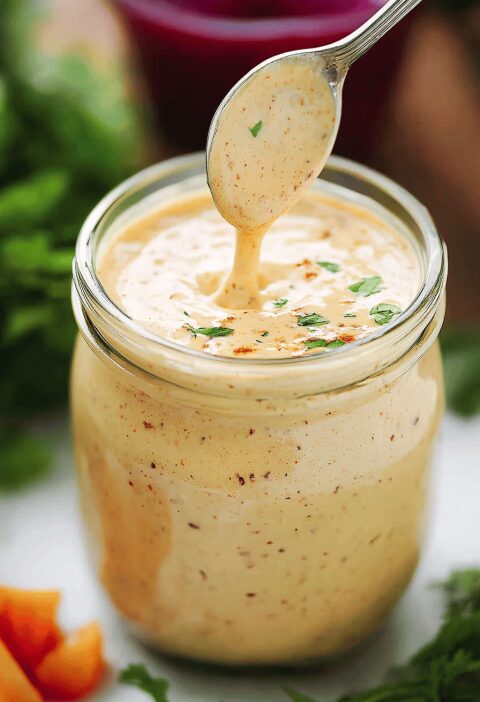
In a small saucepan, combine ketchup, apple cider vinegar, brown sugar, molasses, Worcestershire sauce, Dijon mustard, smoked paprika, garlic powder, pepper, and salt. Simmer over low heat for 10 to 15 minutes, stirring now and then, until slightly thickened. This homemade bbq sauce should be tangy, sweet, and just a little smoky. -
Check for tenderness.
Carefully uncover the ribs—watch for steam. If a knife slides into the meat with little resistance, they’re ready for the final step. If not, cover them again and bake another 15 to 20 minutes. Ribs can be forgiving, but timing still matters. -
Sauce the ribs.
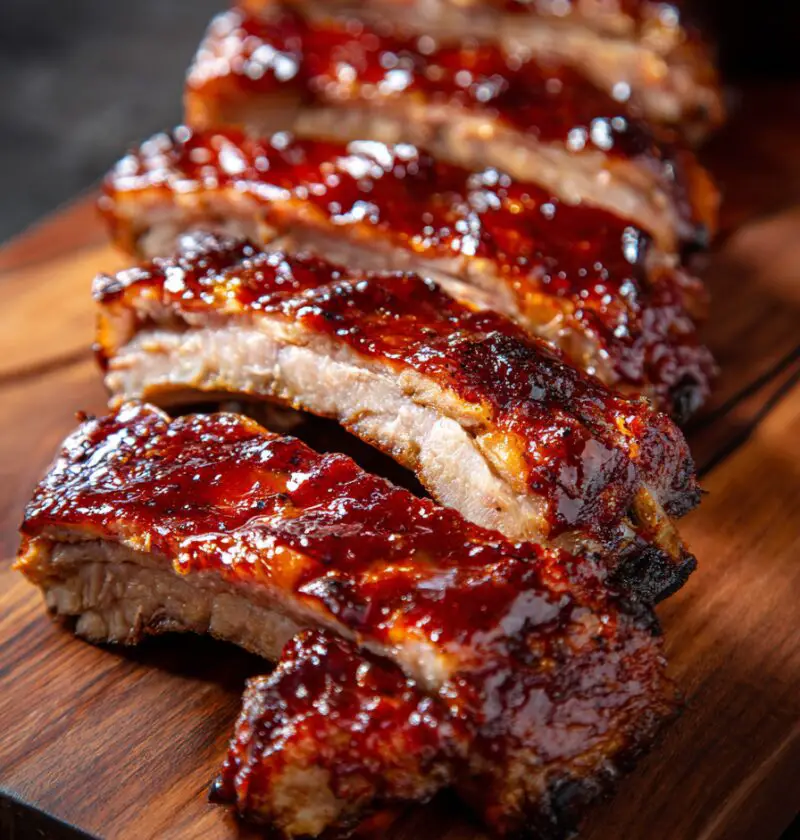
Brush a generous layer of sauce over the tops of the ribs. If you like sticky barbecue ribs, don’t be shy here. Save some sauce for serving at the table. -
Finish under the broiler or on the grill.
For an oven finish, broil the ribs for 3 to 5 minutes until the sauce bubbles and caramelizes. Keep an eye on them—sugar can go from glossy to burnt in a flash.
For bbq baby back ribs on the grill, place them over medium heat for 5 to 8 minutes, lid closed if possible, turning once and brushing with extra sauce. -
Rest, slice, and serve.
Let the ribs rest for 10 minutes before cutting between the bones. This helps the juices settle back into the meat. Serve warm with extra sauce, slaw, cornbread, baked beans, or a crisp potato salad. That contrast of smoky ribs and cool slaw? Always a good idea.
Servings & Timing
- Yield: 4 to 6 servings
- Prep Time: 20 minutes
- Cook Time: 2 hours 30 minutes
- Rest Time: 10 minutes
- Total Time: About 3 hours
If you’re cooking for a party, count on about 1/2 rack per person for hearty eaters, especially if these ribs are the main event.
Variations
- Spicy version: Add 1 to 2 teaspoons chipotle powder to the rub for smoky heat.
- Honey garlic ribs: Swap the molasses in the sauce for honey and add an extra clove of minced garlic.
- Smoked finish: After baking, place the ribs in a smoker for 30 minutes to pick up extra smoke flavor.
- Mustard-style ribs: Add 2 tablespoons yellow mustard to the sauce for a tangier Southern-style twist.
- Dry-style ribs: Skip the sauce entirely and serve the dry rub ribs with lemon wedges and pickles.
- Asian-inspired ribs: Add a splash of soy sauce and a little ginger to the sauce for a sweet-savory spin.
Storage & Reheating
Store leftover ribs in an airtight container in the refrigerator for up to 4 days. If possible, keep extra sauce separate so the texture stays better.
For longer storage, wrap the ribs tightly in foil and place them in a freezer-safe bag or container. Freeze for up to 3 months. Thaw overnight in the refrigerator before reheating.
To reheat, place the ribs in a baking dish with a spoonful or two of water or extra sauce, cover with foil, and warm at 275°F for 20 to 30 minutes, or until heated through. You can also finish them uncovered for a few minutes to refresh the glaze. The microwave works in a hurry, but the oven gives the best texture.
Make-ahead tip: Bake the ribs a day ahead, cool them, and refrigerate. Then sauce and finish them on the grill or under the broiler right before serving. That little trick saves time and makes dinner feel much less hectic.
Notes
The biggest lesson I’ve learned from recipe testing? Don’t rush the first bake. If you try to crank the heat too high, the outside cooks faster than the inside relaxes, and you lose that lovely tender texture. Low heat may seem old-fashioned, but with ribs, old-fashioned usually wins.
I also find that removing the membrane really does matter. People skip it because it’s a bit fussy, and I get that. Still, when I tested batches side by side, the racks without the membrane had better texture and held the seasoning more evenly.
If you like true fall off the bone ribs, bake toward the longer end of the time range. If you want ribs with a little more chew—something closer to competition-style—pull them a bit earlier. Both are good. It just depends on what kind of rib eater you are.
And here’s one more kitchen note: sweet sauces burn fast. If you’re finishing under the broiler, stay close. This is not the moment to wander off and check your email.
FAQs
Can I make this Baby Back Ribs Recipe ahead of time?
Yes. Bake the ribs up to a day ahead, then refrigerate and finish with sauce under the broiler or on the grill before serving.
What temperature should baby back ribs be cooked to?
Ribs are usually judged more by tenderness than a strict number, but many cooks look for an internal temperature around 190°F to 203°F for very tender results.
How do I know when the ribs are done?
The meat should pull back from the bones, the rack should bend easily, and a knife should slide into the thickest part with little resistance.
Can I use store-bought sauce instead of homemade bbq sauce?
Absolutely. Use your favorite bottled barbecue sauce if that makes dinner easier. A quick homemade sauce simply gives you more control over sweetness and tang.
Why are my ribs tough?
They likely need more time. Tough pork ribs usually mean the connective tissue hasn’t broken down enough yet, so keep cooking them gently.
Should I boil ribs before baking?
I don’t recommend it. Boiling can wash away flavor and affect texture; baking low and slow keeps the ribs meaty and flavorful.
Can I cook these on the grill only?
Yes, but keep the heat indirect and low. Grill them covered over indirect heat until tender, then move them over direct heat briefly to caramelize the sauce.
What sides go best with bbq ribs?
Classic sides include coleslaw, mac and cheese, baked beans, corn on the cob, cornbread, potato salad, and even a simple cucumber salad for something cool and crisp.
Conclusion
This Baby Back Ribs Recipe gives you everything you want from great bbq ribs—a bold rub, a sticky homemade sauce, and tender, flavorful meat that’s easy to make at home. Whether you serve them as oven baked ribs, finish them as grilled ribs, or build out a whole barbecue spread, they’re the kind of meal people remember.
If you make these ribs, I’d love to hear how they turned out for you. Leave a comment below, share your favorite side dish, and be sure to check out more easy comfort-food recipes for your next family dinner or backyard cookout.