Yopokki Recipe (Easy, Cozy Korean Rice Cake Comfort Food)
If you’ve been craving sweet and spicy Korean comfort food that comes together fast, this Yopokki recipe is your new weeknight best friend—chewy rice cakes, bold sauce, and all the cozy vibes of Korean street food in one simple pan.
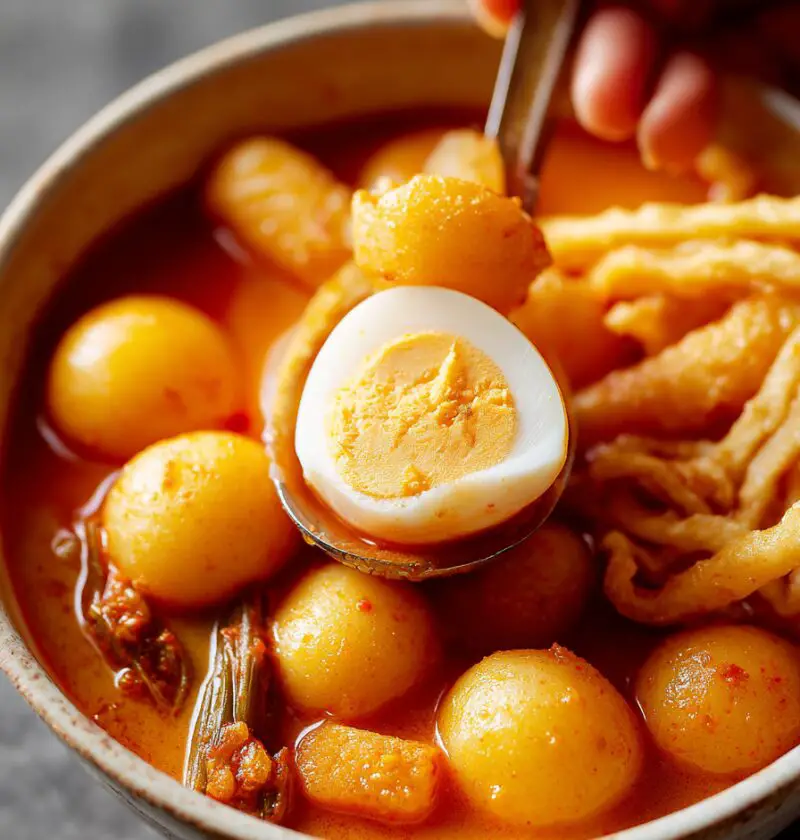
Yopokki is a beloved brand of instant tteokbokki (spicy Korean rice cakes) that turns a classic Korean street food snack into something you can cook at home in minutes. This Yopokki recipe shows you exactly how to turn those little rice cake packets and sauce into a full, satisfying meal—think of it as a gentle “bridge” between instant tteokbokki cups and a full homemade spicy tteokbokki recipe from scratch.
As a 50-year-old mom who raised three kids on a mix of casseroles, mac and cheese, and whatever Korean food we could get our hands on in the suburbs, I’ve come to love dishes like this. It’s fast, it’s comforting, and it feels just a little bit fun and different, especially on a chilly night. You get that chewy yopokki rice cake texture with a thick, glossy sweet and spicy sauce—without needing a Korean market stocked to the ceiling.
You can keep it simple as a quick lunch, or dress it up with cheese, veggies, and eggs to turn it into a full-on easy Korean comfort food dinner. And yes, we’re keeping this Yopokki recipe beginner-friendly, budget-conscious, and pantry-smart.
Why You’ll Love This Yopokki Recipe
1. Ready in about 15 minutes
Perfect when you’re hungry now—not in an hour. Instant tteokbokki-style speed with homemade flavor.
2. Uses easy-to-find Yopokki packs
No need to hunt down every single ingredient; this recipe works beautifully with standard Yopokki cups or pouch kits.
3. Customizable heat level
Make it mild for kids or heat-lovers spicy by tweaking the sauce and add-ins.
4. True Korean street food flavor at home
You get the chewy Korean rice cake recipe vibes and rich gochujang-based sauce without a trip to Seoul.
5. Pantry and freezer friendly
Frozen rice cakes, a couple of sauces, and some fridge veggies are all you really need.
6. One pan, minimal cleanup
Everything cooks right in one skillet or small pot, which my 50-year-old knees and weeknight brain truly appreciate.
7. Easy to bulk up for a meal
Add boiled eggs, cheese, ramen noodles, or fish cakes and suddenly it’s a hearty Korean rice cake dish for dinner.
8. Works for snacks, lunch, or late-night cravings
Serve it in small bowls as a Korean street food snack or pile it high for a cozy main.
Ingredients
This Yopokki recipe is written for one standard Yopokki pack (cup or pouch) and easily doubled or tripled.
For the Yopokki Rice Cakes & Sauce
- 1 pack Yopokki rice cakes with sauce (about 120–150 g rice cakes + sauce packet)
- 1/2 cup water (120 ml), plus up to 1/4 cup more as needed for consistency
- 1 tsp sugar (optional, for extra sweetness if you like sweeter tteokbokki)
- 1–2 tsp gochujang (Korean red pepper paste; optional, to boost spice and depth)
- 1 tsp soy sauce (adds savory depth to the yopokki sauce recipe)
- 1/2 tsp sesame oil (for a toasty, nutty finish)
Veggies & Add-Ins (Optional but Recommended)
Pick and choose from:
- 1/4 small onion, thinly sliced (yellow or sweet onion works great)
- 1 green onion, sliced (white and green parts separated)
- 1/4 cup shredded cabbage or napa cabbage, loosely packed
- 1/4 cup sliced fish cakes (eomuk), if available (classic Korean tteokbokki ingredient)
- 1 hard-boiled egg, halved (for that traditional street stall feel)
- 1/4 cup shredded mozzarella or mild melting cheese (for cheesy tteokbokki vibes)
Garnishes
- 1 tsp toasted sesame seeds
- Extra sliced green onion tops
Ingredient Tips
- Yopokki pack: Use your favorite flavor—spicy, cheese, kimchi, or sweet & spicy all work with this method. If you’re new to Yopokki, the “Sweet & Spicy” flavor is a good starting point.
- Rice cakes: If they’re very hard or frozen, soak them in warm water for 5–10 minutes before cooking; this helps them soften faster and cook evenly.
- Gochujang: Different brands vary; if you’re sensitive to spice, start with 1/2 teaspoon, taste, and build from there. I like Chung Jung One or CJ brands.
- Cheese: Low-moisture mozzarella melts into that wonderfully stretchy, gooey topping. You can also do a blend with a little cheddar for extra flavor.

Directions
1. Soften the rice cakes (especially if frozen)
Place the Yopokki rice cakes in a bowl and cover with warm tap water. Let them sit for about 5–10 minutes while you prep the other ingredients. This step helps them cook evenly and reach that perfect chewy-but-tender texture—nobody wants rock-hard rice cakes.
2. Prep your veggies and extras
Thinly slice the onion, green onion, cabbage, and fish cakes (if using). Cut your boiled egg in half. Measure your water, soy sauce, sugar, gochujang, and sesame oil so everything is ready. A little mise en place here keeps this fast-cooking recipe from getting away from you.
3. Build the base sauce in the pan
In a medium nonstick skillet or small saucepan, add 1/2 cup water, the Yopokki sauce packet, soy sauce, and sugar (if using). Stir well over medium heat until the sauce dissolves and looks smooth. If you’re adding gochujang, whisk it in now so it melts right into the sauce.
4. Add rice cakes and simmer
Drain the soaking rice cakes and add them to the pan with the sauce. Stir so every piece is coated. Cook over medium heat, stirring every 30 seconds or so, for about 5–7 minutes. The sauce will start thin, then slowly thicken and cling to the rice cakes as they cook. If the sauce gets too thick before the rice cakes are fully tender, splash in 1–2 tablespoons of extra water and continue cooking.
5. Add veggies and fish cakes
Once the rice cakes are almost tender (a fork should press in with a bit of resistance), add sliced onion, cabbage, and fish cakes. Cook another 2–3 minutes, stirring often. The onion should soften slightly while still keeping a little bite. Taste the sauce and adjust—add a pinch more sugar, gochujang, or soy sauce as your tongue tells you.
6. Make it cheesy (optional but so cozy)
Reduce the heat to low. If using cheese, sprinkle the shredded mozzarella evenly over the top of the rice cakes. Cover the pan with a lid and let it sit for 1–2 minutes until the cheese melts and gets stretchy. No lid? You can loosely cover the pan with a piece of foil or just let it slowly melt uncovered.
7. Finish with sesame oil and garnish
Turn off the heat. Drizzle sesame oil over the top and gently swirl the pan. Top with halved boiled egg, green onion tops, and toasted sesame seeds. Serve immediately while it’s hot and glossy—the sauce thickens as it cools, which is tasty but a little messier.
Servings & Timing
- Yield: 1 generous serving as a main, or 2 smaller snack portions
- Prep Time: 5–10 minutes (soaking rice cakes + chopping veggies)
- Cook Time: 8–10 minutes
- Total Time: About 15–20 minutes, including light prep and simmering
If you’re serving a family, you can easily scale this up to 3–4 servings by using 2–3 Yopokki packs and a larger skillet.
Fun Variations on This Yopokki Recipe
Once you’ve made it once, you’ll see how flexible it is. Here are some ideas:
-
Rose Yopokki (Creamy Version)
Stir in 2–3 tablespoons of heavy cream or half-and-half near the end for a pink, milder, creamy sauce—like a “rosé” tteokbokki you see on Korean cafe menus. -
Yopokki Ramen Bowl
Add a handful of instant ramen noodles and an extra 1/4–1/3 cup water while simmering; cook until the noodles are just tender and soaking in the spicy sauce. -
Extra-Veggie Yopokki
Bulk it up with sliced carrots, bell peppers, mushrooms, or baby spinach for more color and nutrition. -
Mild Kid-Friendly Yopokki
Use a milder Yopokki flavor (like cheese), skip the gochujang, and finish with extra cheese on top to balance the heat. -
Seafood Yopokki
Add a small handful of peeled shrimp or squid rings in the last 3–4 minutes of cooking; they’ll cook quickly in the bubbling sauce. -
Sweet & Smoky Version
Stir in a teaspoon of brown sugar and a splash of smoked paprika along with the sauce for a slightly smoky twist.
Storage & Reheating
Yopokki and other sweet and spicy rice cakes are best eaten fresh, but leftovers can still be lovely with a little care.
-
Fridge:
- Store cooled leftovers in an airtight container in the refrigerator for up to 2 days. The rice cakes will firm up and absorb more sauce as they sit.
-
Freezer:
- I don’t recommend freezing cooked rice cakes; they can turn tough and lose that chewy texture. Instead, keep extra uncooked rice cakes in the freezer and cook them fresh next time.
-
Reheating:
- Add 1–3 tablespoons of water to a small skillet with the leftover yopokki.
- Warm over low to medium heat, stirring occasionally, until the sauce loosens and the rice cakes warm through (about 3–5 minutes).
- You can also reheat in the microwave with a splash of water, covered, in 30-second bursts, stirring between each.
-
Make-Ahead Advice:
- You can pre-slice veggies, boil eggs, and measure sauces ahead of time.
- For best texture, cook the rice cakes right before serving; they’re at their peak within the first hour.
Notes From My Kitchen (Little Things That Make a Big Difference)
-
Sauce thickness is everything:
If your yopokki sauce gets too thick, don’t panic—just stir in a tablespoon or two of water until it looks glossy and coats a spoon without turning gloopy. -
Chew factor matters:
Korean rice cake recipes are all about that just-right chew. Undercooked rice cakes will be hard in the center; overcooked ones get too soft and lose their bounce. Aim for something like al dente pasta—bouncy but not tough. -
Don’t walk away from the pan:
The sauce can thicken very quickly, especially toward the end, and rice cakes like to stick to the bottom. Stir often and keep the heat at medium to medium-low. -
Layer your spice:
Start mild with the Yopokki sauce packet, then add optional gochujang, chili flakes, or a drizzle of chili oil at the end so everyone at the table can find their comfort zone. -
Think of it as “instant + homemade”:
You’re using an instant tteokbokki cup or pouch as a base, but adding veggies, eggs, cheese, and little tweaks turns it into something that tastes like you cooked it from scratch. It’s that hybrid style that works beautifully on busy nights.
And from one middle-aged cook to another—there’s no medal for making everything 100% from scratch every single time. Shortcuts like this still count as real cooking.
FAQs About This Yopokki Recipe
1. What exactly is Yopokki?
Yopokki is a brand of instant tteokbokki—chewy Korean rice cakes with sauce—sold in cups or pouches that you can cook quickly at home.
2. Can I use regular Korean rice cakes instead of Yopokki?
Yes, you can use regular tteok (garaetteok) and make your own spicy tteokbokki sauce with gochujang, soy sauce, sugar, and water; just follow the same cooking method and adjust seasoning.
3. How spicy is this recipe?
Using the standard Yopokki spicy or sweet & spicy flavor, it’s a medium heat for most adults; you can reduce spice by skipping gochujang and choosing a milder flavor like cheese Yopokki.
4. My rice cakes are still hard—what should I do?
Add a bit more water and continue simmering over low heat for a few more minutes, stirring often; they’ll soften as they absorb more liquid.
5. Can I make this recipe vegetarian?
Yes—use a vegetarian-friendly Yopokki flavor, skip fish cakes, and add more veggies or tofu instead; always check the ingredient list on the sauce packets for any fish or meat extracts.
6. Is this gluten-free?
The rice cakes themselves are usually made from rice, but many Yopokki sauces contain wheat-based soy sauce; if you need gluten-free, check the label carefully or make your own gluten-free sauce.
7. How can I make it more filling as a meal?
Add boiled eggs, cheese, ramen noodles, or extra veggies like mushrooms and cabbage to turn this Korean rice cake dish into a full bowl-style dinner.
8. Can I double or triple this Yopokki recipe?
Absolutely—just use a larger skillet, keep an eye on the sauce thickness, and stir often; you may need to add a little extra water as you scale up.
Conclusion
This Yopokki recipe brings that classic Korean street food snack feeling right into your kitchen—chewy rice cakes, bold sweet-and-spicy sauce, and all the cozy, slurpy comfort of a quick bowl of tteokbokki without a lot of effort. It’s fast, flexible, and fun, whether you keep it simple from the cup or load it up with cheese, veggies, and eggs.
Give it a try on your next chilly evening or “nothing in the fridge” night, and let me know how you like to customize your yopokki rice cake bowls—more cheese, extra ramen, or veggie-packed? Leave a comment, share your tweaks, and then explore more Korean comfort food recipes next; once you’ve fallen for these spicy rice cakes, it’s hard to stop at just one bowl.
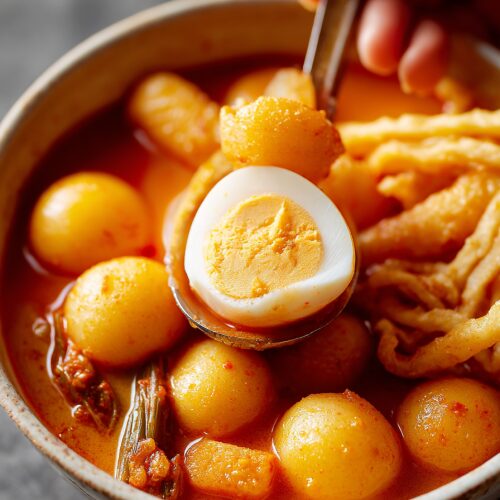
Yopokki Recipe (Easy, Cozy Korean Rice Cake Comfort Food)
Ingredients
- 1 pack Yopokki rice cakes with sauce about 120–150 g rice cakes + included sauce packet; any flavor (spicy, cheese, kimchi, sweet & spicy)
- 1/2 cup water plus up to 1/4 cup more as needed to adjust sauce thickness
- 1 teaspoon sugar optional, for extra sweetness
- 1 to 2 teaspoons gochujang (Korean red pepper paste) optional, to boost spice and depth; adjust to taste
- 1 teaspoon soy sauce adds savory depth to the sauce
- 1/2 teaspoon sesame oil for a toasty, nutty finish
- 1/4 small onion thinly sliced; yellow or sweet onion
- 1 green onion sliced, white and green parts separated; tops reserved for garnish
- 1/4 cup shredded cabbage or napa cabbage loosely packed
- 1/4 cup sliced fish cakes (eomuk) optional, classic tteokbokki add-in
- 1 hard-boiled egg halved, for serving (optional)
- 1/4 cup shredded mozzarella or other mild melting cheese optional, for cheesy topping
- 1 teaspoon toasted sesame seeds for garnish
- extra sliced green onion tops for garnish
Instructions
- Place the Yopokki rice cakes in a bowl and cover with warm tap water. Let them soak for 5–10 minutes while you prep the other ingredients. This helps them cook evenly and reach a chewy-but-tender texture.1 pack Yopokki rice cakes with sauce
- Thinly slice the onion, green onion, cabbage, and fish cakes (if using). Cut the boiled egg in half. Measure the water, soy sauce, sugar, gochujang, and sesame oil so everything is ready before you start cooking.1/2 cup water, 1 teaspoon sugar, 1 to 2 teaspoons gochujang (Korean red pepper paste), 1 teaspoon soy sauce, 1/2 teaspoon sesame oil, 1/4 small onion, 1 green onion, 1/4 cup shredded cabbage or napa cabbage, 1/4 cup sliced fish cakes (eomuk), 1 hard-boiled egg
- In a medium nonstick skillet or small saucepan, add 1/2 cup water, the Yopokki sauce packet from the pack, soy sauce, and sugar (if using). Cook over medium heat, stirring, until the sauce dissolves and looks smooth. Whisk in the gochujang, if using, until fully incorporated.1/2 cup water, 1 teaspoon sugar, 1 to 2 teaspoons gochujang (Korean red pepper paste), 1 teaspoon soy sauce
- Drain the soaking rice cakes and add them to the pan with the sauce. Stir to coat each piece. Cook over medium heat for 5–7 minutes, stirring every 30 seconds or so. The sauce will start thin, then thicken and cling to the rice cakes. If it gets too thick before the rice cakes are tender, add 1–2 tablespoons of extra water at a time and continue cooking until the center is chewy but not hard.1 pack Yopokki rice cakes with sauce, 1/2 cup water
- When the rice cakes are almost tender, add the sliced onion, cabbage, and fish cakes. Cook for another 2–3 minutes, stirring often, until the onion has softened slightly but still has a bit of bite. Taste the sauce and adjust with more sugar, soy sauce, or gochujang as needed.1 teaspoon sugar, 1 to 2 teaspoons gochujang (Korean red pepper paste), 1 teaspoon soy sauce, 1/4 small onion, 1/4 cup shredded cabbage or napa cabbage, 1/4 cup sliced fish cakes (eomuk)
- Reduce the heat to low. Sprinkle the shredded mozzarella (if using) evenly over the top of the rice cakes. Cover the pan with a lid and let it sit for 1–2 minutes until the cheese is melted and stretchy. If you don’t have a lid, loosely cover with foil or allow the cheese to melt uncovered a bit longer.1/4 cup shredded mozzarella or other mild melting cheese
- Turn off the heat. Drizzle sesame oil over the top and gently swirl or stir to distribute. Top with the halved boiled egg, toasted sesame seeds, and sliced green onion tops. Serve immediately while hot and glossy, noting that the sauce will continue to thicken as it cools.1/2 teaspoon sesame oil, 1 hard-boiled egg, 1 teaspoon toasted sesame seeds, extra sliced green onion tops
- For leftovers, add 1–3 tablespoons of water to a small skillet with the Yopokki. Warm over low to medium heat, stirring occasionally, until the sauce loosens and the rice cakes heat through, 3–5 minutes. Or microwave with a splash of water, covered, in 30-second bursts, stirring between each.1/2 cup water
Notes
• Rose Yopokki: Stir in 2–3 tablespoons heavy cream or half-and-half near the end for a creamy, pink sauce.
• Yopokki Ramen Bowl: Add a handful of instant ramen noodles plus an extra 1/4–1/3 cup water and cook until noodles are just tender.
• Extra-Veggie: Add sliced carrots, bell peppers, mushrooms, or baby spinach.
• Mild Kid-Friendly: Use a milder Yopokki flavor (like cheese), skip the gochujang, and add extra cheese.
• Seafood: Add a small handful of peeled shrimp or squid rings in the last 3–4 minutes of cooking. Tips:
• Adjust sauce thickness with small splashes of water until glossy and pourable but clingy.
• Aim for an "al dente" chew in the rice cakes—bouncy but not hard or mushy.
• Stir frequently and keep heat at medium to medium-low to prevent sticking and over-thickening.
• To make vegetarian, use a vegetarian-friendly Yopokki flavor, skip fish cakes, and add more veggies or tofu; check sauce labels for fish or meat extracts.
• Yopokki sauces often contain wheat-based soy sauce; check labels if you need gluten-free.