Teriyaki Salmon Recipe
If you need a fast, flavor-packed dinner that feels a little special without making a mess of your kitchen, this Teriyaki Salmon Recipe is the one to keep on repeat.
A sweet-savory salmon dinner that always feels like a win
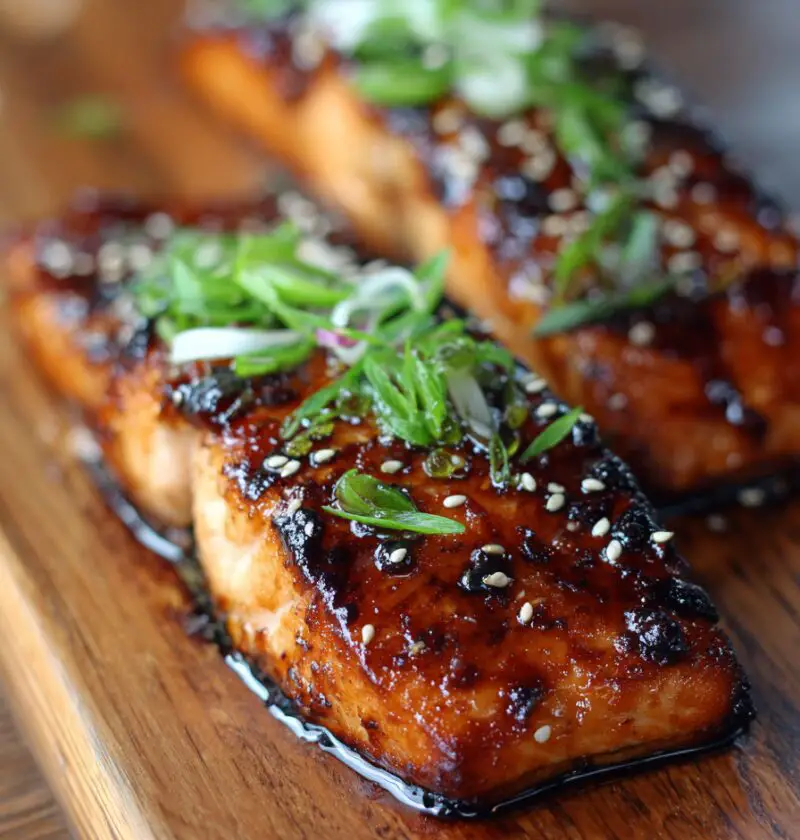
Teriyaki salmon is one of those dishes that sounds restaurant-worthy but is honestly very doable at home. You get tender, flaky salmon fillets coated in a glossy homemade teriyaki glaze made with soy sauce, garlic, honey, and a few pantry basics. The result is bold, balanced, and deeply comforting—like takeout and home cooking met in the middle and decided to behave beautifully.
I make this recipe when I want something healthy but not boring, quick but not rushed. It’s especially handy on busy weeknights, and it’s pretty enough to serve when family drops by on a Sunday evening. Around my house, salmon has always been a reliable “everyone eats it without complaint” kind of meal, which, let me tell you, is no small thing.
What makes this salmon recipe special is the balance. The teriyaki glaze brings sweetness, salt, and just the right bit of richness without overpowering the fish. Salmon is naturally rich in protein and omega-3 fatty acids, so it’s one of those healthy seafood dinners that actually feels satisfying. And whether you make it as baked salmon, grilled salmon, or pan seared salmon, the flavors hold up beautifully.
Why you’ll love this recipe
- Ready in about 25 minutes from start to finish
- Big flavor with simple pantry ingredients
- Works for baked, grilled, or stovetop cooking
- A great easy dinner for busy weeknights
- Naturally high in protein and healthy fats
- Family-friendly, even for picky eaters
- The homemade teriyaki sauce tastes better than bottled
- Lovely with rice, noodles, or steamed vegetables
- Easy to prep ahead for a stress-free weeknight meal
- Feels a little fancy without extra work
Ingredients
Here’s what you’ll need for this Japanese inspired teriyaki salmon recipe.
-
4 salmon fillets (about 6 ounces each)
Choose center-cut fillets if you can; they cook more evenly. Skin-on works especially well because it helps hold the fish together. -
2 tablespoons olive oil or neutral oil
Use avocado oil or canola oil if you’re grilling or cooking at higher heat. -
1/3 cup low-sodium soy sauce
This forms the base of the soy sauce marinade and glaze. If needed, use tamari for a gluten-free version. -
3 tablespoons honey
Gives the glaze that beautiful sticky finish. Maple syrup can work in a pinch, though the flavor will be a little different. -
2 tablespoons brown sugar
Helps deepen the caramelized flavor. Light or dark brown sugar both work. -
2 cloves garlic, minced
Fresh garlic gives the best flavor. Jarred garlic is fine on a busy night, though. -
1 tablespoon fresh ginger, grated
Fresh ginger adds brightness and warmth. If you don’t have it, use 1 teaspoon ground ginger. -
1 tablespoon rice vinegar
This cuts through the sweetness and keeps the glaze balanced. -
1 teaspoon sesame oil
A little goes a long way, so don’t overdo it. -
1 tablespoon cornstarch
Used to thicken the teriyaki glaze. -
2 tablespoons water
To mix with the cornstarch for a slurry. -
1 tablespoon sesame seeds (optional)
For garnish and a bit of crunch. -
2 green onions, sliced (optional)
These add color and freshness right at the end. -
Cooked rice, for serving (optional but recommended)
Jasmine rice, brown rice, or even cauliflower rice all pair nicely.

Directions
-
Pat the salmon dry and season lightly.
Use paper towels to blot the salmon fillets well—this small step helps them sear better and keeps the glaze from sliding off. If you like, add a tiny pinch of black pepper, but go easy on salt since the soy sauce brings plenty. -
Make the teriyaki sauce base.
In a small bowl, whisk together the soy sauce, honey, brown sugar, garlic, ginger, rice vinegar, and sesame oil. It should smell sweet, savory, and a little sharp from the ginger—exactly what you want. -
Set aside some sauce, then marinate briefly.
Pour about 1/4 cup of the sauce into a separate small bowl for glazing later. Use the rest as a quick marinade for the salmon, letting it sit for 10 to 15 minutes. You don’t need much longer; salmon is delicate, and a short soak does the job. -
Prepare the thickener.
Stir the cornstarch and water together in a tiny bowl until smooth. This slurry will turn the sauce into that shiny teriyaki glaze we all want. -
Cook the salmon.
For pan seared salmon, heat oil in a large skillet over medium heat. Add the salmon skin-side down and cook for 4 to 5 minutes, then flip and cook another 2 to 4 minutes, depending on thickness.
For baked salmon, place the fillets on a parchment-lined sheet pan and bake at 400°F for 10 to 14 minutes.
For grilled salmon, oil the grates and grill over medium heat for about 4 to 5 minutes per side.
The salmon is done when it flakes easily with a fork and reaches 125°F to 130°F in the thickest part for a moist finish, or 145°F if you prefer it fully done. -
Simmer the glaze.
While the salmon cooks, pour the reserved sauce into a small saucepan. Bring it to a gentle simmer over medium heat, then stir in the cornstarch slurry. Cook for 1 to 2 minutes, stirring often, until the glaze thickens and turns glossy. If it thickens too much, add a splash of water. -
Glaze the salmon generously.
Brush or spoon the warm glaze over the cooked salmon fillet. If you’re using a skillet, you can return the salmon to the pan for 30 seconds and spoon the sauce over the top so it clings nicely. -
Finish and serve.
Sprinkle with sesame seeds and sliced green onions if using. Serve right away over rice with broccoli, snap peas, or a crisp cucumber salad. Honestly, a spoonful of extra glaze over the rice is never a bad idea.
Servings & Timing
- Yield: 4 servings
- Prep Time: 10 minutes
- Marinate Time: 10 to 15 minutes
- Cook Time: 10 minutes
- Total Time: About 25 to 30 minutes
That timing makes this a true quick recipe and a very realistic weeknight option.
Variations
If you like to change things up a bit, here are a few easy ways to make this Asian salmon recipe your own:
- Honey garlic salmon version: Add an extra clove of garlic and a little more honey for a sweeter, stickier finish.
- Spicy teriyaki salmon: Stir in 1 to 2 teaspoons sriracha or a pinch of red pepper flakes.
- Orange teriyaki salmon: Add 2 tablespoons orange juice and a little zest for a fresh citrus note.
- Low-sugar version: Reduce the honey and brown sugar slightly and lean on ginger and garlic for flavor.
- Gluten-free version: Use tamari instead of soy sauce and double-check any bottled add-ins.
- Sheet pan dinner: Roast the salmon with broccoli or green beans on the same pan for a full easy dinner.
Storage & Reheating
Leftover teriyaki salmon stores surprisingly well, which is nice if you like a good lunch the next day.
- Refrigerator: Store in an airtight container for up to 3 days. Keep extra glaze separate if possible so the fish doesn’t get too soggy.
- Freezer: Freeze cooked salmon for up to 2 months. Wrap tightly, then place in a freezer-safe container or bag.
- Reheating: Warm gently in a 300°F oven for 8 to 10 minutes, or microwave in short bursts at 50% power. Salmon can dry out if overheated, so keep an eye on it.
- Thawing: Defrost overnight in the refrigerator before reheating.
- Make-ahead tip: You can whisk the homemade teriyaki sauce up to 3 days ahead and store it in the fridge. That makes dinner come together very fast.
Notes
A few things I learned while testing this recipe—because yes, I’ve made enough teriyaki salmon to know where the little hiccups happen.
First, don’t skip drying the salmon. Wet fish tends to steam instead of sear, and you miss out on that lovely texture. Second, reserve part of the sauce before marinating. That way, you can safely simmer it into a glaze without any food safety concerns from raw fish.
Also, watch the heat. Teriyaki sauce has sugar, and sugar goes from glossy to scorched in a blink. Medium heat is your friend here. If you’re baking the salmon, lining the pan with parchment makes cleanup easier and keeps the glaze from sticking like concrete. I learned that one the hard way.
If you’re using farm-raised salmon, you may notice it cooks a bit faster because it often has a higher fat content. Wild salmon can be leaner, so keep an eye on it and pull it a touch earlier if needed. Little differences like that matter more than people think.
And one more thing—make extra sauce. Not a wildly huge batch, but a little extra. Because once that sweet-savory glaze hits the rice, somebody at the table is going to ask for more.
FAQs
Can I use frozen salmon for this teriyaki salmon recipe?
Yes, absolutely. Just thaw it fully in the refrigerator and pat it very dry before marinating and cooking.
What kind of salmon works best?
Atlantic salmon, sockeye, coho, and king salmon all work well. For a richer texture, Atlantic or king salmon are especially nice.
How do I know when salmon is done?
It should flake easily with a fork and look slightly translucent in the very center if you want it moist. A thermometer is the most reliable tool.
Can I make this as baked salmon only?
Of course. Baked salmon is one of the easiest methods, especially if you’re cooking for the family or doubling the recipe.
Is teriyaki salmon healthy?
Yes, it can be a very balanced meal. Salmon offers protein and omega-3 fats, and using a homemade glaze lets you control the sugar and sodium.
Can I marinate the salmon overnight?
I wouldn’t recommend it. A short 10 to 15 minute marinade is enough for flavor, and longer marinating can affect the texture of the fish.
Why didn’t my teriyaki glaze thicken?
Usually that means the cornstarch slurry wasn’t mixed well or the sauce didn’t simmer long enough. Stir the slurry again and let the sauce bubble gently for another minute.
What should I serve with teriyaki salmon?
Rice, noodles, steamed broccoli, bok choy, snap peas, or a crunchy slaw are all great choices. If you want a lighter plate, try cauliflower rice and cucumbers.
Conclusion
This Teriyaki Salmon Recipe is quick, dependable, and full of that glossy sweet-savory flavor that makes dinner feel a little more exciting. Whether you make it as pan seared salmon, grilled salmon, or baked salmon, it’s an easy meal that fits busy nights and still tastes special. Give it a try, and if you do, leave a comment and let me know how you served it—or browse my other healthy seafood and weeknight meal ideas for your next dinner win.