Sushi Bowl Recipe
If you love sushi but don’t love rolling tiny, fussy little rolls at 6 p.m. on a Tuesday, this Sushi Bowl Recipe is your new best friend—fresh, colorful, healthy, no-bake, and on the table in about 30 minutes.
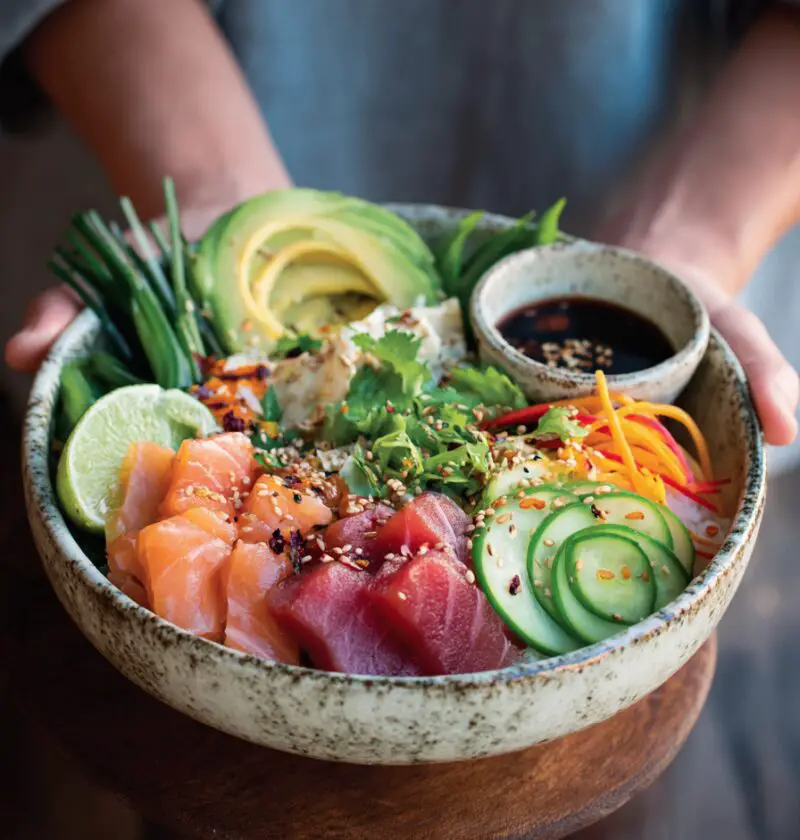
I like to call this my “weeknight sushi fixer.” It gives you all the flavors of your favorite sushi rice bowl—tender rice, silky salmon or tuna, crisp cucumber, creamy avocado, salty seaweed—without the stress of perfect knife skills or rolling technique. This deconstructed sushi bowl is easy, family-friendly, and endlessly customizable. Whether you’re craving a spicy sushi bowl, a vegetarian sushi bowl loaded with veggies, or a poke style sushi bowl with fresh seafood, this base recipe will walk you through everything step-by-step.
You can think of it as a Japanese rice bowl with a sushi personality: tangy sushi rice on the bottom, layers of color and texture on top, and a drizzle of soy sauce or spicy mayo to pull everything together. It’s the kind of healthy sushi bowl I reach for when I want something fresh but satisfying, especially in warmer weather—or honestly any time I’m trying to clear out the fridge.
Why You’ll Love This Sushi Bowl Recipe
- No rolling required – All the flavors of sushi, none of the fiddly rolling or special equipment.
- Ready in about 30 minutes – Cook the rice, chop a few toppings, and you’re done.
- Healthy and balanced – Protein, carbs, healthy fats, and plenty of fresh veggies in one colorful bowl.
- Totally customizable – Build a salmon sushi bowl, tuna sushi bowl, vegetarian sushi bowl, or seafood sushi bowl depending on what you have.
- Great for meal prep – Make a big batch of sushi rice bowl components and assemble sushi bowl meal prep boxes for grab-and-go lunches.
- Budget-friendly sushi fix – A homemade sushi bowl is much easier on the wallet than take-out sushi.
- Kid- and crowd-friendly – Set out toppings “bar style” and let everyone make their own easy sushi bowl.
- Gluten-free friendly – Use tamari or coconut aminos and you’ve got an easy gluten-free Japanese rice bowl.
Ingredients
For this Sushi Bowl Recipe, I’m giving you my “base formula” first, then I’ll share variations. Feel free to mix and match. The key is balance: something creamy, something crunchy, something salty, something fresh.
For the Sushi Rice Bowl Base:
- 1 ½ cups uncooked short-grain sushi rice
(look for “sushi rice” or Japanese short-grain; brands like Lundberg or Nishiki work well) - 1 ¾ cups water (for cooking the rice)
- 3 tablespoons rice vinegar (unseasoned is best so you can control the salt and sugar)
- 1 tablespoon sugar
- 1 teaspoon fine sea salt
For the Protein (choose 1–2):
- 8 ounces sushi-grade salmon, diced
(ask your fishmonger for “sashimi grade” or use a reputable source) - 8 ounces sushi-grade tuna, diced
(yellowfin or ahi works well) - OR 8 ounces cooked shrimp, peeled and chopped
- OR 8 ounces cooked crab or imitation crab, shredded
- OR 1 block (14 ounces) extra-firm tofu, pressed and cubed (for a vegetarian sushi bowl)
For the Marinade / Sauce:
- 3 tablespoons low-sodium soy sauce
(use tamari for gluten-free; coconut aminos for soy-free) - 1 tablespoon toasted sesame oil
- 1 tablespoon fresh lime juice or rice vinegar
- 1–2 teaspoons sriracha or chili-garlic sauce (for a spicy sushi bowl; adjust to taste)
- 1 teaspoon honey or sugar (optional, for a lightly sweet balance)
- 1 teaspoon grated fresh ginger (or ¼ teaspoon ground ginger in a pinch)
- 1 small garlic clove, finely minced (optional but flavorful)
Fresh Toppings (mix and match):
- 1 large avocado, sliced or cubed
(a must for a sushi bowl with avocado—choose one that yields slightly to gentle pressure) - 1 cup cucumber, diced or cut into thin half-moons
(Persian or English cucumbers are less watery and don’t need peeling) - 1 cup shredded carrots
- 1 cup edamame, shelled and thawed (frozen is fine)
- 2–3 green onions, thinly sliced
- ½ cup red cabbage, very thinly sliced (for color and crunch)
- 1–2 sheets roasted seaweed (nori), cut into thin strips or crumbled
(this makes it taste like a true sushi bowl with seaweed)
Garnishes & Finishing Touches:
- 1–2 tablespoons toasted sesame seeds (black, white, or a mix)
- Extra soy sauce or tamari, to taste
- Pickled ginger, for serving (optional but so good)
- Wasabi paste (for those who like it spicy)
- Spicy mayo: ¼ cup mayonnaise + 1–2 tablespoons sriracha, mixed until smooth
Ingredient Tips:
- Rice: Sushi rice really matters here—its starch content gives you that slightly sticky, glossy texture you expect in a homemade sushi bowl.
- Seafood: If you’re using raw salmon or tuna for a poke style sushi bowl, buy from a trusted fish counter; when in doubt, you can sear or bake the fish and serve it cooked.
- Tofu: Pressing tofu (wrap in a clean towel and weigh down for 15–20 minutes) helps it crisp better if you choose to pan-fry it.
- Sesame seeds: Toast them lightly in a dry pan for 2–3 minutes until fragrant. It’s a tiny step that makes a big difference.
Directions
-
Cook the sushi rice.
Rinse the sushi rice under cold water in a fine-mesh strainer, swishing with your hand, until the water runs mostly clear (this removes extra starch so the grains stay tender, not gummy). Combine the rice and 1 ¾ cups water in a medium saucepan, bring to a gentle boil, then cover, reduce heat to low, and cook for 15–18 minutes until the water is absorbed. Let stand, covered, for 10 minutes off the heat. -
Season the rice.
While the rice cooks, in a small bowl whisk together the rice vinegar, sugar, and salt until dissolved. Gently transfer the hot rice to a wide bowl (a shallow dish helps it cool). Pour the vinegar mixture over the rice and use a rice paddle or spatula to fold and fan the rice—cut through and turn rather than stir vigorously, so you don’t mash the grains. Let the seasoned sushi rice cool to warm room temperature. -
Prepare the protein.
If using raw salmon or tuna, pat it dry and cut into small, bite-sized cubes. For shrimp, crab, or tofu, chop into similar-sized pieces for even bites. You want them small enough that you can get a bit in every forkful. -
Mix the marinade / sauce.
In a medium bowl, whisk together soy sauce, sesame oil, lime juice or rice vinegar, sriracha (if using), honey or sugar, ginger, and garlic. Taste and adjust—more soy for salt, more lime for brightness, more sriracha for heat. This same mixture doubles as both marinade and drizzle. -
Marinate the protein (if desired).
Add your chosen protein (salmon, tuna, shrimp, crab, or tofu) to the bowl with about half of the sauce. Toss gently to coat. Let it sit in the fridge for 10–15 minutes while you prep the toppings. If you’re using very delicate raw fish and don’t want it “cooked” by acid, stick to rice vinegar instead of large amounts of citrus. -
Prep the fresh toppings.
Slice the avocado just before serving to keep it from browning. Chop cucumber, shred carrots and cabbage, slice green onions, and get your edamame ready. This is a great place to use what you have: radishes, bell peppers, or even thinly sliced snap peas work beautifully in a healthy sushi bowl. -
Assemble the sushi bowls.
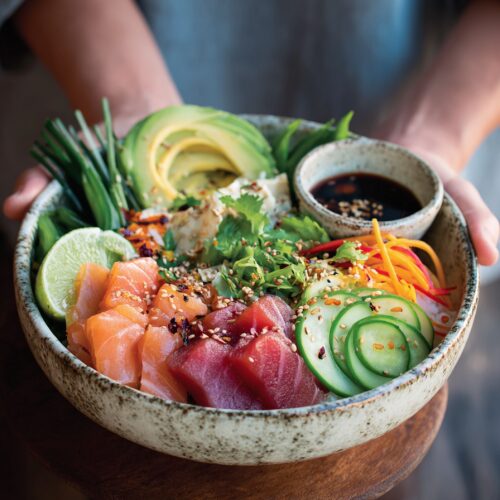
Spoon a generous layer of seasoned sushi rice into each bowl. Top with marinated protein, arranging it in one quadrant. Add small piles of cucumber, avocado, carrots, edamame, and cabbage around the bowl, “poke bowl style.” Sprinkle on nori strips and toasted sesame seeds for that classic sushi bowl with seaweed and sesame seeds flavor. -
Finish with sauces and garnishes.
Drizzle each deconstructed sushi bowl with some of the remaining sauce and/or spicy mayo. Add pickled ginger and a tiny dollop of wasabi on the side if you like. Offer extra soy sauce or tamari at the table so everyone can adjust seasoning. -
Serve and enjoy.
Serve right away while the rice is still slightly warm and the toppings are cool and fresh. Encourage everyone to stir everything together before eating—you get a little taste of everything in each bite.
Servings & Timing
- Yield: About 4 generous sushi bowls
- Prep Time: 20 minutes (chopping, mixing, marinating)
- Cook Time: 15–18 minutes for rice + 10 minutes resting
- Total Time: About 35–40 minutes
If you prep toppings and sauce ahead, you can cut the active time down to closer to 20 minutes for a quick sushi bowl on a busy night.
Variations
You know what? This is the fun part. Once you’ve got the basic sushi rice bowl down, you can play.
- Salmon Sushi Bowl: Use only diced sushi-grade salmon, marinate lightly, and top with extra avocado and sesame seeds.
- Tuna Sushi Bowl: Make it spicy with extra sriracha and thinly sliced green onions, almost like a spicy tuna roll in bowl form.
- Vegetarian Sushi Bowl: Use crispy pan-fried tofu or even chickpeas for protein, and add extra vegetables like roasted sweet potato or steamed broccoli.
- Spicy Sushi Bowl: Stir more sriracha or gochujang into the sauce and add sliced jalapeños for a bigger kick.
- Poke Style Sushi Bowl: Use raw salmon or tuna, skip the spicy mayo, and add cubed mango, seaweed salad, and macadamia nuts for a Hawaiian-inspired twist.
- Low-Carb Version: Swap the rice for cauliflower rice or a bed of shredded cabbage and lettuce for a lighter, veggie-heavy bowl.
Storage & Reheating
Because we’re playing with seafood and fresh veggies, storage is a little more nuanced—but still friendly.
- Rice: Store leftover sushi rice in an airtight container in the fridge for up to 3 days. Sprinkle lightly with water, cover, and gently rewarm in the microwave for 20–30 seconds, or let it come to room temperature before using.
- Protein:
- Raw marinated fish is best eaten the same day; if you must keep it, store it cold and consume within 24 hours.
- Cooked shrimp, crab, or tofu can be stored 2–3 days in the fridge.
- Veggies & Toppings: Keep chopped veggies in separate airtight containers. Avocado is best cut fresh. Nori stays crisp at room temperature in a sealed bag or jar.
- Make-Ahead Tip: For sushi bowl meal prep, store rice, protein, and veggies in separate compartments or containers. Assemble and add sauces just before eating so nothing gets soggy.
No real reheating is needed beyond the rice—most toppings are best chilled or at room temperature.
Notes from My Kitchen
-
Warm rice + cool toppings = magic.
One little thing I learned while testing this recipe: slightly warm sushi rice with cool, crisp toppings makes the whole bowl feel cozy but fresh. If the rice is ice-cold, the flavors fall a bit flat. -
Don’t skip seasoning the rice.
The rice vinegar-sugar-salt blend is what turns plain rice into sushi rice. Without it, you’ll still have a nice bowl, but it won’t taste like a true sushi bowl recipe. -
Knife skills are nice, not required.
Aim for small, even pieces so you can get everything into one bite. But don’t stress about perfect cubes—nobody is measuring. -
Taste as you go.
Different soy sauces and vinegars vary in strength. Taste the sauce and rice and tweak them. It’s your bowl, your rules. -
Seaweed is the quiet star.
A little nori goes a long way. If you’ve got roasted seaweed snack packs in your pantry, crumble those right in. Kids usually love them.
If you’re new to making any kind of Japanese rice bowl at home, let this be your gentle “training wheels” recipe. It’s forgiving, fresh, and surprisingly fun to assemble.
FAQs
1. Can I use regular long-grain rice instead of sushi rice?
You can, but the texture won’t be the same. Short-grain sushi rice gives you that slightly sticky, chewy bite that makes this feel like a true sushi bowl recipe.
2. Is it safe to use raw fish at home?
Yes—if you buy sushi- or sashimi-grade fish from a trusted source and keep it very cold. When in doubt, use cooked shrimp, crab, or tofu for your seafood sushi bowl.
3. How can I make this gluten-free?
Use tamari or coconut aminos in place of soy sauce and check labels on things like imitation crab or sauces. Everything else in this easy sushi bowl is naturally gluten-free.
4. What if I don’t like raw fish?
No problem—make a cooked salmon sushi bowl (baked or pan-seared salmon), use shrimp or crab, or stick with tofu and veggies for a vegetarian sushi bowl.
5. How spicy is the spicy sushi bowl version?
That’s completely up to you. Use just a teaspoon of sriracha for a mild kick, or add more to both the sauce and spicy mayo if you like it hot.
6. Can I make this ahead for lunches?
Yes, but keep components separate. Pack rice, protein, and veggies in sections and add avocado, nori, and sauces right before eating for the best texture.
7. Do I have to marinate the fish or tofu?
Not strictly—but that quick 10–15 minute marinade adds a lot of flavor. If you’re short on time, at least drizzle some sauce on top of the finished bowl.
8. Can I freeze any part of this sushi bowl recipe?
The fresh veggies and raw fish don’t freeze well. You can freeze cooked rice and cooked proteins like shrimp or baked salmon, then thaw and use later with fresh toppings.
Conclusion
This Sushi Bowl Recipe is my favorite kind of weeknight magic: simple ingredients, bright flavors, and a meal that feels restaurant-fancy without much fuss. Whether you build a bold spicy sushi bowl, a delicate salmon sushi bowl, or a veggie-packed sushi bowl with avocado and cucumber, you’re getting a fresh, healthy sushi bowl that’s completely tailored to you.
If you give this recipe a try, I’d love to hear how you made it your own—did you go classic, poke-style, or totally off-script? Leave a comment, rate the recipe, or share your bowl combo, and if you’re still in a sushi mood, explore more of my rice bowl and seafood recipes next.
Sushi Bowl
Ingredients
- 1 1/2 cups short-grain sushi rice uncooked; look for "sushi rice" or Japanese short-grain
- 1 3/4 cups water for cooking the rice
- 3 tablespoons rice vinegar unseasoned, for sushi rice
- 1 tablespoon sugar for seasoning the rice
- 1 teaspoon fine sea salt for seasoning the rice
- 8 ounces sushi-grade salmon diced; or use sushi-grade tuna, cooked shrimp, crab, or tofu
- 3 tablespoons low-sodium soy sauce or tamari for gluten-free, coconut aminos for soy-free
- 1 tablespoon toasted sesame oil
- 1 tablespoon lime juice or rice vinegar for the marinade/sauce
- 1-2 teaspoons sriracha or chili-garlic sauce to taste, for a spicy version
- 1 teaspoon honey or sugar optional, for sweetness in the sauce
- 1 teaspoon fresh ginger grated; or 1/4 teaspoon ground ginger
- 1 clove garlic finely minced, optional
- 1 large avocado sliced or cubed
- 1 cup cucumber diced or thinly sliced; Persian or English preferred
- 1 cup shredded carrots
- 1 cup edamame shelled and thawed
- 2-3 green onions thinly sliced
- 1/2 cup red cabbage very thinly sliced
- 1-2 sheets roasted seaweed (nori) cut into thin strips or crumbled
- 1-2 tablespoons toasted sesame seeds black, white, or a mix
- extra soy sauce or tamari to taste, for serving
- pickled ginger optional, for serving
- wasabi paste optional, for serving
- 1/4 cup mayonnaise for spicy mayo
- 1-2 tablespoons sriracha for spicy mayo, to taste
Instructions
- Rinse the sushi rice under cold water in a fine-mesh strainer, swishing with your hand, until the water runs mostly clear. Combine the rinsed rice and 1 3/4 cups water in a medium saucepan, bring to a gentle boil, then cover, reduce heat to low, and cook for 15–18 minutes until the water is absorbed. Remove from heat and let stand, covered, for 10 minutes.1 1/2 cups short-grain sushi rice, 1 3/4 cups water
- While the rice cooks, whisk together the rice vinegar, sugar, and fine sea salt in a small bowl until dissolved. Transfer the hot rice to a wide bowl, pour the vinegar mixture over, and gently fold the rice with a rice paddle or spatula, cutting and turning rather than stirring vigorously. Let the seasoned sushi rice cool to warm room temperature.3 tablespoons rice vinegar, 1 tablespoon sugar, 1 teaspoon fine sea salt
- Pat your chosen protein dry and cut into small, bite-sized cubes or pieces so you can get some in every bite. Use sushi-grade salmon or tuna if serving raw, or cooked shrimp, crab, or tofu if you prefer cooked or vegetarian.8 ounces sushi-grade salmon
- In a medium bowl, whisk together soy sauce, toasted sesame oil, lime juice or rice vinegar, sriracha or chili-garlic sauce (if using), honey or sugar, grated ginger, and minced garlic. Taste and adjust the balance of salt, acidity, and heat to your liking.3 tablespoons low-sodium soy sauce, 1 tablespoon toasted sesame oil, 1 tablespoon lime juice or rice vinegar, 1-2 teaspoons sriracha or chili-garlic sauce, 1 teaspoon honey or sugar, 1 teaspoon fresh ginger, 1 clove garlic
- Add the prepared protein to the bowl with about half of the sauce. Toss gently to coat and refrigerate for 10–15 minutes while you prep the toppings. If using delicate raw fish and you want to avoid "cooking" it in acid, favor rice vinegar over a lot of citrus.8 ounces sushi-grade salmon
- Just before assembling, slice or cube the avocado. Dice or slice the cucumber, shred the carrots and red cabbage, and thinly slice the green onions. Make sure the edamame is thawed and drained. Have the nori ready, cut into thin strips or crumbled.1 large avocado, 1 cup cucumber, 1 cup shredded carrots, 1 cup edamame, 2-3 green onions, 1/2 cup red cabbage, 1-2 sheets roasted seaweed (nori)
- In a small bowl, stir together the mayonnaise and sriracha until smooth. Adjust the amount of sriracha to reach your desired heat level.1/4 cup mayonnaise, 1-2 tablespoons sriracha
- Spoon a generous layer of warm seasoned sushi rice into each bowl. Top with a portion of the marinated protein, then arrange small piles of cucumber, avocado, carrots, edamame, and red cabbage around the bowl. Sprinkle with nori strips and toasted sesame seeds.1 1/2 cups short-grain sushi rice, 8 ounces sushi-grade salmon, 1 large avocado, 1 cup cucumber, 1 cup shredded carrots, 1 cup edamame, 1/2 cup red cabbage, 1-2 sheets roasted seaweed (nori), 1-2 tablespoons toasted sesame seeds
- Drizzle each bowl with some of the remaining sauce and a zigzag of spicy mayo. Garnish with sliced green onions, serve with extra soy sauce or tamari, pickled ginger, and a small dab of wasabi on the side. Serve right away while the rice is slightly warm and toppings are cool.3 tablespoons low-sodium soy sauce, 2-3 green onions, extra soy sauce or tamari, pickled ginger, wasabi paste