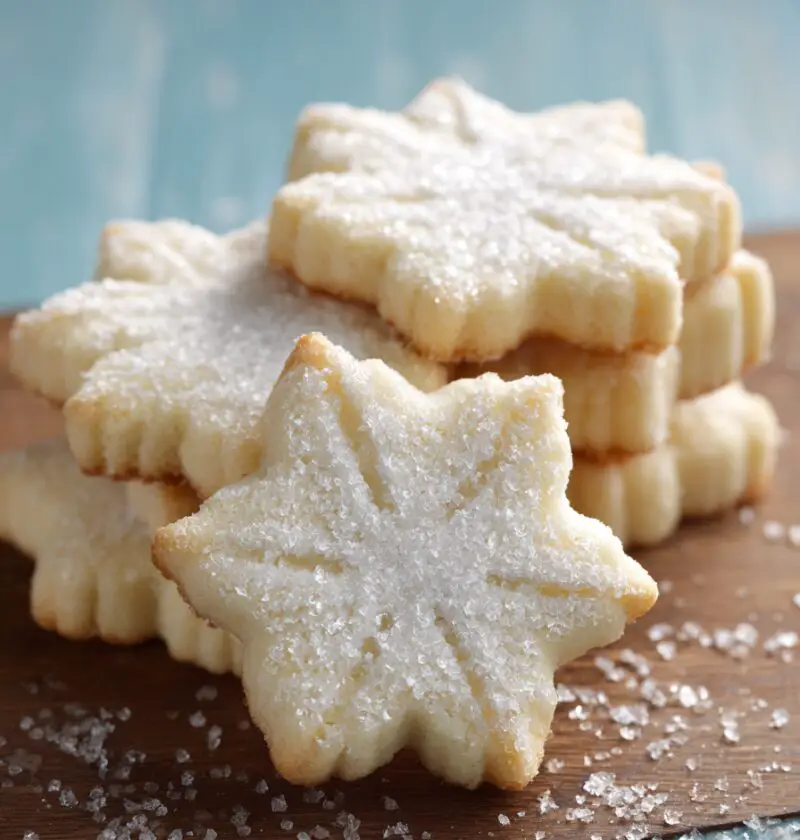
Shortbread Cookies Recipe
Buttery, crisp, and wonderfully simple, this Shortbread Cookies Recipe gives you classic, melt-in-your-mouth cookies with just a few pantry ingredients and a little patience.
What Makes This Shortbread Cookies Recipe So Special?
Shortbread cookies are the little black dress of baking—simple, timeless, and always appropriate. This classic shortbread cookies recipe uses just butter, sugar, and flour (plus a touch of vanilla and salt) to create crisp buttery cookies with the most tender crumb. No eggs, no fancy equipment, and no complicated steps.
I grew up seeing Scottish shortbread cookies in shiny holiday tins on my grandmother’s coffee table, and to this day, these homemade shortbread cookies still remind me of cold December afternoons and cups of hot tea. These are classic teatime cookies, but they’re just as welcome tucked into a holiday cookie box, wrapped as a hostess gift, or paired with fresh berries for a simple buttery dessert recipe.
And you know what? For something that tastes this indulgent, the ingredient list is actually quite modest. No preservatives, no weird stuff—just honest, from-scratch, butter sugar flour cookies that you can feel good about serving to the people you love.
Why You’ll Love This Shortbread Cookies Recipe
- Just 5 basic ingredients – This simple shortbread recipe relies on pantry staples you probably already have.
- Eggless cookie recipe – Great for anyone avoiding eggs or when you’re short on them during holiday baking.
- Melt-in-your-mouth texture – Tender crumb cookies that are crisp at the edges and soft and buttery at the center.
- Perfect slice and bake cookies – Make the shortbread cookie dough ahead, chill it, slice, and bake when you’re ready.
- Ideal for gifting – These easy shortbread cookies travel and ship well, and they stay delicious for days.
- Beginner-friendly – If you can cream butter and sugar, you can make beautiful homemade shortbread cookies.
- Customizable flavors – Turn them into vanilla shortbread cookies, lemon, chocolate-dipped, or even a savory-herb version.
- Great make-ahead holiday cookie recipe – Dough can rest in the fridge or freezer, ready whenever guests pop by.
Ingredients
Here’s everything you need for this classic, buttery shortbread cookies recipe.
-
1 cup (2 sticks / 226 g) unsalted butter, softened
Room temperature butter should be cool but easily indented with your finger—too soft and the cookies may spread. -
2/3 cup (80 g) powdered sugar (confectioners’ sugar)
Powdered sugar gives these shortbread cookies a tender, melt-in-mouth texture. (Granulated sugar makes them a bit crisper.) -
2 teaspoons pure vanilla extract
This turns them into fragrant vanilla shortbread cookies. Use real vanilla for the best flavor. -
1/2 teaspoon fine sea salt
If using salted butter, reduce the added salt to a pinch. -
2 cups (240 g) all-purpose flour, spooned and leveled
Too much flour can make shortbread dry, so measure carefully or use a kitchen scale if you have one. -
Optional for finishing:
- 2–3 tablespoons coarse sugar (for sprinkling on top)
- Extra fine sea salt flakes (for a sweet-salty finish)
- Melted dark or milk chocolate (for dipping)

Directions
This traditional shortbread recipe uses a simple slice-and-bake method, so it’s easy to prep ahead and bake fresh whenever you like.
-
Cream the butter and sugar
In a large mixing bowl (or the bowl of a stand mixer), beat the softened butter and powdered sugar together on medium speed for 2–3 minutes, until light, smooth, and creamy. Scrape down the sides of the bowl once or twice. This step creates the base for those crisp buttery cookies. -
Add vanilla and salt
Mix in the vanilla extract and salt just until combined. You should smell that warm vanilla right away—that’s your hint you’re on the right track. -
Add the flour gently
Sprinkle the flour over the butter mixture. Mix on low speed, just until the dough starts to come together in clumps. Stop as soon as you no longer see dry flour. The dough may look a bit crumbly; when you press it between your fingers, it should hold together. -
Bring the dough together by hand
Turn the shortbread cookie dough onto a clean surface or a sheet of parchment. Gently knead it 3–4 times, pressing it into a cohesive mass. Don’t overwork it; that can make the cookies tough. -
Shape into logs for slice-and-bake cookies
Divide the dough in half. Shape each half into a log about 1½–2 inches in diameter. Roll each log in parchment paper or plastic wrap, smoothing as you go. Twist the ends to seal. For more even cookies, you can gently roll the wrapped log back and forth on the counter. -
Chill the dough
Refrigerate the dough logs for at least 1 hour, or up to 3 days. Chilling helps the fat firm up so your easy shortbread cookies keep their shape and get that beautiful, clean edge. -
Prep to bake
When you’re ready to bake, preheat your oven to 325°F (165°C). Line two baking sheets with parchment paper or silicone baking mats. -
Slice the cookies
Unwrap the dough and place on a cutting board. Using a sharp knife, slice the dough into ¼-inch thick rounds. If the dough is very firm, let it rest a few minutes on the counter first. If any slices crack at the edges, just press them back together. -
Arrange and top (if using)
Place the cookies on the prepared baking sheets, leaving about 1 inch between them. For a classic look, you can lightly prick the tops with a fork. Sprinkle with coarse sugar or a pinch of flaky salt, if desired. -
Bake until just set
Bake for 14–18 minutes, rotating the pans halfway through. The cookies should look set and just barely golden at the edges but still pale on top. Shortbread should not brown deeply—if it does, it can taste a bit too toasty. -
Cool on the pan, then move
Let the cookies cool on the baking sheet for about 5–10 minutes, then transfer them to a wire rack to cool completely. They’ll firm up as they cool, so don’t worry if they seem a little soft right out of the oven. -
Finish with chocolate (optional)
If you’re dipping them, let the cookies cool completely. Then dip half of each cookie into melted chocolate, place on parchment, and let set. Now you’ve got café-ready, fancy-looking buttery shortbread cookies with almost no extra work.
Servings & Timing
- Yield: About 28–32 shortbread cookies, depending on thickness
- Prep Time: 15 minutes
- Chill Time: 1 hour (hands-off)
- Bake Time: 14–18 minutes per batch
- Total Time: About 1 hour 30 minutes, including chilling
This makes a great “bake a little now, save some for later” recipe—keep one log in the fridge for the week and freeze the other for a future cookie craving.
Variations
Here’s where this Shortbread Cookies Recipe really turns into a little flavor playground.
- Lemon shortbread cookies – Add 1–2 tablespoons fresh lemon zest and 1 teaspoon lemon juice to the dough for a bright, sunny twist.
- Chocolate chip shortbread – Fold in ½ cup mini chocolate chips right after adding the flour for a kid-favorite version.
- Almond shortbread – Replace ½ teaspoon vanilla with ½ teaspoon almond extract and sprinkle sliced almonds on top.
- Espresso shortbread – Stir in 1–2 teaspoons instant espresso powder with the flour for grown-up coffeehouse flavor.
- Rosemary sea salt shortbread – Add 1–2 teaspoons finely chopped fresh rosemary and finish with flaky sea salt for a savory-sweet teatime cookie.
- Holiday sprinkle shortbread – Roll the dough logs in red and green sanding sugar or sprinkles before slicing for a festive holiday cookie recipe.
Storage & Reheating
Shortbread is wonderfully sturdy, which makes it perfect for gifting, mailing, or just nibbling all week long.
- Room temperature: Store baked shortbread cookies in an airtight container at room temperature for 5–7 days. Keep them away from strong-smelling foods so they don’t absorb odors.
- Refrigerator: Not required, but they’ll last up to 2 weeks chilled in a tightly sealed tin or container.
- Freezer (baked cookies): Freeze in an airtight container or freezer bag for up to 3 months. Place parchment between layers to prevent sticking.
- Freezer (dough logs): Wrap the logs well and freeze for up to 3 months. Slice from frozen (let sit a couple minutes if very hard) and add 1–2 extra minutes of bake time.
- Re-crisping: If your cookies lose a bit of crunch, warm them on a baking sheet at 300°F (150°C) for 5–7 minutes, then cool completely—this brings back that lovely crisp texture.
For make-ahead holiday baking, I like to prep several flavors of shortbread cookie dough, label the logs, and freeze them. Then I can bake a tray here and there all season long without wrecking my schedule.
Notes
- Butter temperature matters. If your butter is too soft (shiny or greasy), your shortbread cookies may spread more and lose their neat edges. Aim for cool, pliable butter.
- Measure your flour carefully. I tested this traditional shortbread recipe by weight and by volume; when measuring by cups, spoon the flour into the cup and level it off with a knife so you don’t pack too much.
- Don’t overmix the dough. Once you add the flour, mix just until it comes together. Overmixing develops gluten and can make dense cookies instead of tender crumb cookies.
- Baking time is gentle. If you’re used to deeply golden cookies, shortbread will feel strange at first. Pull them when the edges are just barely turning light gold—they’ll finish setting as they cool.
- Pan shortbread option. Instead of logs, press the dough into an 8×8-inch pan lined with parchment, chill, score into bars, and bake for 25–30 minutes. Cut into wedges or bars while still warm for classic Scottish shortbread cookies.
- Flavor boosters. A tiny pinch of nutmeg, a scrape of vanilla bean, or a whisper of citrus zest can really make the buttery flavor sing without changing that traditional shortbread recipe feel.
FAQs
Can I use salted butter instead of unsalted?
Yes—just reduce the added salt to a pinch and taste the dough (it’s eggless) to be sure it isn’t too salty.
Why is my shortbread dough so crumbly?
Shortbread dough should be a little crumbly, but if it won’t hold together when pressed, you may have added too much flour; try gently kneading it with clean hands or adding 1–2 teaspoons of soft butter.
Why did my shortbread cookies spread in the oven?
Usually it’s because the butter was too soft or the dough wasn’t chilled long enough; next time, chill the shaped dough at least 1 hour and make sure your oven is fully preheated.
Can I use granulated sugar instead of powdered sugar?
You can, but the texture will be a bit crisper and less melt-in-mouth; powdered sugar gives that classic tender shortbread crumb.
Do I need a mixer for this recipe?
A hand mixer or stand mixer makes the creaming step easier, but you can absolutely use a sturdy wooden spoon and some elbow grease—just cream the butter and sugar well until smooth and light.
Is this Shortbread Cookies Recipe gluten-free friendly?
You can use a 1:1 gluten-free baking flour blend; the texture may be slightly more delicate, but shortbread is very forgiving since it doesn’t rely on eggs for structure.
How far ahead can I make the dough?
The dough logs keep in the fridge for up to 3 days and in the freezer for up to 3 months, making this a wonderful make-ahead cookie recipe for busy weeks.
Are these good for mailing in holiday boxes?
Yes, these classic shortbread cookies are sturdy and hold their shape well—just pack them snugly in a tin with parchment between layers.
Conclusion
This Shortbread Cookies Recipe gives you everything you want from a classic, buttery cookie—crisp edges, a tender, melt-in-your-mouth center, and simple ingredients you can trust. Whether you’re filling a holiday cookie tray, packing lunchbox treats, or just baking yourself a little something sweet for teatime, these easy shortbread cookies are the kind of recipe you’ll come back to year after year.
If you try this recipe, I’d love to hear how it went—tell me your favorite variation, or which batch disappeared the fastest. And when you’re ready for more, try pairing these with a batch of chocolate chip cookies or a bright lemon bar from your collection for the coziest dessert plate.
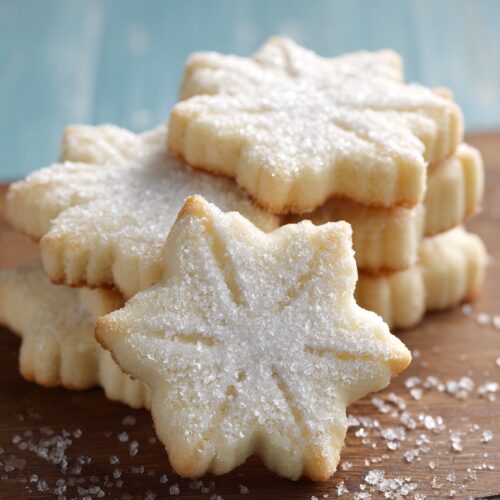
Shortbread Cookies
Ingredients
- 1 cup unsalted butter 2 sticks / 226 g, softened; cool but pliable
- 2/3 cup powdered sugar 80 g, confectioners’ sugar
- 2 teaspoons pure vanilla extract
- 1/2 teaspoon fine sea salt reduce to a pinch if using salted butter
- 2 cups all-purpose flour 240 g, spooned and leveled
- 2 tablespoons coarse sugar optional, for sprinkling on top (use 2–3 tablespoons as desired)
- flaky sea salt optional, for sprinkling on top
- melted dark or milk chocolate optional, for dipping cooled cookies
Instructions
- In a large mixing bowl or the bowl of a stand mixer, beat the softened unsalted butter and powdered sugar together on medium speed for 2–3 minutes, until light, smooth, and creamy. Scrape down the sides of the bowl once or twice.1 cup unsalted butter, 2/3 cup powdered sugar
- Mix in the vanilla extract and fine sea salt just until combined.2 teaspoons pure vanilla extract, 1/2 teaspoon fine sea salt
- Sprinkle the all-purpose flour over the butter mixture. Mix on low speed just until the dough starts to come together in clumps and no dry flour remains. The dough may look crumbly but should hold together when pressed between your fingers.2 cups all-purpose flour
- Turn the dough out onto a clean surface or sheet of parchment paper. Gently knead it 3–4 times, pressing it into a cohesive mass without overworking.
- Divide the dough in half. Shape each half into a log about 1 1/2–2 inches in diameter. Roll each log in parchment paper or plastic wrap, smoothing as you go and twisting the ends to seal. For more even cookies, gently roll the wrapped log back and forth on the counter.
- Refrigerate the dough logs for at least 1 hour, or up to 3 days, until firm. Chilling helps the cookies keep their shape and creates clean edges.
- When ready to bake, preheat the oven to 325°F (165°C). Line two baking sheets with parchment paper or silicone baking mats.
- Unwrap the chilled dough logs and place on a cutting board. Using a sharp knife, slice the dough into 1/4-inch thick rounds. If the dough is very firm, let it rest a few minutes at room temperature. If any slices crack at the edges, press them back together.
- Arrange the cookie slices on the prepared baking sheets, leaving about 1 inch between them. For a classic look, lightly prick the tops with a fork. If desired, sprinkle with coarse sugar and/or a pinch of flaky sea salt.2 tablespoons coarse sugar, flaky sea salt
- Bake for 14–18 minutes, rotating the pans halfway through. The cookies should look set and just barely golden at the edges while still pale on top. Do not let them brown deeply.
- Let the cookies cool on the baking sheets for 5–10 minutes, then transfer to a wire rack to cool completely. They will firm up as they cool.
- If desired, once the cookies are completely cool, dip half of each cookie into melted dark or milk chocolate. Place on parchment paper and let the chocolate set before serving or storing.melted dark or milk chocolate