Serrano Pepper Recipe (My Go-To Zesty Serrano Pepper Sauce & Salsa)
If you’ve been craving a bright, spicy, better-than-restaurant serrano pepper recipe that works as a sauce, salsa, dip, and marinade all in one, you’re in exactly the right kitchen with me today.
I’m a 50-year-old home cook in the U.S. who grew up with a Midwestern casserole spirit and a deep love for Mexican serrano peppers—and this versatile serrano pepper recipe is the one I reach for when I want something bold, fresh, and just a little fiery. It’s a roasted serrano pepper sauce that doubles as a chunky serrano pepper salsa, a serrano pepper dip for chips and tacos, and even a bright marinade for chicken, shrimp, or veggies.
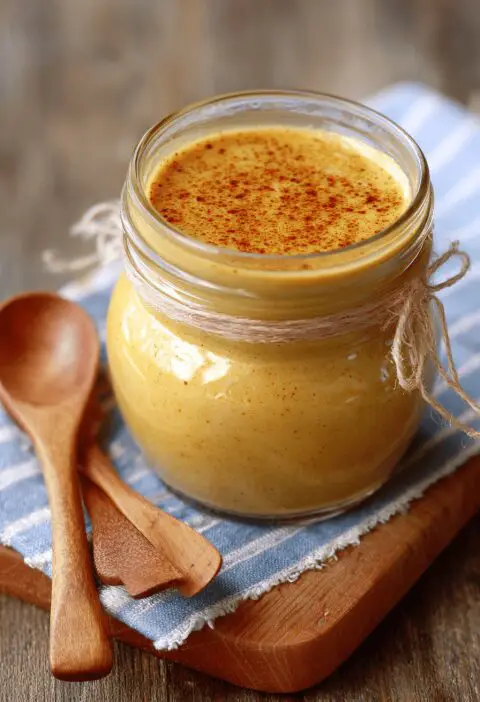
Think: roasted serrano peppers, garlic, lime, and a whisper of honey, all blended into a glossy, green, addicting sauce you’ll want to put on everything from scrambled eggs to grilled steak.
Why You’ll Love This Serrano Pepper Recipe
Let me explain why this isn’t just another spicy serrano peppers situation sitting in your fridge and getting ignored. This is the kind of homemade serrano sauce that actually gets used.
- Super versatile: Works as a serrano pepper sauce, salsa, marinade, dip, and even a serrano pepper relish-style garnish.
- Easy and fuss-free: Simple, fresh serrano chiles and pantry staples—no special equipment beyond a blender or food processor.
- Adjustable heat level: You control the kick; remove seeds and membranes for milder serrano pepper dishes or keep them for a proper fiery serrano chili recipe.
- Healthy and fresh: No mystery ingredients—just veggies, herbs, olive oil, and lime; naturally gluten-free and can be made vegan.
- Meal-prep friendly: Keeps well in the fridge, and the flavor actually improves after a day, perfect for make-ahead taco nights.
- Perfect for Mexican-inspired meals: Amazing with tacos, burritos, enchiladas, grilled serrano peppers on the side, and even spooned over roasted vegetables.
- Quick to make: About 15 minutes of hands-on time; roasting adds flavor but not much effort.
- Budget-friendly: Serrano peppers and tomatoes are generally inexpensive—great flavor without a splurge.
Ingredients (What You’ll Need for This Zesty Serrano Sauce & Salsa)
This recipe makes a generous batch of serrano pepper sauce—about 2 cups. Perfect for a family taco night, a party, or several days of “wow, this makes everything better” in your fridge.
For the Roasted Veggies
- 6–8 fresh serrano chiles, stems removed (leave seeds for heat; remove for milder sauce)
- 3 medium Roma tomatoes, halved lengthwise
- 1 small white or yellow onion, peeled and quartered
- 4 cloves garlic, skin on (roasting in the peel keeps them sweet and mellow)
- 1 tablespoon olive oil (or avocado oil)
- ½ teaspoon fine sea salt
For Blending
- ½ cup fresh cilantro leaves and tender stems, loosely packed
- Juice of 2 limes (about 3–4 tablespoons; use fresh for the best serrano pepper salsa flavor)
- 2–3 tablespoons water, plus more as needed for desired thickness
- 1–2 teaspoons honey or agave (optional, balances the heat and acidity)
- ½ teaspoon ground cumin (adds warmth and depth)
- ¼ teaspoon smoked paprika (optional, but lovely if you like a tiny smoky serrano pepper seasoning note)
- More salt, to taste
Optional Add-Ins for Customization
- 1 small avocado for a creamier serrano pepper dip
- 2 tablespoons plain Greek yogurt or sour cream for a tangy, rich finish
- Splash of white vinegar or apple cider vinegar if you’re leaning toward a sharper serrano pepper hot sauce vibe
Ingredient Tips
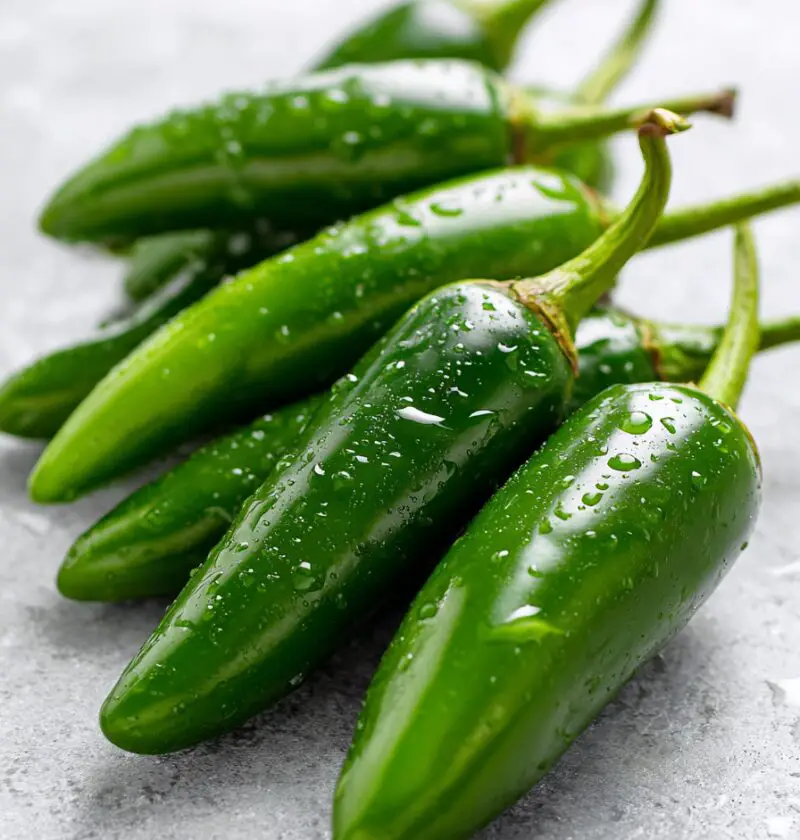
- Serrano peppers: Look for smooth, firm, glossy skin. Smaller serranos are often hotter; larger ones can be a bit milder.
- Tomatoes: Romas hold up well to roasting. In summer, any meaty garden tomato works.
- Limes: Heavy for their size usually means juicy.
- Cilantro: If you’re one of those “cilantro tastes like soap” folks, sub with fresh parsley and a little green onion for freshness.

Directions (Step-By-Step Serrano Pepper Recipe)
This method gives you a roasted serrano pepper salsa/sauce with layers of flavor—and it’s much easier than it looks on paper.
-
Preheat and prep your pan
Preheat your oven to 425°F (220°C). Line a baking sheet with parchment paper or foil for easier cleanup. Add the serrano peppers, halved tomatoes (cut-side up), onion quarters, and unpeeled garlic cloves to the sheet, then drizzle with olive oil and sprinkle with salt. Toss gently with your hands so everything gets a thin coat of oil. -
Roast until charred and fragrant
Roast for 15–20 minutes, turning the peppers and onions halfway through. You’re looking for lightly charred edges, softened tomatoes, and blistered serrano skins. The garlic should feel soft when you pinch it with tongs. A little blackening is welcome—that’s your smoky flavor building up. -
Cool slightly and peel the garlic
Remove the pan from the oven and let everything cool for about 5 minutes, just so it’s easier to handle. Then squeeze the roasted garlic cloves out of their skins. They should pop out easily and smell sweet and nutty. -
Add roasted veggies to the blender
Transfer the roasted serrano peppers, tomatoes, onions, and peeled garlic into a blender or food processor. If you’re nervous about heat, you can remove the seeds and white membranes from some or all of the serranos first (use gloves if your skin is sensitive). -
Add herbs, lime, and seasonings
Add cilantro, lime juice, cumin, smoked paprika (if using), honey or agave, and 2 tablespoons of water. This is also where you’d add avocado or yogurt if you want a creamier serrano pepper dip. -
Blend to your ideal texture
Blend on low at first, then increase speed until the sauce is as smooth or as chunky as you like. For a serrano pepper salsa, I usually pulse until it’s still slightly textured. For a smoother serrano pepper hot sauce style, add a bit more water and blend thoroughly. Taste and adjust salt, lime, and honey. -
Adjust consistency
If the mixture seems too thick (think tomato paste), add more water, a tablespoon at a time, until it’s pourable but still clingy. This makes it perfect as a serrano pepper marinade or drizzle-style homemade serrano sauce. -
Let it rest for flavor
Let the sauce sit for at least 15–20 minutes before serving. The flavors “marry” as the lime, roasted veggies, and spices settle in. Honestly, it tastes even better after chilling in the fridge for a couple of hours. -
Serve it your way
Spoon this authentic serrano recipe over tacos, burrito bowls, grilled fish, scrambled eggs, roasted potatoes, or as a serrano pepper appetizer with tortilla chips. It also makes a fantastic serrano pepper side dish when drizzled over grilled corn or roasted veggies.
Servings & Timing
- Yield: About 2 cups of serrano pepper sauce/salsa
- Prep Time: 10–15 minutes
- Roasting Time: 15–20 minutes
- Rest Time: 15–20 minutes for best flavor
- Total Time: Around 45–55 minutes, mostly hands-off
Fun Variations (Make This Serrano Pepper Recipe Your Own)
Once you have this base, you can riff on it a dozen ways. Here are some of my favorites:
- Creamy Serrano Pepper Dip: Add 1 ripe avocado and ¼ cup Greek yogurt, then blend until silky and thick for dipping chips and raw veggies.
- Extra-Smoky Roasted Serrano Peppers Version: Char the peppers and tomatoes directly over a gas flame or on a hot grill before blending for a deeper grilled serrano peppers flavor.
- Cilantro-Lime Serrano Pepper Marinade: Thin the sauce with extra lime juice and 2–3 tablespoons olive oil to use as a marinade for chicken, shrimp, or tofu.
- Pickled Serrano Peppers Twist: Stir in 2–3 tablespoons finely chopped pickled serrano peppers or jalapeños for tangy brightness.
- Chunky Serrano Pepper Salsa: Reserve some of the roasted tomatoes and onions, chop them finely, and stir into the blended sauce for a heartier texture.
- Serrano Pepper Chutney-Style: Add 1–2 tablespoons brown sugar and a small splash of vinegar, then cook the sauce on the stove for 10–15 minutes to thicken into a sweet-spicy chutney.
Storage & Reheating (Yes, This Gets Better Tomorrow)
One of my favorite things about this serrano pepper recipe is how beautifully it keeps.
- Fridge: Store in an airtight glass jar or container in the refrigerator for up to 5–7 days. The flavor usually peaks around day two or three.
- Freezer: Freeze in small jars or ice cube trays (then transfer cubes to a freezer bag) for up to 2 months. Thaw overnight in the fridge or at room temperature for 20–30 minutes.
- Reheating: You don’t really “reheat” this—if you prefer it warm as a serrano pepper side dish, you can gently warm it in a small saucepan over low heat, stirring, just until slightly warm (don’t boil or it can dull the fresh flavors).
- Make-Ahead: Perfect for meal prep. Make a batch on Sunday and use it all week as a serrano pepper garnish, marinade, and taco sauce.
Notes from My Kitchen (Little Things That Make a Big Difference)
- Taste as you go: Serrano pepper heat can vary wildly. Sometimes six serranos feel mild; other times, two are enough. Blend, taste, and adjust.
- Balance is everything: If your sauce feels too sharp, add a touch more honey or agave. If it tastes flat, it likely needs a pinch more salt or a squeeze more lime.
- Use gloves if needed: Serrano pepper cooking can be a little “spicy” on your hands. I’ve rubbed my eyes by accident more times than I’d like to admit. A pair of disposable gloves helps.
- Texture tweaks: For a thicker serrano pepper relish-style spread, reduce the water and pulse only a few times. For a runnier serrano pepper hot sauce, add more water and a splash of vinegar.
- Serving ideas: Spoon on tacos, use as a base for serrano pepper main course marinades, drizzle over roasted sweet potatoes, or swirl into mayo or sour cream for a quick serrano pepper seasoning boost on sandwiches.
- Kid-friendly approach: For a family with different spice tolerances, make a mild base (seeded serranos) and then blend an extra serrano or two into a smaller portion for the heat-lovers.
FAQs About This Serrano Pepper Recipe
1. How spicy is this serrano pepper recipe?
It depends on how many serrano peppers you use and whether you include the seeds and membranes; with 6–8 serranos, it’s usually medium-hot, similar to a spicy restaurant salsa.
2. Can I use jalapeños instead of serrano peppers?
Yes, you can substitute jalapeños for a milder sauce—use the same method, but expect a slightly less sharp, grassier flavor than fresh serrano chiles.
3. How do I make this sauce less spicy?
Remove the seeds and white membranes from the serrano peppers, reduce the number of peppers, and add a bit more tomato or even a little extra yogurt or avocado to mellow the heat.
4. Can I make this a true serrano pepper hot sauce?
Yes; add more water to thin, a small splash of vinegar, and blend until completely smooth, then store in a squeeze bottle for easy drizzling.
5. Is this serrano pepper recipe vegan?
As written, it’s naturally vegan if you use agave or skip the sweetener—just avoid adding dairy-based yogurt or sour cream.
6. What can I serve this with besides tacos and chips?
Use it as a serrano pepper marinade for grilled chicken, spoon it over eggs, swirl it into chili, serve as a serrano pepper appetizer with quesadillas, or drizzle on grain bowls and roasted vegetables.
7. Can I can or jar this sauce for long-term storage?
This recipe is designed for short-term fridge or freezer storage; for canning, you’d need a tested serrano pepper canning recipe with specific acidity levels for safety.
8. My sauce turned out bitter—what went wrong?
Sometimes over-charred peppers or old, tough cilantro stems can add bitterness; try reducing char, using fresher herbs, and balancing with a little more lime and a small amount of honey.
Conclusion (Bring the Heat, Not the Hassle)
This roasted serrano pepper recipe is one of those quiet heroes in the kitchen—a simple, flexible, homemade serrano sauce that slides effortlessly between salsa, dip, marinade, and garnish. It celebrates spicy serrano peppers without overwhelming the rest of your meal, and once you have a jar in the fridge, you’ll keep finding new serrano pepper dishes to dress up with it.
Give it a try this week, then come back and tell me how you used it—on tacos, eggs, grilled veggies, or something totally unexpected. And if you’re in the mood for more fresh, spicy flavor, explore my other chile-forward recipes next; your taste buds won’t be bored for a long time.
Roasted Serrano Pepper Sauce & Salsa
Ingredients
- 6-8 fresh serrano chiles stems removed; leave seeds for more heat or remove for milder sauce
- 3 medium Roma tomatoes halved lengthwise
- 1 small white or yellow onion peeled and quartered
- 4 cloves garlic skin on, for roasting
- 1 tablespoon olive oil or avocado oil
- 1/2 teaspoon fine sea salt
- 1/2 cup fresh cilantro leaves and tender stems loosely packed
- 2 limes, juiced about 3–4 tablespoons fresh lime juice
- 2-3 tablespoons water plus more as needed to adjust thickness
- 1-2 teaspoons honey or agave optional, to balance heat and acidity
- 1/2 teaspoon ground cumin
- 1/4 teaspoon smoked paprika optional, for a light smoky note
- Salt to taste, for final seasoning
- 1 small avocado optional, for a creamier dip-style sauce
- 2 tablespoons plain Greek yogurt or sour cream optional, for tangy richness
- splash white vinegar or apple cider vinegar optional, for a sharper hot-sauce-style flavor
Instructions
- Preheat the oven to 425°F (220°C). Line a baking sheet with parchment paper or foil. Add the serrano peppers, halved tomatoes (cut-side up), onion quarters, and unpeeled garlic cloves to the sheet. Drizzle with olive oil, sprinkle with 1/2 teaspoon fine sea salt, and toss so everything is lightly coated.6-8 fresh serrano chiles, 3 medium Roma tomatoes, 1 small white or yellow onion, 4 cloves garlic, 1 tablespoon olive oil, 1/2 teaspoon fine sea salt
- Roast for 15–20 minutes, turning the peppers and onions halfway through. The serranos should be blistered, the tomatoes softened, and the onions lightly charred on the edges. The garlic cloves should feel soft when gently pinched with tongs.6-8 fresh serrano chiles, 3 medium Roma tomatoes, 1 small white or yellow onion, 4 cloves garlic
- Remove the pan from the oven and let the vegetables cool for about 5 minutes until they are easier to handle. Squeeze the roasted garlic cloves out of their skins; discard the peels.4 cloves garlic
- Transfer the roasted serrano peppers, tomatoes, onions, and peeled garlic to a blender or food processor. For a milder sauce, remove some or all of the seeds and white membranes from the serranos before blending (wear gloves if your skin is sensitive).6-8 fresh serrano chiles, 3 medium Roma tomatoes, 1 small white or yellow onion, 4 cloves garlic
- Add the cilantro, lime juice, ground cumin, smoked paprika (if using), honey or agave (if using), and 2 tablespoons of water to the blender. If you want a creamier dip-style sauce, add the avocado and/or Greek yogurt or sour cream at this stage.1/2 cup fresh cilantro leaves and tender stems, 2 limes, juiced, 2-3 tablespoons water, 1-2 teaspoons honey or agave, 1/2 teaspoon ground cumin, 1/4 teaspoon smoked paprika, 1 small avocado, 2 tablespoons plain Greek yogurt or sour cream
- Blend on low, then increase the speed until you reach your desired texture. For a chunkier salsa, pulse until slightly textured. For a smoother hot-sauce-style consistency, add more water as needed and blend until very smooth. Taste and adjust with additional salt, lime juice, or honey as needed.6-8 fresh serrano chiles, 3 medium Roma tomatoes, 1 small white or yellow onion, 4 cloves garlic, 1/2 cup fresh cilantro leaves and tender stems, 2 limes, juiced, 2-3 tablespoons water, 1-2 teaspoons honey or agave, 1/2 teaspoon ground cumin, 1/4 teaspoon smoked paprika, Salt
- If the sauce is too thick, add more water 1 tablespoon at a time until it is pourable but still clings to a spoon. If you want a sharper, more hot-sauce-like flavor, add a small splash of white vinegar or apple cider vinegar and blend again.2-3 tablespoons water, splash white vinegar or apple cider vinegar
- Let the sauce rest for 15–20 minutes at room temperature, or chill in the refrigerator for a couple of hours. This allows the flavors of the roasted vegetables, lime, and spices to meld and deepen.
- Serve as a salsa or sauce with tortilla chips, tacos, burrito bowls, quesadillas, grilled chicken, fish, shrimp, steak, eggs, roasted potatoes, corn, or other vegetables. It also works well as a marinade when thinned slightly with extra lime juice and olive oil.