Ribeye Steak Recipe
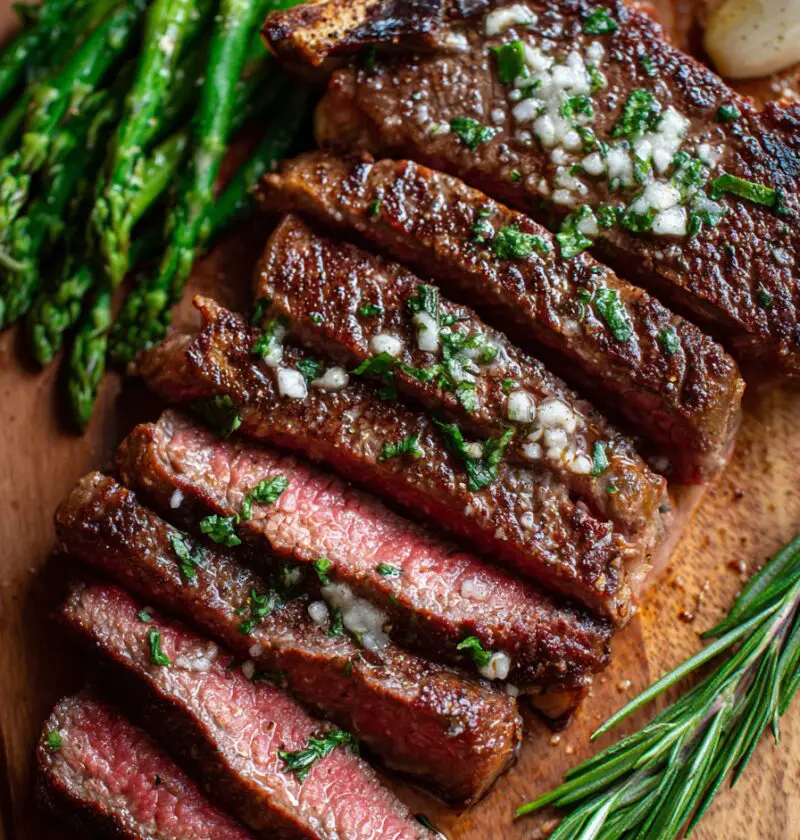
If you’re craving a restaurant-worthy Ribeye Steak Recipe that turns out juicy, tender, and full of rich beefy flavor, this one is simple, reliable, and honestly hard to beat.
A steak dinner that feels special without being fussy
There’s something about a beautifully cooked ribeye steak that makes an ordinary evening feel like a little celebration. Ribeye is known for its marbling—that fine web of fat running through the meat—and that’s exactly what gives you that buttery texture and deep flavor people rave about. When cooked well, it’s the kind of steak recipe that doesn’t need much more than salt, pepper, a hot pan, and maybe a spoonful of garlic butter if you’re feeling a little indulgent.
I’ve been making steak at home for years, and I’ll tell you this: a good ribeye recipe doesn’t have to be complicated. In fact, the simpler it is, the better it tends to be. This one works beautifully for a weekend steak dinner, a date night at home, Father’s Day, or one of those evenings when you want comfort food that still feels polished. I especially love it in cooler months with mashed potatoes and green beans, but a grilled ribeye on a warm summer evening is every bit as lovely too.
And while steak isn’t “light” food, ribeye does bring serious nutrition to the table. It’s high in protein, rich in iron, and packed with B vitamins. Pair it with vegetables or a crisp salad, and you’ve got a satisfying homemade meal that feels balanced and deeply comforting. That’s the beauty of a great homemade steak—it’s hearty, yes, but also surprisingly easy to control and customize.
Why you’ll love this recipe
- Big steakhouse flavor at home for a fraction of the cost
- Simple ingredients let the tender ribeye shine
- Works as a pan seared steak or grilled version
- Ready in about 20 minutes, not counting rest time
- Perfect for beginners who want an easy steak recipe
- Garlic butter takes it over the top without extra fuss
- Delivers a crisp crust and juicy center every time
- Easy to pair with potatoes, salad, vegetables, or bread
- Great for special occasions and weeknight dinners alike
Ingredients
For this beef steak recipe, you only need a handful of ingredients, but each one matters.
- 2 ribeye steaks, 1 to 1 1/4 inches thick (about 12 to 16 ounces each)
- 1 1/2 teaspoons kosher salt, plus more if needed
- 1 teaspoon freshly ground black pepper
- 1 tablespoon avocado oil or canola oil (high smoke point is best)
- 2 tablespoons unsalted butter
- 3 garlic cloves, lightly smashed
- 2 sprigs fresh rosemary or thyme
- 1/2 teaspoon garlic powder (optional, for extra ribeye seasoning)
- 1/2 teaspoon smoked paprika (optional, especially lovely for grilled steak)
Ingredient tips:
- Ribeye steaks: Look for even thickness and generous marbling. USDA Choice is excellent; USDA Prime is wonderful if it fits your budget.
- Kosher salt: Diamond Crystal is my usual pick because it seasons evenly. If you’re using Morton kosher salt, use a bit less.
- Black pepper: Freshly cracked pepper gives the best aroma and crust.
- Oil: Use a neutral oil with a high smoke point. Olive oil can work, but it may smoke more in a hot skillet.
- Butter: Unsalted butter gives you better control. It also makes the most delicious garlic butter steak finish.
- Fresh herbs: Rosemary gives a classic steakhouse feel. Thyme is softer and just as nice.

Directions
-
Bring the steaks closer to room temperature.
Take the ribeye steaks out of the fridge 30 to 45 minutes before cooking. Pat them very dry with paper towels. This small step helps you get that beautiful crust instead of steaming the meat. -
Season simply but thoroughly.
Sprinkle both sides of the steaks with kosher salt, black pepper, and, if using, garlic powder and smoked paprika. Press the seasoning in gently. A good ribeye seasoning should support the meat, not bury it. -
Heat your pan until it’s seriously hot.
Place a large cast iron skillet over medium-high to high heat for 3 to 5 minutes. You want the pan hot enough that a drop of water sizzles right away. A cast iron steak really shines because the heat stays steady and gives you that deep golden crust. -
Add the oil and sear the steaks.
Pour in the oil, then carefully place the steaks in the pan. You should hear a strong sizzle immediately. Cook for about 3 to 4 minutes on the first side without moving them. That stillness matters—it’s how you get that crust. -
Flip and build flavor.
Turn the steaks over and cook the second side for another 2 to 4 minutes, depending on thickness and how you like your steak cooked. Add the butter, smashed garlic, and herb sprigs to the pan during the last 2 minutes. -
Baste like the steakhouses do.
Tilt the pan slightly and spoon the melted butter over the steaks again and again for about 1 minute. This is where the magic happens. The butter foams, the garlic sweetens, the herbs perfume everything, and suddenly your kitchen smells like a proper steakhouse. -
Check for doneness.
Use an instant-read thermometer for the most reliable results. Pull the steaks at 125°F for rare, 130 to 135°F for medium-rare, 140°F for medium, and 150°F for medium-well. The temperature will rise a few degrees as the steak rests. -
Rest before slicing.
Transfer the steaks to a plate or cutting board and rest for 5 to 10 minutes. Don’t skip this part. Resting lets the juices settle back into the meat, which means a much more juicy steak. -
Slice and serve.
Slice against the grain if desired, or serve whole with the pan juices spooned over the top. Add flaky salt at the end if you like a little extra pop.
Servings & Timing
- Yield: 2 servings
- Prep Time: 10 minutes
- Rest Time: 35 to 45 minutes before cooking, plus 5 to 10 minutes after cooking
- Cook Time: 8 to 10 minutes
- Total Time: About 55 to 65 minutes, including resting
If you’re short on time, you can shorten the pre-cooking rest a bit, but don’t skip drying the steaks well. That one step makes a noticeable difference.
Variations
- Grilled ribeye: Cook over high heat, about 4 to 5 minutes per side, then finish with garlic butter.
- Coffee rub steak: Add 1 teaspoon finely ground coffee to the seasoning for a bold, slightly smoky crust.
- Cajun style: Use Cajun seasoning in place of paprika for a spicier steak cooking method.
- Blue cheese finish: Top the hot steak with a tablespoon of blue cheese for a steakhouse-style twist.
- Herb-heavy version: Add chopped parsley and thyme to the butter for a brighter finish.
- Reverse sear method: Start in a low oven until nearly done, then sear in a hot skillet for a thicker-cut ribeye.
Storage & Reheating
Store leftover steak in an airtight container in the refrigerator for up to 3 days. For longer storage, wrap it tightly and freeze for up to 2 months.
To reheat, warm the steak gently in a skillet over low heat with a small pat of butter, or place it in a 250°F oven until just heated through. Avoid microwaving if you can—it tends to toughen the meat and dull that lovely texture.
For make-ahead prep, you can season the steak up to 24 hours in advance and keep it uncovered in the fridge. That dry surface helps create an even better crust, which is a little trick worth remembering.
Notes
A few things I’ve learned after making more steak dinners than I can count:
First, thinner steaks cook much faster than people expect. If your ribeye is under 1 inch thick, shave a minute or so off each side and keep that thermometer nearby.
Second, pan temperature matters more than fancy ingredients. You can buy the prettiest steak at the market, but if the pan isn’t hot enough, you won’t get that lovely browned exterior. And that crust? That’s flavor. Real flavor.
Third, don’t crowd the pan. If you’re cooking more than two steaks, work in batches. A crowded skillet traps steam, and steam is the enemy of a good sear.
And one more thing—salt timing can be flexible. If you salt the steak right before cooking, that’s perfectly fine. If you salt it at least 45 minutes ahead, that’s great too. What you want to avoid is salting it just a little early and then letting moisture sit on the surface without enough time to reabsorb.
FAQs
What is the best way to cook ribeye steak?
A hot cast iron skillet is one of the best ways because it creates a deep crust while keeping the inside tender and juicy. Grilling is also excellent if you want smoky flavor.
How long should I cook a ribeye steak?
For a 1-inch to 1 1/4-inch steak, plan on roughly 3 to 4 minutes per side for medium-rare, though exact time depends on thickness and pan heat.
Do I need a cast iron skillet?
No, but it helps a lot. A heavy stainless steel pan can work too, though cast iron steak tends to brown more evenly and hold heat better.
Should I marinate ribeye?
Usually, no. Ribeye already has plenty of flavor and fat, so a simple salt-and-pepper approach is often better than a marinade.
How do I know when my steak is done without cutting into it?
Use an instant-read thermometer. It’s the easiest, most accurate way to avoid guesswork and keep your tender ribeye from overcooking.
Why didn’t my steak get a crust?
Most likely the steak was too wet, the pan wasn’t hot enough, or the pan was overcrowded. Dry steak plus high heat is the winning combo.
Can I make this garlic butter steak on the grill?
Absolutely. Grill the steak first, then spoon garlic herb butter over the top while it rests for that same rich finish.
What should I serve with ribeye steak?
Mashed potatoes, roasted asparagus, sautéed mushrooms, creamed spinach, a wedge salad, or even simple crusty bread all pair beautifully with this steak dinner.
Conclusion
This Ribeye Steak Recipe is everything a good homemade steak should be—simple, deeply flavorful, juicy, and satisfying. Whether you make it as a pan seared steak in a cast iron skillet or turn it into a grilled ribeye for summer supper, it’s a reliable favorite you’ll come back to again and again.
If you try it, I’d love for you to leave a comment and share how you served it. And if you’re planning a full dinner, take a peek at your favorite sides and sauces—because a great steak deserves a great supporting cast.