Recipe With Lemon Curd (My Creamy, Tangy, Make-It-Once-Use-It-On-Everything Recipe)
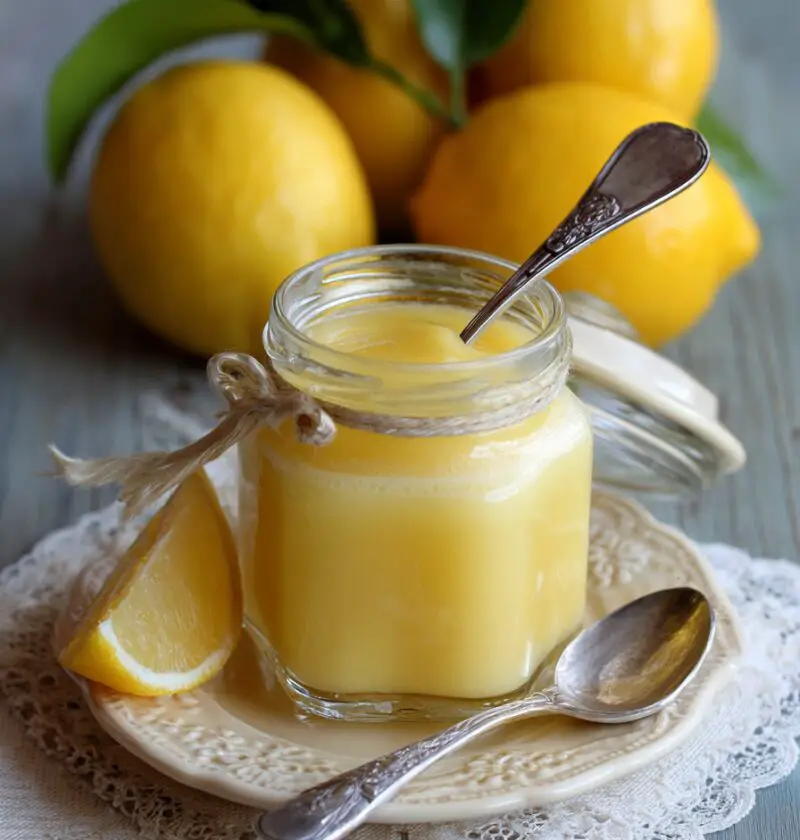
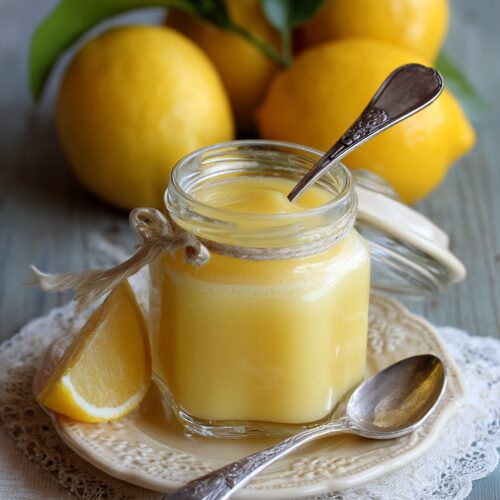
This Recipe With Lemon Curd is bright, silky, sweet-tart, and ready to spoon over pancakes, tuck into tarts, swirl into yogurt, or simply eat straight from the jar with a spoon—no judgment from me.
I’m 50 now, which means I’ve cooked through a lot of trends, but I will tell you this: a good classic lemon curd recipe never goes out of style. This homemade lemon curd is the one I come back to every single spring, and again when the holidays roll around. It’s creamy, tangy lemon curd with that just-right balance of butter, sugar, and fresh lemon juice, and it doubles as a quick lemon curd filling for cakes, tarts, lemon curd bars, or even thumbprint cookies.
When my kids were little, I’d make a batch on Saturday morning, and by Monday it would be gone—spread on toast, dolloped on waffles, turned into lemon curd parfaits with Greek yogurt and granola. So this isn’t just a recipe with lemon curd; it’s a base for a dozen easy lemon curd desserts and brunch ideas that make you look impressively put-together with very little effort.
Why You’ll Love This Recipe With Lemon Curd
- Foolproof and smooth – No curdled eggs, no lumps; this easy lemon curd cooks up silky if you follow my simple cues.
- Everyday ingredients – Just lemons, sugar, butter, and eggs—no cornstarch, no special tools, and definitely no fancy equipment.
- Fast enough for weeknights – About 15 minutes of active cooking and you’re done; it just needs a little chill time.
- Multi-purpose magic – Use it as lemon curd filling for cakes, lemon curd tartlets, lemon curd cookies, or as a lemon curd topping on ice cream and yogurt.
- Make-ahead friendly – Keeps beautifully in the fridge, so you can prep it days before a brunch, shower, or holiday dessert.
- Bright but not harsh – The balance of sugar, egg yolks, and butter gives you creamy lemon curd that’s tangy, not sour.
- Small-batch or double-batch ready – Recipe scales cleanly, so you can make just enough for Sunday scones or a big batch for gifting.
- Perfect for “lazy fancy” desserts – Layer it with store-bought pound cake for a lemon curd trifle or spoon onto frozen waffles for a quick lemon curd brunch moment.
Ingredients
This is my go-to ingredient list for classic homemade lemon curd that’s rich, glossy, and spreadable.
- 4 large egg yolks (room temperature if possible, for smoother mixing)
- 1 large whole egg (adds body and stability)
- 3/4 cup (150 g) granulated sugar
- 1/2 cup (120 ml) fresh lemon juice – about 3–4 medium lemons; use freshly squeezed for the best tangy lemon curd
- 1 tablespoon finely grated lemon zest – preferably from organic lemons, since you’re using the peel
- Pinch of fine sea salt – just enough to round out the flavor
- 6 tablespoons (85 g) unsalted butter, cold and cut into small cubes – cold butter helps emulsify and cool the curd quickly
Ingredient tips:
- Lemons: Look for lemons that feel heavy for their size—more juice, more flavor. Meyer lemons will give you a sweeter, softer lemon curd; regular Eureka or Lisbon lemons give that classic tart lemon curd punch.
- Butter: Unsalted lets you control the salt level. If you only have salted butter, skip the pinch of salt.
- Eggs: Use fresh, good-quality eggs; they’re doing all the thickening work here. Older eggs can be more watery.
Directions (Step-by-Step Lemon Curd That Won’t Curdle)
-
Set up your tools first
Grab a medium, heavy-bottomed saucepan, a whisk, a heatproof spatula, and a fine-mesh strainer. Place a clean glass jar or bowl nearby. Having everything ready before you turn on the heat makes this recipe with lemon curd much less stressful. -
Whisk together eggs and sugar
In the saucepan (off the heat), whisk the egg yolks, whole egg, and sugar until the mixture is smooth, thickened slightly, and lightened in color—about 1–2 minutes. This step helps prevent the eggs from scrambling when you add the lemon juice. -
Add lemon juice, zest, and salt
Whisk in the lemon juice, lemon zest, and pinch of salt until fully combined. It’ll look thin at this stage; that’s normal. Taste a tiny bit—you’ll get that bright lemon curd flavor starting to peek through already. -
Cook low and slow
Place the pan over medium-low heat. Cook the mixture, whisking constantly, for 8–12 minutes. The goal is gentle, steady heat—not boiling. If you see steam and small bubbles forming around the edges, you’re in the right zone. Constant whisking keeps the eggs from catching on the bottom. -
Watch for the “spoon test”
When the curd thickens enough to coat the back of a spoon, and a finger swiped through leaves a clean line, it’s ready. It should look glossy and feel like a loose pudding. Don’t wait for it to be super thick; it will firm up more as it cools. -
Remove from heat and add butter
Take the pot off the burner. Immediately add the cold butter cubes, a few at a time, whisking or stirring with the spatula until each addition melts and incorporates. This cools the lemon curd, gives it a creamy texture, and creates that luxurious, almost custardy mouthfeel. -
Strain for ultra-smooth curd
Pour the hot lemon curd through the fine-mesh strainer into your clean bowl or jar, using the spatula to press it through. This step catches any bits of cooked egg and zest, giving you silky, bakery-style creamy lemon curd. Don’t skip it if you want that professional look. -
Cool with a cover
Press a piece of plastic wrap or parchment directly on the surface of the lemon curd to prevent a skin from forming. Let it cool at room temperature for about 30 minutes, then transfer it to the fridge for at least 2 hours, or until fully chilled and thick. -
Stir and serve
Once chilled, give it a quick stir. Now your homemade lemon curd is ready for everything from lemon curd cake filling to spooning over ice cream or using as a lemon curd spread for toast and scones.
Servings & Timing
- Yield: About 1 1/2 cups lemon curd (enough for one 9-inch tart, a generous cake filling, or several parfaits)
- Prep Time: 10 minutes (zesting/juicing lemons, separating eggs)
- Cook Time: 10–12 minutes on the stove
- Chill Time: At least 2 hours (for best texture)
- Total Time: About 2 hours 30 minutes (mostly inactive, with only ~15–20 minutes of hands-on work)
Easy Ways To Use This Recipe With Lemon Curd
You know what? This is where lemon curd really shines. Once you’ve got a jar of this in the fridge, desserts and brunch treats practically assemble themselves. Here are some of my favorite “lazy but impressive” ideas:
- Lemon Curd Parfait: Layer lemon curd with Greek yogurt and granola in a glass—instant lemon curd parfait that looks like something from a café.
- Lemon Curd Pancakes & Waffles: Spoon warm lemon curd over pancakes or waffles instead of syrup for a special lemon curd brunch twist.
- Lemon Curd Yogurt Swirl: Swirl a spoonful into plain yogurt with fresh berries for a quick, bright breakfast.
- Lemon Curd Topping for Ice Cream: Use it as a lemon curd sauce over vanilla ice cream or frozen yogurt; it tastes like lemon meringue pie in a bowl.
- Lemon Curd Filling: Spread it between cake layers, inside cupcakes, in lemon curd tart shells, or as a filling for lemon curd cookies and pastries.
Variations – Fun Twists on Classic Lemon Curd
If you’re like me and enjoy tinkering, here are some easy variations you can try with this base recipe with lemon curd:
- Meyer Lemon Curd: Substitute regular lemons with Meyer lemons for a sweeter, more floral lemon curd that’s gorgeous in tarts and lemon curd tartlets.
- Lemon-Lime Curd: Swap 2–3 tablespoons of the lemon juice for fresh lime juice to make a citrus curd that tastes like sunshine and works beautifully in lemon curd bars.
- Honey Lemon Curd: Replace 1/4 of the sugar with mild honey for a softer, slightly earthy sweetness; it’s lovely as a lemon curd spread on biscuits.
- Dairy-Free Lemon Curd: Use high-quality vegan butter in place of regular; the texture stays creamy, and it makes a great filling for dairy-free lemon curd cheesecake cups.
- Extra-Rich Lemon Curd: Add one additional egg yolk for a thicker, more decadent curd that’s ideal as lemon curd frosting or cupcake filling.
- Lavender Lemon Curd: Warm the lemon juice with 1 teaspoon dried culinary lavender, strain, and then proceed; it makes a beautiful, delicate lemon curd for tea-time scones.
Storage & Make-Ahead Tips
A good recipe with lemon curd should fit real life, not just party days. Here’s how to keep it fresh and ready:
- Fridge: Store cooled lemon curd in a clean, airtight jar or container. It keeps well in the refrigerator for 7–10 days.
- Freezer: Lemon curd freezes surprisingly well. Transfer to a freezer-safe container, leaving a little space at the top, and freeze for up to 3 months.
- Thawing: Thaw frozen lemon curd overnight in the fridge. Give it a good stir before using; it may look slightly separated at first but will come back together.
- Make-ahead for events: For lemon curd cake, lemon curd pastries, or lemon curd tart, make the curd up to 3 days in advance. This gives it plenty of time to chill and set, and it saves you a bit of day-of chaos.
- Reheating: If you want it slightly warm as a lemon curd sauce or topping, gently warm in a small saucepan over low heat while stirring, or microwave in 10-second bursts, stirring each time so it doesn’t overheat.
Notes From My Kitchen (Little Things That Matter)
- Low heat is your friend: If your stove runs hot, don’t be shy about dropping the heat to low. Slower, gentler cooking makes a big difference in avoiding scrambled-egg curd.
- Whisk constantly, but not frantically: There’s no need to beat it half to death; just keep the mixture moving so no part sits still on the bottom too long.
- Straining is worth the extra dish: I resisted this step for years. Once I started straining, my lemon curd turned into what my husband calls “bakery-level lemon curd”—smooth, glossy, restaurant-worthy.
- Adjusting sweetness: If you like a sharper, more tangy lemon curd, you can reduce the sugar by 1–2 tablespoons once you’ve tried the base recipe and know your taste.
- Zest first, juice second: Always zest your lemons before you cut and juice them; it’s almost impossible to zest a squashed lemon half (ask me how I know).
- Use it as “glue”: A thin layer of lemon curd on cake layers keeps them moist and adds a bright note—especially helpful with simple vanilla or chiffon cakes.
FAQs About This Recipe With Lemon Curd
1. Why did my lemon curd turn out runny?
It likely didn’t cook long enough; keep it over gentle heat until it thickens enough to coat the back of a spoon, and remember it thickens more as it chills.
2. How do I fix lumpy or curdled lemon curd?
Strain it through a fine-mesh sieve while it’s still warm; if it’s very curdled, blend it with an immersion blender and then strain.
3. Can I use bottled lemon juice instead of fresh?
You can, but fresh lemon juice gives a brighter, cleaner flavor—bottled juice can taste flat and slightly bitter, so I recommend fresh for the best lemon curd dessert results.
4. Is lemon curd safe at room temperature?
Lemon curd contains eggs and should be refrigerated; it’s fine sitting out for up to 2 hours during serving, but long-term storage should always be in the fridge.
5. Can I reduce the sugar for a less sweet lemon curd?
Yes, you can cut up to about 2 tablespoons of sugar without affecting texture much, but going further may make the curd too tart and slightly thinner.
6. Can I use this as a lemon curd pie or tart filling?
Absolutely—pour the cooled lemon curd into a baked tart shell or graham cracker crust, chill until set, and you’ve got a quick lemon curd tart or pie.
7. How do I turn this into lemon curd frosting?
Beat 1/2 cup chilled lemon curd into 1 cup softened butter, then add powdered sugar until fluffy; it makes a gorgeous tart-sweet lemon curd frosting for cupcakes or layer cakes.
8. Is this recipe with lemon curd gluten-free?
Yes, the lemon curd itself is naturally gluten-free; just pair it with gluten-free pancakes, tarts, or cookies if you need the entire dessert to be gluten-free.
Conclusion – A Jar of Sunshine in Your Fridge
This Recipe With Lemon Curd is one of those simple, reliable recipes that quietly makes your kitchen feel a little more special. It’s classic, creamy, tangy, and endlessly useful—whether you’re layering it into a lemon curd trifle, swirling it through yogurt, or turning a plain store-bought pound cake into a showy lemon curd dessert.
If you make this, I’d love to hear how you used it—did it end up in lemon curd pancakes, lemon curd muffins, or straight off the spoon? Leave a comment, rate the recipe, and then poke around for more lemony treats and easy brunch ideas to keep that jar of sunshine working overtime.
Recipe With Lemon Curd (My Creamy, Tangy, Make-It-Once-Use-It-On-Everything Recipe)
Ingredients
- 4 large egg yolks room temperature if possible, for smoother mixing
- 1 large egg whole egg; adds body and stability
- 3/4 cup granulated sugar about 150 g
- 1/2 cup fresh lemon juice about 3–4 medium lemons; freshly squeezed for best flavor
- 1 tablespoon lemon zest finely grated; preferably from organic lemons
- 1 pinch fine sea salt just enough to round out the flavor
- 6 tablespoons unsalted butter about 85 g; cold and cut into small cubes
- plastic wrap or parchment paper for covering the surface while cooling, to prevent a skin
Instructions
- Set out a medium heavy-bottomed saucepan, a whisk, a heatproof spatula, and a fine-mesh strainer. Place a clean glass jar or bowl nearby for the finished lemon curd.
- Off the heat, add the egg yolks, whole egg, and granulated sugar to the saucepan. Whisk until the mixture is smooth, slightly thickened, and lightened in color, about 1–2 minutes.4 large egg yolks, 1 large egg, 3/4 cup granulated sugar
- Whisk in the fresh lemon juice, lemon zest, and a pinch of fine sea salt until fully combined. The mixture will be thin at this stage.1/2 cup fresh lemon juice, 1 tablespoon lemon zest, 1 pinch fine sea salt
- Place the saucepan over medium-low heat. Cook the mixture, whisking constantly, for 8–12 minutes. Maintain gentle, steady heat; you should see light steam and small bubbles around the edges but no vigorous boiling.
- Cook until the lemon curd is thick enough to coat the back of a spoon and a finger swiped through leaves a clean line. It should look glossy and have the texture of loose pudding; it will thicken more as it cools.
- Remove the pan from the heat. Add the cold butter cubes a few at a time, whisking or stirring with the spatula until each addition is fully melted and incorporated, creating a smooth, creamy curd.6 tablespoons unsalted butter
- Pour the hot lemon curd through a fine-mesh strainer into the clean bowl or jar, using the spatula to press it through. Discard any solids left in the strainer.
- Press a piece of plastic wrap or parchment directly onto the surface of the lemon curd to prevent a skin from forming. Let it cool at room temperature for about 30 minutes, then refrigerate for at least 2 hours, or until fully chilled and thickened.plastic wrap or parchment paper
- Once chilled, remove the cover and give the lemon curd a quick stir. Use as a spread, topping, or filling for cakes, tarts, bars, pancakes, waffles, yogurt, or ice cream.