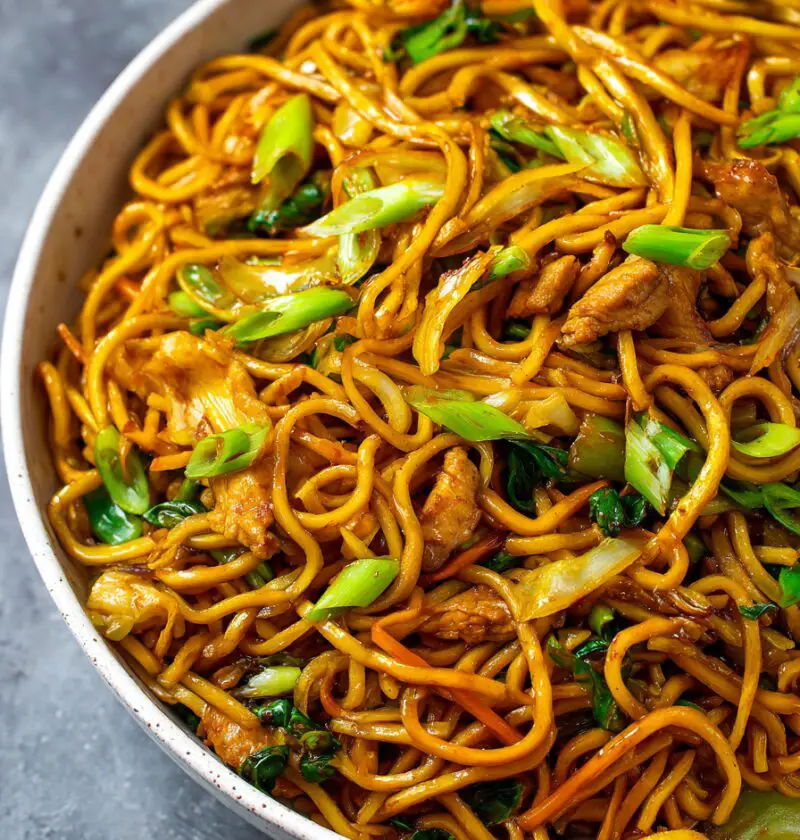
Panda Express Chow Mein Recipe
If you’ve ever wished you could make that saucy, slightly chewy, takeout-style Panda Express chow mein at home, this Panda Express Chow Mein Recipe is going to make your weeknights a whole lot happier—and a lot more budget-friendly.
I’m a 50-year-old mom who has done her fair share of “What’s for dinner?” panic at 5:30 p.m. This copycat chow mein recipe tastes just like your favorite Panda Express chow mein, uses simple pantry ingredients, and comes together fast in one skillet. It’s a restaurant style chow mein that still feels homemade and cozy—my favorite combo.
What Makes This Panda Express Chow Mein Recipe So Good?
Chow mein is a classic Chinese stir fry noodles dish: tender noodles tossed with stir fried cabbage, celery, and carrots in a savory soy sauce–based glaze. The Panda Express version is simple but addictive. It’s salty, a little sweet, and packed with that nostalgic “mall food court” flavor so many of us secretly (or not so secretly) love.
This homemade Panda Express chow mein copycat keeps all of that takeout flavor, but you control the ingredients:
- Less oil and less sodium than takeout
- Plenty of vegetables
- Customizable noodles and add-ins
I like to make a big skillet of these Chinese stir fry noodles on busy weeknights. Sometimes it’s the main event with some quick sautéed shrimp or leftover rotisserie chicken stirred in. Other times I serve it as a side dish with grilled teriyaki chicken or baked tofu. Either way, it’s a quick weeknight dinner that gets everyone to the table without complaints.
You know what? My grown kids still request this when they come home to visit—right alongside my meatloaf and chocolate cake. That tells you something.
Why You’ll Love This Recipe
- Tastes just like takeout – This Panda Express Chow Mein recipe is a spot-on copycat: saucy, savory, and full of familiar flavor.
- Simple ingredients – You’ll find everything at a regular grocery store—no specialty market required.
- 30-minute meal – From chopping to serving, this is a quick weeknight dinner the whole family can handle.
- Family friendly – Mild, not spicy, with soft yet chewy noodles that kids and picky eaters tend to love.
- Budget-conscious – Making your own homemade Panda Express chow mein costs a fraction of ordering for a family.
- Customizable protein – Toss in chicken, shrimp, tofu, or leftover roast pork to turn it into a full one-pan meal.
- Great for meal prep – Leftovers reheat beautifully for lunches or next-day dinners.
- Flexible noodles – Works with yakisoba, lo mein, or even spaghetti if that’s what you’ve got.
Ingredients
Here’s what you’ll need for this restaurant style chow mein. I’ve added notes and substitutions so you can adjust based on what’s in your pantry.
For the Noodles and Veggies
- 14–16 oz chow mein noodles or yakisoba noodles
- Look for “stir-fry noodles” or “yakisoba” in the refrigerated or Asian section. If you can’t find them, use:
- Substitution: 12 oz thin spaghetti or linguine, cooked al dente and rinsed under cold water.
- 2 tbsp neutral oil (canola, vegetable, or avocado)
- 1 medium yellow onion, thinly sliced (about 1 cup)
- 2–3 stalks celery, thinly sliced on a bias (about 1 cup)
- 2 cups shredded green cabbage
- You can cheat and use bagged coleslaw mix; it works perfectly.
- 1 medium carrot, julienned or shredded (about ½ cup)
- 3 cloves garlic, minced
- 1–2 green onions, sliced (for garnish; optional but pretty and tasty)
For the Panda Express–Style Chow Mein Sauce
- ¼ cup low-sodium soy sauce (I like Kikkoman or San-J)
- 2 tbsp oyster sauce (Lee Kum Kee is a good, widely available brand)
- Vegetarian: Use vegetarian oyster sauce or hoisin sauce instead.
- 1 tbsp brown sugar, packed
- 1 tbsp sesame oil (toasted for best flavor)
- ¼ cup water or low-sodium chicken broth
- 1 tsp fresh ginger, grated (or ¼ tsp ground ginger)
- ½ tsp black pepper
- ½–1 tsp cornstarch (optional, for a slightly thicker, more glossy sauce)
A Few Ingredient Tips
- Noodles: Don’t overcook them. You want them just tender; they’ll soften more when stir-fried.
- Cabbage: The thinner you slice it, the faster it wilts and the more “Panda Express chow mein”–like your texture will be.
- Soy sauce: Low-sodium gives you better control over saltiness. You can always add a little more at the end.
- Sesame oil: This goes in at the end or in the sauce; it’s for flavor, not for frying, so don’t skip it if you can help it.
Directions
-
Cook the noodles
Cook your chow mein or yakisoba noodles according to package instructions just until al dente. If using spaghetti, salt the water lightly and cook until just tender. Drain and rinse under cold water to stop the cooking, then toss with a tiny drizzle of oil so they don’t stick. Set aside. -
Whisk the sauce
In a small bowl or measuring cup, whisk together soy sauce, oyster sauce, brown sugar, sesame oil, water or broth, ginger, black pepper, and cornstarch (if using). Taste a drop—this sauce should be strong and salty, since it’s seasoning all the noodles and veggies. -
Heat your skillet or wok
Place a large skillet or wok over medium-high heat. Add 2 tablespoons of neutral oil and let it heat until it shimmers. A hot pan is key for that “stir fry” flavor, so don’t rush this part. -
Cook the aromatics and celery
Add sliced onion and celery to the hot pan. Stir-fry for 3–4 minutes until the onion starts to soften and the celery is crisp-tender. If they brown a little on the edges, that’s great flavor. -
Add cabbage and carrots
Toss in shredded cabbage and carrots. Stir-fry for another 3–4 minutes, just until the cabbage begins to wilt but still has some bite. You want vibrant, slightly tender vegetables—not mushy ones. -
Stir in garlic
Add minced garlic and cook for 30 seconds, stirring constantly, until fragrant. Don’t walk away here; garlic goes from golden to burnt quickly. -
Add the noodles
Add the cooked, cooled noodles to the skillet. Use tongs to gently lift and toss them with the vegetables. It’s normal if they clump a little at first—just keep tossing and separating them. -
Pour in the sauce
Give your Panda Express chow mein sauce a quick stir (the cornstarch settles) and pour it evenly over the noodles and veggies. Toss continuously for 2–4 minutes, until everything is well coated, the sauce thickens slightly, and the noodles are glossy and hot. -
Taste and adjust
Taste a few noodles. If you want more saltiness, add a splash of soy sauce. For a touch more sweetness, add a pinch of brown sugar. If it seems a tad dry, drizzle in a tablespoon or two of water and toss again. -
Finish and serve
Turn off the heat. Sprinkle with sliced green onions. Serve hot straight from the pan—this chow mein recipe is best nice and warm, when the noodles are still bouncy and the vegetables are bright.
Servings & Timing
- Yield: About 4 servings as a main dish, 6 as a side
- Prep Time: 15 minutes (including chopping veggies and whisking sauce)
- Cook Time: 10–15 minutes
- Total Time: About 25–30 minutes
This makes a fantastic quick weeknight dinner, but it also works for potlucks or family gatherings when you need a reliable, crowd-pleasing Asian noodle recipe that holds up well on a buffet.
Fun Variations on This Copycat Noodle Dish
You can keep this as a classic Panda Express chow mein copycat or play a little. Here are some of my favorite twists:
- Chicken Chow Mein: Stir-fry thinly sliced chicken breast or thigh in the pan first, remove, then add it back in with the noodles.
- Spicy Garlic Version: Add 1–2 teaspoons of sriracha or chili garlic sauce to the chow mein sauce for a gentle kick.
- Vegetarian & Vegan: Use vegetarian oyster sauce or hoisin, and swap in vegetable broth; top with crispy tofu cubes.
- Extra Veggie Chow Mein: Toss in snap peas, bell peppers, or mushrooms for a more colorful, fiber-packed noodle dish.
- Beef or Shrimp Chow Mein: Sear thin strips of flank steak or cleaned shrimp before the veggies, then add back with the noodles.
- Gluten-Free Twist: Use gluten-free tamari and rice noodles or certified gluten-free spaghetti (texture is slightly different but still delicious).
Storage & Reheating
One of my favorite things about this chow mein recipe is how well it keeps. It’s a meal prep star.
- Store: Let the noodles cool completely, then transfer to an airtight container. Refrigerate for up to 3–4 days.
- Reheat on the stove: Add a small splash of water or broth to a skillet, then add the chow mein. Warm over medium heat, tossing gently, until hot.
- Reheat in the microwave: Place in a microwave-safe bowl, sprinkle with a teaspoon or so of water, cover loosely, and heat in 30–45 second bursts, stirring in between.
- Freezer: You can freeze it for up to 1 month, but the noodles soften more. I personally prefer it fresh or refrigerated.
- Make-ahead tip: You can cook the noodles and prep all veggies and sauce up to 1–2 days in advance. Store each component separately in the fridge, then stir fry right before serving for the freshest texture.
Notes from My Kitchen to Yours
- Don’t over-sauce the pan: It’s tempting to double the sauce, but too much can make the noodles soggy instead of lightly coated. If you want extra, make a little on the side and pass it at the table.
- Use high heat, but not smoking: Medium-high heat gives the stir-fried flavor without burning the vegetables. If your oil smokes a lot, lower the heat just a notch.
- Texture matters: The secret to that takeout style noodles feel is contrast—slightly chewy noodles, tender cabbage, and crisp celery. Keep an eye on those veggies; they don’t need long.
- Salt awareness: Between soy sauce and oyster sauce, this soy sauce noodle dish can get salty quickly. That’s why low-sodium soy sauce is my go-to. Taste before adding extra.
- Batch size: If you double the recipe, cook in two batches or use a very large wok. Overcrowding the pan steams the noodles instead of giving them that tasty stir fry vibe.
- Wok vs. skillet: A wok is wonderful, but a big, heavy skillet (like a 12-inch stainless or cast iron) works just as well. Use what you have; don’t feel pressured to buy special gear.
And a small personal note: when my kids were teenagers, I used this exact chow mein recipe as a “starter dish” to teach them basic cooking—knife skills, heat control, seasoning. It’s forgiving, but it still teaches you a lot.
FAQs
1. What kind of noodles should I use for Panda Express chow mein?
Use chow mein or yakisoba noodles labeled for stir frying if you can find them. If not, thin spaghetti or linguine cooked al dente is a very good backup for this Panda Express Chow Mein Recipe.
2. Can I make this chow mein recipe without oyster sauce?
Yes. Replace the oyster sauce with hoisin sauce or vegetarian oyster sauce for a similar sweet-savory depth; just taste and adjust the soy sauce and sugar.
3. How do I keep the noodles from sticking and clumping?
Rinse cooked noodles under cold water, toss with a little oil, and add them to the pan when the sauce and veggies are ready. Use tongs to gently separate them as you stir fry.
4. Is this homemade Panda Express chow mein spicy?
No, the base recipe is not spicy at all. If you want heat, add chili garlic sauce, crushed red pepper, or sriracha to the sauce.
5. Can I add meat or tofu directly to this recipe?
Absolutely. Stir fry thinly sliced chicken, beef, shrimp, or cubes of tofu first, set aside, and then add them back in with the noodles and sauce.
6. How do I keep the vegetables from getting soggy?
Use high (but controlled) heat, don’t overcrowd the pan, and cook the veggies just until crisp-tender. Cabbage should be slightly wilted but not limp.
7. Can I lower the sodium in this copycat noodle dish?
Yes. Use low-sodium soy sauce, reduce the oyster sauce slightly, and add a splash of water or broth. Taste as you go rather than adding extra salt.
8. What can I serve with this Panda Express Chow Mein Recipe?
It pairs well with orange chicken, teriyaki salmon, baked tofu, potstickers, or a simple cucumber salad for something cool and crunchy on the side.
Conclusion
This easy chow mein recipe brings all the flavor of your favorite Panda Express chow mein straight to your kitchen—chewy noodles, savory sauce, and tender stir fried cabbage and carrots, all in about 30 minutes. It’s a cozy, family friendly meal that feels like takeout but tastes a little fresher and lighter.
Give this Panda Express Chow Mein Recipe a try on your next busy weeknight, then come back and tell me how it went—what noodles you used, what veggies you added, and who went back for seconds. If you loved it, you might also enjoy exploring more Asian noodle recipes and takeout-style favorites for your own “restaurant at home” nights.
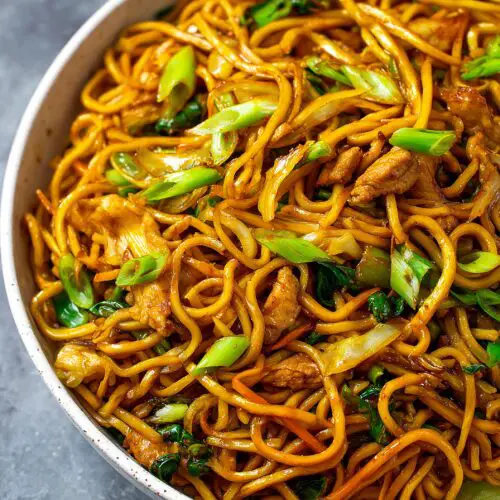
Panda Express Chow Mein (Copycat)
Ingredients
- 14-16 oz chow mein noodles or yakisoba noodles or 12 oz thin spaghetti/linguine, cooked al dente and rinsed
- 2 tbsp neutral oil such as canola, vegetable, or avocado oil
- 1 medium yellow onion thinly sliced (about 1 cup)
- 2-3 stalks celery thinly sliced on a bias (about 1 cup)
- 2 cups green cabbage shredded; bagged coleslaw mix works well
- 1 medium carrot julienned or shredded (about 1/2 cup)
- 3 cloves garlic minced
- 1-2 green onions sliced, for garnish (optional)
- 1/4 cup low-sodium soy sauce
- 2 tbsp oyster sauce or vegetarian oyster sauce/hoisin for a vegetarian version
- 1 tbsp brown sugar packed
- 1 tbsp sesame oil toasted, for best flavor
- 1/4 cup water or low-sodium chicken broth
- 1 tsp fresh ginger grated, or 1/4 tsp ground ginger
- 1/2 tsp black pepper
- 1/2-1 tsp cornstarch optional, for a slightly thicker, glossy sauce
Instructions
- Cook chow mein or yakisoba noodles according to package directions just until al dente. If using spaghetti, lightly salt the water and cook until just tender. Drain, rinse under cold water to stop cooking, then toss with a small drizzle of oil to prevent sticking. Set aside.14-16 oz chow mein noodles or yakisoba noodles
- In a small bowl or measuring cup, whisk together soy sauce, oyster sauce, brown sugar, sesame oil, water or broth, ginger, black pepper, and cornstarch (if using). Taste a drop; it should be strong and salty since it will season all the noodles and vegetables.1/4 cup low-sodium soy sauce, 2 tbsp oyster sauce, 1 tbsp brown sugar, 1 tbsp sesame oil, 1/4 cup water or low-sodium chicken broth, 1 tsp fresh ginger, 1/2 tsp black pepper, 1/2-1 tsp cornstarch
- Place a large skillet or wok over medium-high heat. Add the neutral oil and heat until it shimmers. A hot pan is important for good stir-fry flavor.2 tbsp neutral oil
- Add sliced onion and celery to the hot pan. Stir-fry for 3–4 minutes, until the onion starts to soften and the celery is crisp-tender and lightly browned in spots.1 medium yellow onion, 2-3 stalks celery
- Add shredded cabbage and carrots. Stir-fry for another 3–4 minutes, just until the cabbage begins to wilt but still has some bite and the vegetables are vibrant, not mushy.2 cups green cabbage, 1 medium carrot
- Add minced garlic and cook for about 30 seconds, stirring constantly, until fragrant. Do not let the garlic burn.3 cloves garlic
- Add the cooked, cooled noodles to the skillet. Use tongs to gently lift and toss them with the vegetables, breaking up any clumps as you go.14-16 oz chow mein noodles or yakisoba noodles
- Give the sauce a quick stir, then pour it evenly over the noodles and vegetables. Toss continuously for 2–4 minutes, until everything is well coated, the sauce has thickened slightly, and the noodles are glossy and hot.1/4 cup low-sodium soy sauce, 2 tbsp oyster sauce, 1 tbsp brown sugar, 1 tbsp sesame oil, 1/4 cup water or low-sodium chicken broth, 1 tsp fresh ginger, 1/2 tsp black pepper, 1/2-1 tsp cornstarch
- Taste a few noodles. If needed, add a splash more soy sauce for saltiness, a pinch of brown sugar for sweetness, or a tablespoon or two of water if the noodles seem dry. Toss to combine.1/4 cup low-sodium soy sauce, 1 tbsp brown sugar, 1/4 cup water or low-sodium chicken broth
- Turn off the heat. Sprinkle with sliced green onions, if using. Serve hot, straight from the pan, while the noodles are bouncy and the vegetables are bright.1-2 green onions