Pan Seared Ribeye Steak Recipe
If you’ve been craving a steakhouse-worthy dinner without leaving the house, this Pan Seared Ribeye Steak Recipe is the one to make—quick, juicy, deeply flavorful, and finished with a golden garlic butter that tastes downright special.
A steakhouse favorite, right from your skillet
There’s something timeless about a good ribeye. It’s rich, beautifully marbled, and when cooked properly, it gives you that tender, beefy bite people usually associate with an expensive restaurant meal. This pan seared ribeye steak recipe brings all of that home with one skillet, a few pantry staples, and a method that’s easy enough for a weeknight but impressive enough for company.
I’ve made a lot of steak over the years—on the grill in summer, under the broiler when I was in a hurry, even in the slow cooker once, which I do not recommend for ribeye, bless it. But when I want a reliable, foolproof, restaurant style steak with a gorgeous crispy steak crust and a buttery finish, I always come back to the stovetop. A hot cast iron pan, a well-seasoned ribeye, and just enough patience to let the meat rest before slicing—that’s where the magic happens.
And let me tell you, ribeye has a lot going for it besides flavor. Because of its marbling, it stays juicy and forgiving, which makes it one of the best cuts for home cooks. You don’t need a complicated marinade. You don’t need fancy ingredients. You need heat, timing, and confidence. That’s it.
This is the kind of steak dinner recipe I love serving with mashed potatoes in the winter, a crisp salad in spring, or grilled corn in the summer. It’s flexible, comforting, and it feels like a treat every single time.
Why You’ll Love This Recipe
- Ready fast – perfect when you want a satisfying dinner without a lot of fuss.
- Big steakhouse flavor – that classic seared crust and buttery finish are hard to beat.
- No grill needed – this is a true stovetop steak recipe.
- Works beautifully in cast iron – ideal for a cast iron ribeye with even heat.
- Juicy every time – ribeye’s natural marbling helps create a juicy ribeye steak.
- Simple ingredients – salt, pepper, butter, garlic, and fresh herbs do the heavy lifting.
- Easy to customize – change the herbs, add spice, or keep it classic.
- Perfect for date night or Sunday supper – fancy enough to impress, easy enough to repeat.
- Beginner-friendly – if you’ve been nervous about making pan seared steak, this method keeps it straightforward.
- Pairs with almost anything – from roasted vegetables to creamy potatoes to crusty bread.
Ingredients
Here’s what you’ll need for this homemade ribeye steak recipe:
-
2 ribeye steaks, 1 to 1 1/2 inches thick (about 12 to 16 ounces each)
Choose steaks with good marbling and even thickness for the best tender ribeye steak. Boneless works easiest, but bone-in is lovely too. -
1 1/2 teaspoons kosher salt
Diamond Crystal is my go-to because it seasons evenly. If using table salt, use less. -
1 teaspoon freshly ground black pepper
Fresh-cracked pepper gives the best flavor and helps build that classic crust. -
1 tablespoon avocado oil or canola oil
Use a neutral oil with a high smoke point. Olive oil can work, but it may smoke more. -
2 tablespoons unsalted butter
This gives you that rich steak with butter finish. If using salted butter, reduce the salt a touch. -
3 garlic cloves, smashed
Smashed garlic perfumes the butter without burning as quickly as minced garlic. -
2 to 3 sprigs fresh thyme or rosemary
Either one works beautifully. Thyme is a little gentler; rosemary is more bold. -
Optional: 1/2 teaspoon garlic powder
A nice little backup layer of flavor if you want an especially savory garlic butter steak. -
Optional for serving: flaky sea salt, chopped parsley, lemon wedges
Flaky salt adds crunch and pop. A little lemon brightens the richness, especially if serving with vegetables.

Directions
-
Bring the steaks to room temperature.
Take the ribeye steaks out of the fridge 30 to 40 minutes before cooking. Pat them very dry with paper towels—this matters more than people think. A dry surface helps create that deep brown crispy steak crust instead of a gray, steamed exterior. -
Season generously.
Sprinkle both sides of the steaks with kosher salt and black pepper. If you like, add a light dusting of garlic powder. Press the seasoning in gently so it adheres well. -
Heat your skillet until it’s properly hot.
Set a large cast iron skillet over medium-high to high heat for 4 to 5 minutes. The pan should be hot enough that a drop of water sizzles right away. For a true ribeye in skillet experience, don’t rush this step. -
Add oil and place in the steaks.
Add the avocado oil, then lay the steaks into the skillet away from you. You should hear a strong sizzle immediately. Let them cook undisturbed for 3 to 4 minutes. Don’t move them around—seriously, leave them be. That stillness helps the crust form. -
Flip and sear the second side.
Turn the steaks with tongs and cook another 2 to 4 minutes, depending on thickness and your preferred doneness. For many 1-inch ribeyes, medium-rare lands around 130°F to 135°F after resting. If you like numbers, medium is usually closer to 140°F to 145°F. -
Add butter, garlic, and herbs.
Lower the heat slightly. Add the butter, smashed garlic, and thyme or rosemary to the skillet. As the butter melts and foams, tilt the pan a bit and spoon the butter over the steaks for 1 to 2 minutes. This basting step gives you that classic garlic butter steak finish and helps the top stay moist and flavorful. -
Check for doneness.
Use an instant-read thermometer for the most reliable results. Pull the steaks from the skillet when they are about 5 degrees below your target temperature, since they’ll continue cooking as they rest. That’s one of those little home-cook tricks that makes a real difference. -
Rest before serving.
Transfer the steaks to a cutting board or plate and let them rest for 5 to 10 minutes. I know it’s hard to wait. But resting keeps the juices in the meat instead of all over your plate. -
Slice and serve.
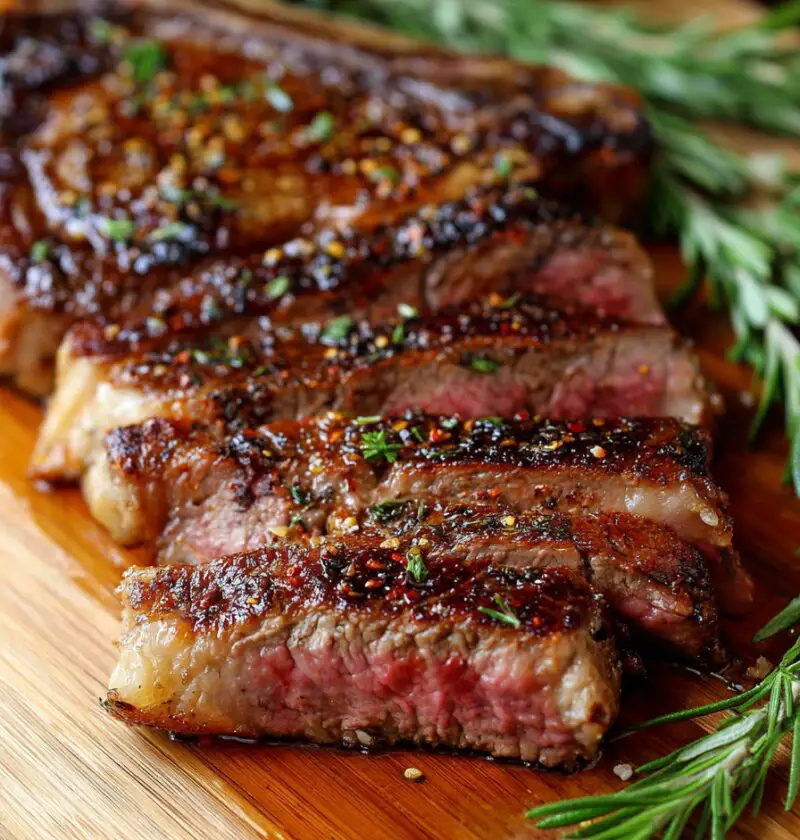
Slice against the grain if desired, or serve whole with a spoonful of the garlic herb butter from the skillet. Finish with flaky salt, parsley, or a squeeze of lemon if you like.
Servings & Timing
- Yield: 2 servings
- Prep Time: 10 minutes
- Rest Time Before Cooking: 30 to 40 minutes
- Cook Time: 8 to 10 minutes
- Rest Time After Cooking: 5 to 10 minutes
- Total Time: About 55 to 60 minutes, including resting
If you skip the room-temperature rest, the recipe moves faster, but I do think that extra time helps the steak cook more evenly—especially with a thick classic ribeye steak.
Variations
- Spicy ribeye: Add a pinch of crushed red pepper or Cajun seasoning for a little Southern kick.
- Coffee-rub version: Mix a small amount of finely ground coffee with the salt and pepper for a deeper, darker crust.
- Herb swap: Try sage or oregano instead of thyme for a slightly different flavor profile.
- Compound butter finish: Top the cooked steak with blue cheese butter or roasted garlic butter.
- Lighter dinner plate: Serve sliced ribeye over arugula with cherry tomatoes and shaved Parmesan.
- Surf-and-turf style: Pair the steak with seared shrimp for a special occasion ribeye steak dinner.
Storage & Reheating
If you have leftovers, lucky you.
- Refrigerator: Store cooled steak in an airtight container for up to 3 days.
- Freezer: Wrap tightly and freeze for up to 2 months. Thaw overnight in the fridge before reheating.
- Reheating: Warm gently in a skillet over low heat with a tiny pat of butter, or microwave at 50% power in short bursts to avoid overcooking.
- Make-ahead tip: You can season the steaks up to 24 hours ahead and keep them uncovered in the fridge. This dry-brining method can improve flavor and browning.
Honestly, leftover pan seared ribeye also makes a wonderful steak salad, sandwich, or breakfast hash. A little repetition in the kitchen isn’t a bad thing when the leftovers are this good.
Notes
A few things I’ve learned after making this easy steak recipe more times than I can count:
First, thickness matters. A thin steak can go from beautifully brown to overcooked in a blink, while a thicker steak gives you more control. If possible, buy ribeyes that are at least 1 inch thick, preferably 1 1/4 inches.
Second, dry steak sears better. I know I mentioned it before, but it’s worth saying again because it matters that much. Moisture is the enemy of browning.
Third, cast iron really shines here. You can use stainless steel, and it’ll still work, but a heavy cast iron skillet holds heat like a champ and gives you a more dependable sear. It’s like the old reliable station wagon of cookware—not flashy, maybe, but it gets the job done every time.
And one more thing: carryover cooking is real. Pulling the steak a few degrees early may feel odd at first, but it’s one of the smartest ways to keep your juicy ribeye steak from going too far.
FAQs
Can I make this pan seared ribeye steak recipe without a cast iron skillet?
Yes, you can use a heavy stainless-steel skillet. Cast iron is ideal for heat retention, but a sturdy pan still works well.
How do I know when my ribeye steak is done?
The easiest way is with an instant-read thermometer. For medium-rare, aim to remove the steak at about 125°F to 130°F, then let it rest.
Should I marinate ribeye before cooking?
Usually, no. Ribeye already has plenty of flavor and fat, so simple seasoning works better than a long marinade.
Why didn’t my steak get a good crust?
Most likely, the steak was too wet or the pan wasn’t hot enough. Pat the steak dry and preheat the skillet thoroughly before adding it.
Can I cook a ribeye straight from the fridge?
You can, but it may cook less evenly. Letting it sit out for 30 to 40 minutes helps the center and exterior cook more consistently.
What’s the best oil for a seared steak recipe?
Use a neutral, high-smoke-point oil like avocado oil, canola oil, or grapeseed oil. These handle the heat better than many finishing oils.
How long should I rest the steak after cooking?
About 5 to 10 minutes is ideal. Resting helps the juices redistribute so your steak stays tender and flavorful.
What should I serve with this skillet steak recipe?
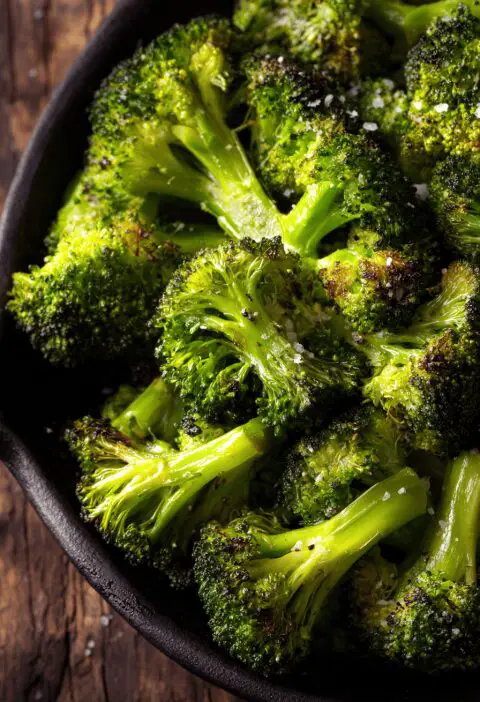
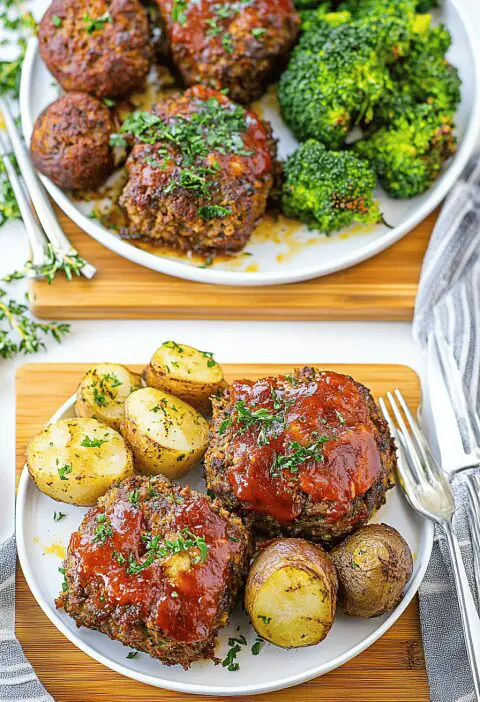
Mashed potatoes, roasted asparagus, sautéed mushrooms, a wedge salad, or crusty bread are all excellent choices. If you want a simple steak dinner recipe, you really can’t go wrong with potatoes and a green vegetable.
Conclusion
This Pan Seared Ribeye Steak Recipe is simple, reliable, and packed with steakhouse flavor—crisp crust, buttery garlic finish, and a center that stays tender and juicy. It’s the kind of meal that feels a little celebratory without making a big mess of your kitchen.
If you give this ribeye steak recipe a try, I’d love to hear how it turned out for you. Leave a comment, share your favorite side dish, or save this one for the next time you need a cozy, impressive quick steak recipe at home.