Lawrence Bakery New Orleans Recipe (Copycat Beignets You’ll Love)
If you’ve ever wished you could bring an old‑school New Orleans bakery into your own kitchen, this Lawrence Bakery New Orleans Recipe for soft, pillowy beignets is your new weekend project—and yes, it’s absolutely worth every speck of powdered sugar on your countertops.
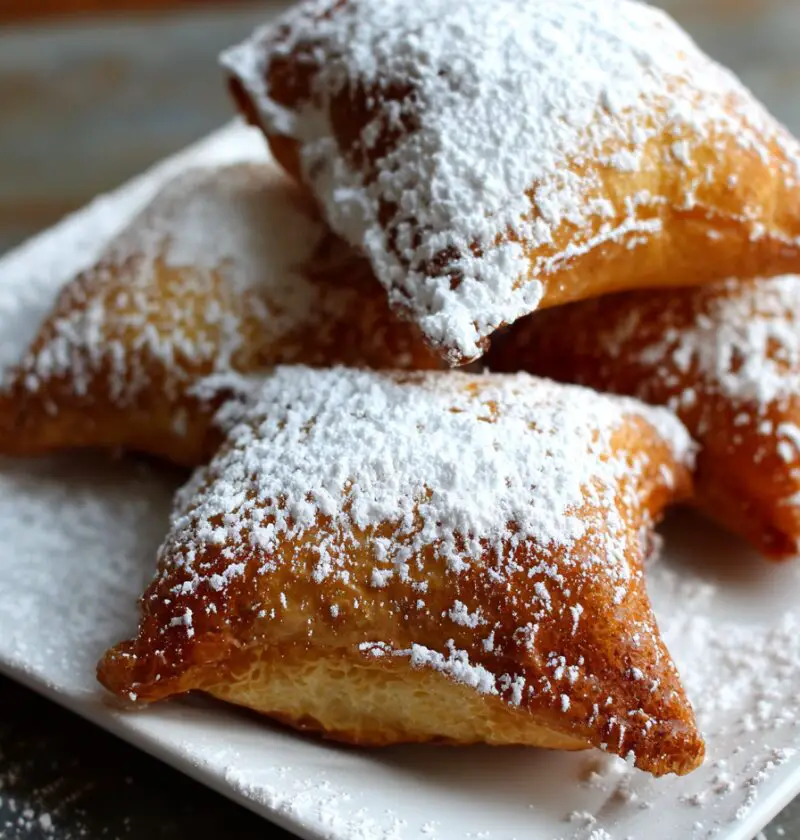
I grew up far from Louisiana, but I’ve been a little obsessed with traditional New Orleans pastries for years—especially those classic French Quarter bakery style beignets. This Lawrence Bakery New Orleans recipe is my warm, at‑home tribute: golden, airy squares of New Orleans style sweet dough, fried just right and covered in a blizzard of sugar. They’re not fancy; they’re just honest, cozy, and deeply comforting.
I pull this recipe out for holiday breakfasts, Mardi Gras brunch, and—if we’re being truthful—any grey Sunday when I need a little culinary joy. Think of it as an authentic New Orleans bakery treat you can create without a plane ticket, just a sturdy pot, some yeast, and a little patience.
Why You’ll Love This Lawrence Bakery New Orleans Recipe
- Bakery‑quality beignets at home – Get that Lawrence Bakery style beignet experience without leaving your kitchen.
- Light, pillowy texture – This New Orleans style sweet dough fries up tender inside with a gentle crispy edge.
- Makes a big batch – Perfect for brunch crowds, holidays, or anyone who “just wants one more.”
- Simple, familiar ingredients – Pantry staples—flour, sugar, milk, yeast—turn into a classic New Orleans dessert recipe.
- Make‑ahead friendly – You can chill the dough overnight, then fry fresh in the morning.
- Customizable toppings – Powdered sugar is traditional, but chocolate sauce, caramel, or fruit compotes are all welcome.
- Kid and adult approved – These are the kind of New Orleans bakery recipes that turn into family traditions.
- Freezer friendly – Fry once, freeze, then reheat for a quick Louisiana bakery dessert recipe on busy mornings.
Ingredients
This Lawrence Bakery New Orleans recipe makes a generous batch of classic beignets—about 24–30, depending on how you cut the dough.
For the Sweet Dough
- 1 cup warm whole milk (about 110°F; warm to the touch, not hot)
- 2 ¼ teaspoons active dry yeast (one standard 0.25 oz packet)
- ¼ cup granulated sugar
- 2 large eggs, room temperature
- 4 tablespoons unsalted butter, melted and slightly cooled
- 1 teaspoon pure vanilla extract
- 3 ½–4 cups all‑purpose flour, plus more for dusting (use a reliable brand like King Arthur or Gold Medal)
- ¾ teaspoon fine sea salt
For Frying
- 6–8 cups neutral oil (canola, peanut, or vegetable oil) for deep frying
- (Peanut oil gives a slightly richer flavor, but canola is great for a clean taste.)
For Serving
- 1 ½–2 cups powdered sugar, sifted
- Optional:
- Ground cinnamon (for light dusting)
- Warm chocolate sauce or café au lait for dipping
Ingredient tips:
- Use whole milk for a tender, richer dough. Low‑fat will work but the texture is just a bit less lush.
- Eggs should be at room temperature so they blend more easily into the dough and help the yeast.
- Always sift your powdered sugar—clumps don’t melt nicely on hot beignets.
Directions
-
Activate the yeast
Pour the warm milk into a large mixing bowl (or the bowl of a stand mixer). Sprinkle the active dry yeast and 1 tablespoon of the sugar over the top. Let it sit for 5–10 minutes, until the mixture looks foamy and creamy. If it doesn’t foam, your yeast might be old—start again with fresh yeast so your Lawrence Bakery New Orleans recipe rises beautifully. -
Whisk in eggs, butter, and vanilla
Once the yeast is foamy, whisk in the remaining granulated sugar, eggs, melted butter, and vanilla extract. The mixture will look a bit lumpy from the butter, and that’s fine. You’re building flavor here, almost like a rich brioche starter. -
Add flour and salt gradually
In a separate bowl, whisk together 3 ½ cups of the flour and the salt. Add this flour mixture to the wet ingredients about 1 cup at a time, stirring with a wooden spoon (or using the dough hook on low speed if you have a stand mixer). The dough should start to pull away from the sides but remain soft and slightly tacky—think “sticky but not gluey.” Add up to ½ cup more flour only if the dough is too wet to handle. -
Knead the dough
Turn the dough out onto a lightly floured surface and knead for about 5–7 minutes, until it’s smooth, elastic, and springs back slowly when you poke it with a finger. If using a stand mixer, knead on medium‑low speed for 4–5 minutes. You don’t want a stiff dough; that’ll give you tough beignets rather than those classic New Orleans bakery pastries. -
First rise
Shape the dough into a ball and place it in a lightly oiled bowl, turning once to coat the surface. Cover with a clean kitchen towel or plastic wrap. Let it rise in a warm, draft‑free spot for 1–1 ½ hours, or until doubled in size. A slightly warm (but turned off) oven works great here. -
Chill for easier handling (optional but helpful)
For extra flavor and ease of rolling, gently deflate the dough, cover it again, and refrigerate for at least 1 hour or up to overnight. This step gives your New Orleans bakery beignet recipe a deeper flavor and makes the dough less sticky to work with. If you’re short on time, you can skip the chill and move straight to rolling. -
Roll out the dough
Lightly flour your work surface. Turn out the dough and roll it into a rectangle about ¼‑inch thick. Try to keep it even so your beignets cook uniformly. If the dough springs back, let it rest for 5 minutes and roll again—this just means the gluten needs a tiny break. -
Cut into classic beignet squares
Using a pizza cutter or sharp knife, cut the dough into roughly 2 ½‑inch squares or rectangles. They don’t need to be perfect; part of the charm of authentic New Orleans bakery treats is that each piece looks a little different. Cover the cut pieces with a clean towel while you heat the oil so they don’t dry out. -
Heat the oil
Pour your oil into a heavy‑bottomed pot or Dutch oven to a depth of about 2–3 inches. Clip on a deep‑fry thermometer if you have one. Heat the oil to 360–370°F. Keeping this temperature steady is important—too cool and the beignets soak up oil; too hot and they brown outside while staying doughy inside. -
Fry the beignets
Fry 4–6 pieces at a time, depending on the size of your pot. Carefully slip them into the hot oil, away from you. They should puff up within 30–40 seconds. Fry about 1–1 ½ minutes per side, turning once, until they’re a deep golden color. Use a slotted spoon or spider to transfer them to a paper towel–lined tray. -
Powder with sugar while hot
While the beignets are still hot, generously sift powdered sugar over them—or place them in a paper bag with some powdered sugar and give them a gentle shake for that Lawrence Bakery style finish. The heat helps the sugar cling while still staying fluffy and snow‑like. -
Serve immediately
Classic New Orleans bakery beignets are best eaten warm, within 15–20 minutes of frying. Serve with extra powdered sugar on the side and, if you want to go full French Quarter bakery style, a strong café au lait.
Servings & Timing
- Yield: About 24–30 beignets
- Prep Time: 25–30 minutes (mixing, kneading, rolling)
- Rise/Chill Time: 1 ½–2 ½ hours (including optional fridge rest)
- Cook Time: 20–25 minutes (frying in batches)
- Total Time: About 2 ½–3 ½ hours (mostly hands‑off, perfect for a slow weekend morning)
Fun Variations on This New Orleans Bakery Beignet Recipe
You know what? Once you’ve got the base Lawrence Bakery New Orleans recipe down, it’s impossible not to play a little.
- Cinnamon Sugar Beignets – Toss hot beignets in a mix of granulated sugar and cinnamon instead of powdered sugar.
- Filled Beignets – Pipe pastry cream, lemon curd, or jam into cooled beignets using a piping bag with a long tip.
- Chocolate Beignets – Stir 2 tablespoons cocoa powder and an extra tablespoon sugar into the dough, then dust with powdered sugar.
- Spiced Holiday Beignets – Add ½ teaspoon ground nutmeg and ½ teaspoon ground cinnamon to the flour for a cozy seasonal twist.
- Café au Lait Glazed Beignets – Make a simple glaze with powdered sugar and strong coffee, and drizzle over warm beignets.
- Citrus Zest Beignets – Add 1 tablespoon finely grated orange or lemon zest to the dough for a bright, French Quarter bakery style flavor.
Storage & Reheating
Beignets shine brightest right out of the fryer, but leftover ones can still be a lovely, quick treat.
- Room Temperature: Keep completely cooled beignets in an airtight container at room temperature for up to 1 day. The sugar may melt a bit; add a fresh dusting before serving.
- Refrigerator: Not ideal for texture—refrigeration can make them tough and a bit chewy. I’d skip it unless your kitchen is very humid.
- Freezer: Freeze cooled, unsugared beignets in a single layer on a baking sheet, then transfer to a freezer bag for up to 2 months. To serve, warm in a 325°F oven for about 8–10 minutes, then dust with powdered sugar.
- Reheating: Reheat room‑temperature beignets in a 300–325°F oven for 5–7 minutes. Skip the microwave if you can—it tends to make them rubbery.
- Make‑ahead dough: Prepare the dough through the first rise, then refrigerate overnight (up to 18–20 hours). Roll, cut, and fry straight from the cold; they may need an extra 10–15 minutes at room temperature before frying to puff nicely.
Notes From My Kitchen (What I Learned Testing This)
- Oil temperature is everything. My first batch browned too quickly because I let the oil creep up over 375°F. Now I keep a thermometer clipped on the pot and adjust the heat between batches.
- Softer dough = lighter beignets. When I added too much flour, I got heavier, breadier results—not bad, just not that classic New Orleans bakery style beignet. Aim for a dough that’s soft and just a bit tacky.
- The overnight rest is worth it. The flavor gets richer and the texture more tender when the dough rests in the fridge. If I’m serving these for a brunch, I always mix the dough the night before.
- Don’t skimp on powdered sugar. This is not the moment for restraint. Lawrence Bakery New Orleans recipes—and most traditional New Orleans pastries—go heavy on that signature white blanket of sugar.
- Cut, then cover. Once the dough is cut into squares, keep them covered with a towel so the tops don’t dry out. Dry dough doesn’t puff as dramatically.
- Small batches fry better. Crowding the pot drops the temperature and leads to greasy beignets. I’d rather fry a few extra batches and have them light and airy.
FAQs About This Lawrence Bakery New Orleans Recipe
1. Can I bake these instead of frying?
You can bake them at 375°F for about 10–12 minutes, brushed lightly with melted butter, but they’ll taste more like sweet dinner rolls than true New Orleans bakery beignets. The oil is part of the magic.
2. What oil works best for frying beignets?
A neutral, high‑heat oil like canola, vegetable, or peanut is best. Peanut oil gives a deeper flavor that’s closer to a traditional New Orleans bakery recipe.
3. My dough didn’t rise—what went wrong?
Most often it’s either inactive yeast or milk that was too hot and killed the yeast. Make sure your milk is warm but not steaming, and always check that your yeast is within date.
4. Why are my beignets greasy?
If the oil was too cool or the pot was overcrowded, the dough absorbs more oil. Keep the oil around 360–370°F and fry in smaller batches.
5. Can I halve the recipe?
Yes, this Lawrence Bakery New Orleans recipe halves beautifully. Use half of each ingredient; keep the yeast amount generous (you can still use a full packet) for a reliable rise.
6. How do I keep beignets warm for guests?
Place fried beignets on a wire rack set over a baking sheet in a 200°F oven for up to 20–25 minutes. Dust with a final shower of powdered sugar right before serving.
7. Can I make the dough in a bread machine?
Yes—add the dough ingredients in the order recommended by your machine and use the “dough” cycle. Then roll, cut, and fry as directed.
8. What should I serve with these beignets?
Strong coffee (or chicory coffee if you want a French Quarter feel), café au lait, hot cocoa, or even iced coffee in warmer months all pair beautifully with this classic New Orleans dessert recipe.
Conclusion: Bring a Little New Orleans Into Your Kitchen
This Lawrence Bakery New Orleans recipe gives you soft, cloud‑like beignets with a delicate crust and a generous snowfall of powdered sugar—exactly the kind of traditional New Orleans pastry that turns an ordinary morning into something you’ll remember. It’s comforting, nostalgic, and just a little messy in the best way.
If you try these at home, let me know how they turned out—leave a comment, share a photo, or tell me what twist you added. And if you’re as smitten with New Orleans bakery recipes as I am, next time try pairing these beignets with homemade chicory coffee or another classic Louisiana bakery dessert recipe for a full French Quarter experience right at your own kitchen table.
Lawrence Bakery New Orleans Beignets (Copycat)
Ingredients
- 1 cup whole milk warm, about 110°F; warm to the touch, not hot
- 2 1/4 teaspoons active dry yeast one standard 0.25 oz packet
- 1/4 cup granulated sugar divided (1 tablespoon for proofing yeast, remainder for dough)
- 2 large eggs room temperature
- 4 tablespoons unsalted butter melted and slightly cooled
- 1 teaspoon vanilla extract pure
- 3 1/2-4 cups all-purpose flour plus more for dusting; use a reliable brand like King Arthur or Gold Medal
- 3/4 teaspoon fine sea salt
- 6-8 cups neutral oil canola, peanut, or vegetable oil, for deep frying
- 1 1/2-2 cups powdered sugar sifted, for serving
- ground cinnamon optional, for light dusting
- warm chocolate sauce or café au lait optional, for dipping
Instructions
- Pour the warm milk into a large mixing bowl or the bowl of a stand mixer. Sprinkle the active dry yeast and 1 tablespoon of the granulated sugar over the top. Let it sit for 5–10 minutes, until the mixture looks foamy and creamy. If it doesn’t foam, discard and start again with fresh yeast.1 cup whole milk, 2 1/4 teaspoons active dry yeast, 1/4 cup granulated sugar
- Once the yeast mixture is foamy, whisk in the remaining granulated sugar, eggs, melted butter, and vanilla extract. The mixture may look slightly lumpy from the butter, which is fine.1/4 cup granulated sugar, 2 large eggs, 4 tablespoons unsalted butter, 1 teaspoon vanilla extract
- In a separate bowl, whisk together 3 1/2 cups of the flour and the salt. Add this flour mixture to the wet ingredients about 1 cup at a time, stirring with a wooden spoon or using the dough hook on low speed. The dough should start to pull away from the sides but remain soft and slightly tacky. Add up to 1/2 cup more flour only if the dough is too wet to handle.3 1/2-4 cups all-purpose flour, 3/4 teaspoon fine sea salt
- Turn the dough out onto a lightly floured surface and knead for 5–7 minutes, until smooth, elastic, and slowly springing back when poked. If using a stand mixer, knead with the dough hook on medium-low speed for 4–5 minutes. Avoid adding too much extra flour; the dough should remain soft, not stiff.3 1/2-4 cups all-purpose flour
- Shape the dough into a ball and place it in a lightly oiled bowl, turning once to coat. Cover with a clean kitchen towel or plastic wrap and let rise in a warm, draft-free spot for 1–1 1/2 hours, or until doubled in size.
- Gently deflate the risen dough, cover the bowl again, and refrigerate for at least 1 hour or up to overnight. This develops flavor and makes the dough easier to roll. If short on time, you can skip this chill and proceed.
- Lightly flour your work surface. Turn out the dough and roll it into a rectangle about 1/4 inch thick, keeping the thickness as even as possible. If the dough springs back, let it rest for 5 minutes and roll again.3 1/2-4 cups all-purpose flour
- Using a pizza cutter or sharp knife, cut the dough into roughly 2 1/2-inch squares or rectangles. Transfer the pieces to a lightly floured surface or tray and cover with a clean towel while you heat the oil so they don’t dry out.
- Pour neutral oil into a heavy-bottomed pot or Dutch oven to a depth of 2–3 inches. Attach a deep-fry thermometer if you have one. Heat the oil to 360–370°F, adjusting the heat as needed to maintain temperature during frying.6-8 cups neutral oil
- Working in small batches of 4–6 pieces, carefully slip the dough squares into the hot oil, away from you. They should puff within 30–40 seconds. Fry for about 1–1 1/2 minutes per side, turning once, until deep golden. Use a slotted spoon or spider to transfer to a paper towel–lined tray to drain.
- While the beignets are still hot, generously sift powdered sugar over them, or place a few at a time into a paper bag with powdered sugar and gently shake to coat.1 1/2-2 cups powdered sugar
- Serve the beignets immediately, ideally within 15–20 minutes of frying, with extra powdered sugar on the side and optional cinnamon, chocolate sauce, or café au lait for dipping.1 1/2-2 cups powdered sugar, ground cinnamon, warm chocolate sauce or café au lait