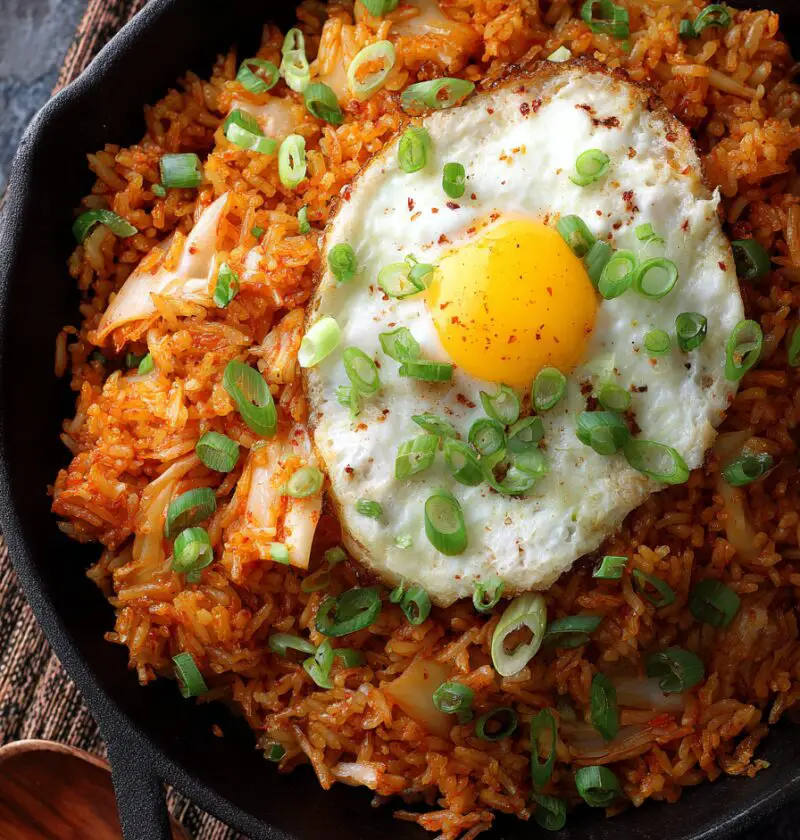
Kimchi Fried Rice Recipe
If you need a fast, bold, cozy dinner, this Kimchi Fried Rice Recipe checks every box—it’s spicy, savory, deeply satisfying, and ready in about 20 minutes with humble pantry staples.
A cozy Korean-inspired skillet meal that never gets old
There are some meals that feel like a little kitchen miracle, and kimchi fried rice is one of them. You take cold rice, a scoop of tangy fermented cabbage, a few everyday ingredients, and somehow end up with a skillet full of rich, punchy, restaurant-worthy comfort food. That’s the magic of this Kimchi Fried Rice Recipe. It’s quick enough for a Tuesday night, flavorful enough for company, and flexible enough to work with what’s already in your fridge.
I’ve always loved recipes like this—recipes that don’t ask for perfection, only good timing and a little confidence. This Korean fried rice is especially wonderful when you have leftover rice and a jar of kimchi that’s getting extra ripe. In fact, older kimchi tends to make the best fried rice because the flavor is deeper, funkier, and more complex. It’s one of those dishes that tastes like you worked much harder than you did.
And let’s talk about why it’s such a smart home-cooking recipe. Data from home kitchen trends over the last few years keeps showing the same thing: readers want fast, affordable, flavor-packed meals with minimal waste. This spicy rice dish fits that beautifully. It uses leftovers well, comes together in one pan, and can be adapted for vegetarians, meat lovers, and gluten-free eaters with just a few small changes. That’s my kind of dinner—practical, comforting, and full of personality.
I like to serve this easy kimchi rice on chilly evenings, especially with a crispy fried egg on top and sliced scallions scattered over everything. It’s also lovely for lunch the next day, which honestly makes me love it even more.
Why You’ll Love This Recipe
- Ready in about 20 minutes from start to finish
- A brilliant way to use leftover rice
- Bold, savory, tangy flavor in every bite
- Easy to customize with bacon, spam, tofu, or extra vegetables
- Better than takeout on a busy weeknight
- One-pan cooking means fewer dishes to wash
- A budget-friendly homemade fried rice option
- Great for meal prep and next-day lunches
- Delivers that Korean comfort food feeling fast
- Perfect when you want a warm, satisfying asian rice dish without fuss
Ingredients
Here’s what you’ll need for this kimchi fried rice recipe. These amounts make about 4 servings as a main dish or 6 smaller side portions.
-
3 cups cooked and chilled white rice
(Jasmine rice or short-grain rice both work well; day-old rice is best because it fries instead of steaming.) -
1 1/2 cups kimchi, chopped
(Use well-fermented kimchi for fuller flavor; reserve 2 tablespoons kimchi juice if your jar has it.) -
2 tablespoons kimchi juice
(Optional but highly recommended for extra tang and color.) -
1 tablespoon neutral oil
(Avocado oil, canola oil, or grapeseed oil are all good choices.) -
1 tablespoon toasted sesame oil
(Adds nutty depth; a little goes a long way.) -
1/2 medium yellow onion, finely diced
(You can swap in 3 shallots for a sweeter finish.) -
2 garlic cloves, minced
(Fresh garlic gives the best aroma, though 1 teaspoon jarred minced garlic will do in a pinch.) -
1 tablespoon gochujang
(Korean red chili paste; use 2 teaspoons for milder heat or 1 1/2 tablespoons if you like a stronger kick.) -
1 tablespoon soy sauce
(Use tamari for gluten-free.) -
1 teaspoon sugar
(This balances the sour kimchi beautifully; brown sugar works too.) -
2 green onions, sliced
(Separate white and green parts if you want a tidier garnish.) -
2 eggs
(Optional for mixing in, plus extra eggs for topping if you’d like.) -
1/2 cup cooked bacon, diced
(Optional, but delicious; spam, diced ham, or crumbled sausage also work.) -
1 tablespoon butter
(Optional, but it rounds out the flavor and gives a glossy finish.) -
1 tablespoon sesame seeds
(For garnish.) -
1 sheet roasted seaweed, crumbled
(Optional garnish; adds lovely salty crunch.) -
Fried eggs, for serving
(Optional but highly encouraged for that classic kimchi rice bowl feel.)

A quick ingredient note: if you’re shopping for kimchi and feel overwhelmed, brands like Jongga and Cleveland Kitchen are commonly available in U.S. grocery stores. If you enjoy a cleaner, more traditional flavor, Jongga is a reliable place to start. If you want vegan kimchi, check labels closely because many traditional versions contain fish sauce or shrimp.
Directions
-
Break up the cold rice first.
Before you start cooking, use clean hands or a fork to separate any clumps in the chilled rice. This makes a huge difference. If rice goes into the pan in one big lump, it steams and turns gummy rather than crisping up. -
Cook the aromatics.
Heat the neutral oil and sesame oil in a large skillet or wok over medium-high heat. Add the onion and cook for 2 to 3 minutes until softened. Stir in the garlic and cook for about 30 seconds, just until fragrant. Don’t let the garlic brown; it can turn bitter fast. -
Add the kimchi and let it sizzle.
Stir in the chopped kimchi and cook for 2 to 4 minutes. You want some of the moisture to cook off and the edges to begin caramelizing slightly. This step deepens the flavor and gives your korean fried rice that savory, almost smoky backbone. -
Add protein if using.
If you’re using bacon, spam, ham, or tofu, add it now and stir for 1 minute to warm through. Bacon adds salt and richness, while tofu keeps things lighter but still satisfying. -
Season the pan.
Add the gochujang, soy sauce, sugar, and kimchi juice. Stir well so the kimchi gets evenly coated. The smell at this point is wonderful—spicy, tangy, and deeply savory. -
Add the rice and fry, don’t stir too much.
Add the cold rice to the skillet and toss everything together until the grains are evenly coated. Then spread the rice out in the pan and let it sit for 1 to 2 minutes before stirring again. That little pause helps create those lightly crisp bits everyone loves in a good fried rice recipe. -
Scramble in the eggs if you like.
Push the rice to one side of the skillet. Crack in the 2 eggs on the empty side and scramble them gently, then fold them into the rice. This step makes the dish feel a bit heartier and gives it a softer texture. -
Finish with richness and crunch.
Stir in the butter, if using, and most of the sliced green onions. Taste and adjust—more soy sauce for salt, a bit more kimchi juice for tang, or a touch more gochujang for heat. -
Serve it hot with your favorite toppings.
Spoon the kimchi fried rice into bowls and top with sesame seeds, crumbled seaweed, extra scallions, and a fried egg if you’d like. That runny yolk mixing into the spicy rice dish is, frankly, one of life’s small pleasures.
Servings & Timing
- Yield: 4 main-dish servings
- Prep Time: 10 minutes
- Cook Time: 10 minutes
- Total Time: 20 minutes
This is the sort of quick rice recipe that feels especially helpful on busy nights when everyone’s hungry right now.
Variations
If you’re like me, you’ll make this a few times and then start tinkering. That’s half the fun.
- Vegetarian version: Skip the bacon and add pan-seared tofu or extra mushrooms.
- Spam kimchi fried rice: Use diced spam for a classic salty-sweet twist.
- Extra veggie bowl: Add frozen peas, shredded carrots, corn, or chopped spinach.
- Low-carb style: Swap part of the rice with cauliflower rice, though the texture will be a bit softer.
- Cheesy comfort version: Top with a little shredded mozzarella and let it melt over the hot rice.
- Breakfast rice bowl: Add a fried egg, avocado slices, and extra scallions for a hearty brunch plate.
Storage & Reheating
Store leftover kimchi fried rice in an airtight container in the refrigerator for up to 4 days. The flavor often gets even better by the next day, which is one reason this savory rice meal is such a smart meal-prep choice.
For reheating, warm it in a skillet over medium heat with a small splash of water or a drizzle of oil. You can also microwave it in 30-second bursts, stirring in between, until hot throughout. If you’re adding a fresh fried egg, cook that separately right before serving for the best texture.
You can freeze it too, though I think it’s best fresh or refrigerated. If freezing, cool the rice completely, pack it into freezer-safe containers, and freeze for up to 2 months. Thaw overnight in the fridge before reheating.
Make-ahead tip: cook the rice a day earlier and refrigerate it uncovered for a few hours or overnight. That dries the grains slightly and gives you much better texture in your homemade fried rice.
Notes
Here’s the thing—this recipe is forgiving, but a few small details really matter.
First, cold rice is not optional if you want that proper fried texture. Fresh hot rice can work in a pinch, but it tends to clump and turn soft. If all you have is fresh rice, spread it on a baking sheet and chill it for 20 to 30 minutes before cooking.
Second, don’t be shy about using ripe kimchi. Very fresh kimchi is nice in salads and side dishes, but for fermented cabbage rice, older kimchi shines. It has more funk, more acidity, and more personality. That stronger flavor mellows beautifully once it hits the hot skillet.
I also learned through testing that a tiny bit of sugar matters more than you’d think. Not enough to make the dish sweet—goodness, no—but just enough to round the sharp edges of the kimchi and chili paste. It’s the sort of small kitchen trick that makes the whole pan taste more complete.
And one more thing: if your pan is crowded, the rice won’t fry well. Use a large skillet or cook in two batches if needed. A roomy pan is like a good front porch—everything works better when there’s space.
FAQs
Can I use freshly cooked rice?
Yes, but chilled day-old rice gives the best texture. If using fresh rice, cool it quickly on a baking sheet before frying.
How spicy is this kimchi fried rice recipe?
It’s moderately spicy as written. You can reduce the gochujang or use mild kimchi if you want a gentler heat.
What kind of rice is best for kimchi fried rice?
Short-grain Korean rice, jasmine rice, or other cooked white rice all work well. The key is that the rice should be cold and not overly wet.
Is kimchi fried rice healthy?
It can be part of a balanced meal. Kimchi offers beneficial fermentation, and you can add vegetables, lean protein, or less oil to suit your needs.
Can I make this vegetarian or vegan?
Absolutely. Use vegan kimchi, skip the eggs and bacon, and add tofu or mushrooms for extra substance.
Why is my fried rice mushy?
Usually it’s because the rice was too fresh, the pan wasn’t hot enough, or the skillet was overcrowded. Give the rice room and let it sit between stirs.
What can I serve with this korean comfort food dish?
It’s great with cucumber salad, dumplings, miso soup, roasted broccoli, or a simple fried egg on top.
Can I make it less tangy?
Yes. Use slightly less kimchi and skip some of the kimchi juice. A little extra rice can also soften the tangy flavor.
Conclusion
This Kimchi Fried Rice Recipe is fast, flexible, and full of bold, comforting flavor—the kind of meal that rescues leftovers and still feels exciting. Whether you serve it as a quick weeknight dinner, a hearty lunch, or a cozy kimchi rice bowl with a runny egg on top, it’s a recipe worth keeping close. If you try it, I’d love to hear how you made it your own, and if you’re hungry for more, be sure to check out other easy korean comfort food favorites and quick homemade fried rice ideas too.