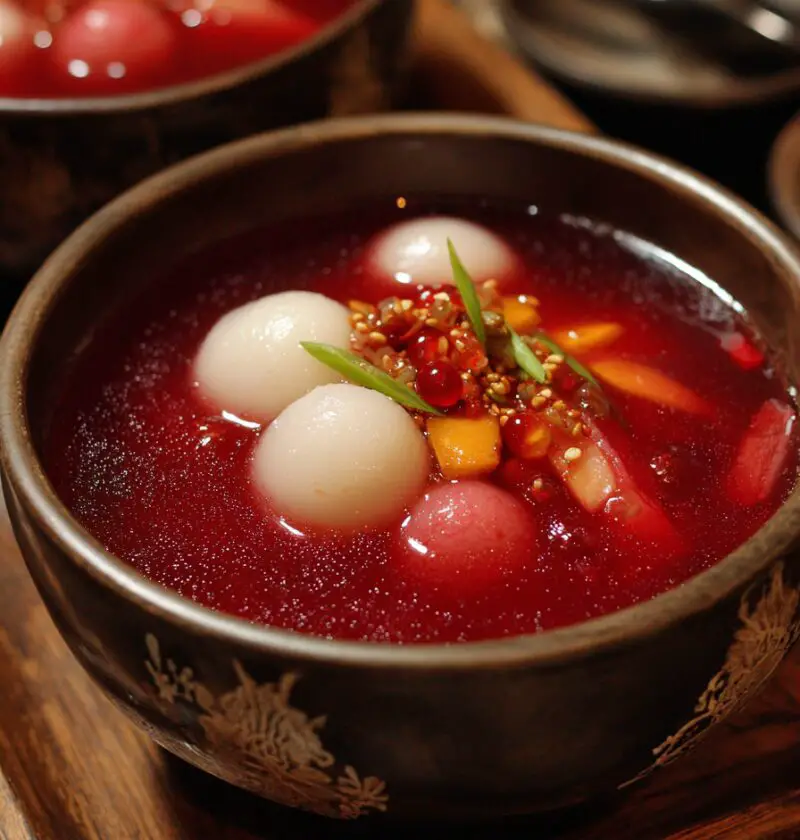
Hwachae Recipe (Korean Fruit Punch You’ll Crave Every Summer)
If you’re looking for a light, pretty, no-bake treat that cools you down in a snap, this Hwachae Recipe—classic Korean fruit punch—is about to become your new warm-weather obsession.
I still remember the first time I tasted Korean hwachae at a little family-run restaurant in Los Angeles—ice-cold, sweet, and full of fresh fruit that felt like dessert and hydration in the same spoonful. This traditional hwachae recipe is a refreshing Korean drink that falls somewhere between a fruity punch and a cold dessert, making it perfect for hot afternoons, parties, and casual backyard cookouts.
Hwachae (화채) simply means “punch” in Korean, and there are many versions—watermelon hwachae, milk-based hwachae, and even floral variations made with edible flower petals. What I’m sharing here is an easy, fruit-forward Korean summer drink that anyone can make with basic grocery-store ingredients. It’s lighter than many American dessert punches, but still feels festive and special, almost like an Asian fruit punch with a softer, more delicate sweetness.
And from a “mom and nutrition-nerd” perspective—yes, that’s me at 50, reading labels at the grocery store for fun—it’s a fun way to serve fresh fruit to kids and adults. You can control the sugar, pack it with seasonal produce, and skip the heavy creams or syrups if you like.
Why You’ll Love This Hwachae Recipe
- No cooking, no oven, no stove – This Korean dessert punch is completely no-bake and heat-free.
- Ready in about 20 minutes – Prep the fruit, chill, and you’re done; perfect for last-minute guests.
- Light, refreshing, not too sweet – Unlike many party punches, this Korean punch recipe is clean-tasting and bright.
- Customizable with your favorite fruit – Turn it into watermelon hwachae, melon hwachae, or a full-on fruit salad in a bowl.
- Beautiful for gatherings – The colorful fruit hwachae looks stunning on a buffet or summer party table.
- Kid-friendly and grown-up approved – Sweet enough for kids, but fresh and subtle for adults who don’t love very sugary drinks.
- Easily made dairy-free or lower sugar – Adjust the base to fit your dietary needs without losing flavor.
- Make-ahead friendly – You can prep components ahead and assemble just before serving.
- Great Korean party drink – It’s a wonderful introduction to Korean cold dessert culture if your guests are new to it.
Ingredients
This Hwachae Recipe is flexible, but here’s my base version that hits that classic Korean fruit punch vibe while staying easy to shop for in the U.S.
For the Fruit:
- 3 cups seedless watermelon, scooped into balls or small cubes
- 1 cup cantaloupe or honeydew, scooped into balls or cubes
- 1 cup strawberries, hulled and sliced
- 1 cup seedless grapes, halved (red or green, or a mix)
- 1 medium kiwi, peeled and sliced into half-moons
- 1 small apple or Asian pear, cored and cut into thin slices or small matchsticks
- ¼ cup fresh blueberries (optional, for color and texture)
For the Sweet Punch Base:
- 2 cups chilled Korean or Asian pear juice, white grape juice, or apple juice (try Korean pear juice boxes from brands like Haitai if you can find them)
- 1 cup chilled Sprite, 7-Up, or another mild lemon-lime soda (for that classic Korean hwachae fizz)
- ½–¾ cup cold water, as needed to taste and adjust sweetness
- 2–4 tablespoons sugar, honey, or agave syrup (use less if your juice is very sweet)
- 1–2 tablespoons fresh lemon or lime juice (for brightness and balance)
- 1 teaspoon vanilla extract (optional but lovely for aroma)
For Serving & Garnish:
- 1–1½ cups ice cubes or crushed ice
- Fresh mint leaves or thin lemon slices (optional, for garnish)
A few ingredient tips from my kitchen:
- Watermelon: Choose a heavy melon with a deep, hollow sound when tapped. The sweeter the melon, the less added sugar you’ll need.
- Strawberries: Ripe but still firm berries hold up better and won’t turn mushy.
- Asian pear vs regular apple: Asian pear is more traditional in Korean sweet punch and stays wonderfully crunchy, but a crisp apple like Honeycrisp works well.
- Juice base: White grape juice or Korean pear juice gives that light, golden color you often see in Korean hwachae punch photos.
- Soda: Many Korean fruit punch recipes use Sprite. If you prefer less sweetness, choose a low-sugar or naturally sweetened lemon-lime soda.
Directions
-
Chill everything first
Pop your juice, soda, and even your mixing bowl into the fridge for at least 1 hour before you start. A very cold base keeps the ice from melting too fast and watering down the hwachae punch. -
Prep the watermelon and melon
Slice your watermelon and cantaloupe/honeydew. Use a melon baller if you have one (it gives you that pretty, classic look). If not, small, neat cubes are perfectly fine. Aim for bite-sized pieces so you can scoop them easily with a spoon. -
Slice the berries and other fruit
Hull and slice the strawberries, halve the grapes, peel and slice the kiwi, and cut your apple or Asian pear into thin slices or little matchsticks. Toss the apple/pear lightly with a teaspoon of lemon or lime juice so it doesn’t brown. -
Combine the fruit in a large bowl
In a big glass bowl or a wide punch bowl, gently combine all the prepped fruit and the blueberries, if using. Don’t stir too aggressively—you want to keep everything looking fresh, not bruised. -
Mix the sweet punch base
In a separate pitcher or large measuring cup, stir together the chilled juice, ½ cup water, 2 tablespoons sweetener, and the lemon or lime juice. Taste first—then adjust with more water for a lighter flavor or more sweetener if you like it sweeter. Once you like the balance, gently stir in the soda and vanilla extract (if using). Try not to over-stir; you don’t want to lose all the bubbles. -
Pour the base over the fruit
Pour the punch base over the fruit in the bowl until the fruit is just covered or slightly floating. If your bowl is deep, you may not need every drop; save extra in the fridge for topping off later. -
Chill briefly for flavor
Cover the bowl and chill the hwachae in the fridge for about 20–30 minutes. This lets the fruit mingle with the punch and slightly flavor the liquid, giving that “Korean cold dessert” feel. If you’re in a rush, you can serve right away—it’ll still be delicious. -
Add ice just before serving
Stir gently once, then add ice cubes or crushed ice on top right before serving. For a Korean party drink or backyard barbecue, I like to keep extra ice nearby and top off as we go. -
Garnish and enjoy
Scatter a few fresh mint leaves or add thin lemon slices on top if you’d like a little garnish. Serve in small bowls or clear glasses with both a spoon and a straw so everyone can drink the sweet punch and scoop out the fruit.
Servings & Timing
- Yield: About 6–8 servings (depending on serving size and how fruit-heavy you make it)
- Prep Time: 20 minutes
- Chill Time: 20–30 minutes (optional but recommended)
- Total Time: 20–50 minutes (20 minutes if serving right away; up to 50 with chill time)
If you’re serving this as a Korean summer drink for a crowd, you can easily double the recipe and use a large glass drink dispenser or even a big trifle bowl so everyone can see the colorful layers.
Variations: Fun Twists on Traditional Hwachae
You know what? Once you make this once, you’ll realize how forgiving and fun it is to play with. Try one of these twists next time:
- Milk Hwachae (Milky Yogurt Style): Swap half of the juice with cold milk or a mild yogurt drink (like Korean yogurt drinks or Yakult-style drinks) for a creamy Korean cold dessert vibe.
- Watermelon Hwachae Only: Go all-in with 4–5 cups of watermelon balls, use watermelon juice as part of the base, and garnish with fresh mint for a super-refreshing watermelon hwachae.
- Alcoholic Party Version: For adults, stir ½–1 cup soju, white wine, or a light sparkling wine into the base for a grown-up Korean party drink.
- Coconut Twist: Replace the water with coconut water and add pineapple chunks for a tropical Asian fruit punch feel.
- Low-Sugar / Diabetic-Friendly: Use unsweetened juice, a sugar-free lemon-lime soda (or sparkling water), and a zero-calorie sweetener adjusted to taste.
- Berry Hwachae: Load up on strawberries, blueberries, and raspberries, and use white grape juice plus a splash of cranberry for a berry-centric Korean sweet punch.
Storage & Make-Ahead Tips
One thing I love about this Hwachae Recipe is how flexible it is with timing—especially if you’re the type who likes to have everything ready before guests walk in.
- Fridge Storage (Fruit + Punch): Store the mixed hwachae covered in the refrigerator for up to 24 hours. The fruit will soften slightly, and the liquid will turn extra flavorful.
- Fridge Storage (Best Method): For the best texture, keep the chopped fruit and punch base separate in the fridge for up to 1 day, then combine about 30 minutes before serving.
- No Freezer, Please: This doesn’t freeze well as a whole dessert; the texture of the fruit changes a lot. If you must, you can freeze leftover punch (liquid only) in ice cube trays to add to sparkling water later.
- Refrigerating Leftovers: Leftover hwachae is still good the next day, but the soda will lose fizz and some fruits (like strawberries) will soften. It’s still a delightful Korean dessert punch for snacking.
- Re-chilling: If it warms up, just pop it back into the fridge; no need to reheat anything—this is meant to stay cold and refreshing.
Notes From My Kitchen Tests
After testing this several times—yes, my husband and grown kids didn’t complain—I learned a few little tricks:
- Balance is everything: Traditional hwachae recipes are often lightly sweet. If you’re used to American-style fruit punch, you may think it’s not sweet enough at first. Taste as you go and adjust in small amounts.
- Cut fruit evenly: Keeping pieces about the same size helps each spoonful feel balanced. Nobody wants a bowl that’s all grapes and one lonely cube of watermelon.
- Add soda last: If you mix the soda too early and stir too much, it goes flat. Add it at the end, gently.
- Don’t skip the acid: A squeeze of lemon or lime makes a huge difference. It brightens the sweetness and keeps the whole Korean hwachae from tasting flat.
- Serving style: I like using clear glass bowls or short glass cups so you can actually see the fruit—pretty food tastes better, it really does.
- Kid hack: For younger kids, reduce the ice in the main bowl (so it doesn’t overly dilute) and serve their portion over crushed ice in smaller cups with a straw. They love “drinking dessert.”
FAQs
1. What is hwachae exactly?
Hwachae is a traditional Korean punch made by combining sweetened liquid (often juice, milk, or a floral infusion) with fruit or other ingredients, served cold as a refreshing Korean drink or dessert.
2. Can I make this Hwachae Recipe without soda?
Yes—just replace the soda with extra chilled juice plus some sparkling water or plain cold water; you’ll lose the fizz but keep the refreshing flavor.
3. How far in advance can I prepare Korean hwachae?
You can chop the fruit and mix the base up to 24 hours ahead, store them separately in the fridge, and then combine everything about 30 minutes before serving for the best texture.
4. What fruits work best for Korean fruit punch?
Watermelon, melon, strawberries, grapes, kiwi, apples/Asian pears, and blueberries all work well—stick with firm, juicy fruits that won’t turn mushy too quickly.
5. Is this Hwachae Recipe vegan-friendly?
Yes, as long as you use plant-based sweeteners (like sugar or agave) and avoid dairy in the base, this fruit hwachae is naturally vegan.
6. Can I reduce the sugar for a lighter Korean summer drink?
Definitely—start with less sweetener, taste the mixed base, and only add more if needed; very ripe fruit and sweet juice may not need much extra sugar at all.
7. What should I do if my hwachae tastes too sweet?
Stir in more cold water or a splash of sparkling water and add a bit more lemon or lime juice to rebalance the flavor.
8. How do I keep the fruit from getting soggy?
Use firm, fresh fruit, avoid freezing and thawing the fruit, and don’t let the fully mixed hwachae sit for more than about a day—storing fruit and punch separately helps keep everything crisp.
Conclusion
This Hwachae Recipe brings together everything I love about Korean dessert punch: it’s pretty, light, and wonderfully refreshing, with just the right mix of fruit and sweet, chilled liquid. Whether you’re new to Korean hwachae or grew up with watermelon hwachae at family picnics, this simple version is an easy way to bring a little Korean summer magic to your table.
Give it a try, play around with your favorite fruits, and let me know how it turns out in the comments—did you go classic, creamy, or a little boozy? And if you enjoyed this refreshing Korean drink, you might also like exploring more chilled Asian fruit punch and cold dessert recipes for the warmer months.
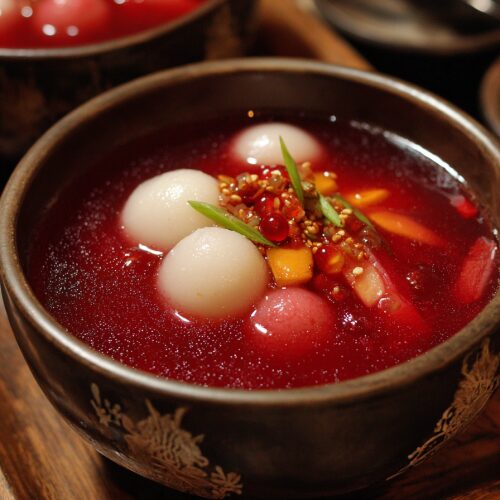
Hwachae (Korean Fruit Punch)
Ingredients
- 3 cups seedless watermelon scooped into balls or small cubes
- 1 cup cantaloupe or honeydew scooped into balls or cubes
- 1 cup strawberries hulled and sliced
- 1 cup seedless grapes halved; red, green, or mixed
- 1 medium kiwi peeled and sliced into half-moons
- 1 small apple or Asian pear cored and cut into thin slices or small matchsticks
- 0.25 cup fresh blueberries optional, for color and texture
- 2 cups chilled Korean or Asian pear juice, white grape juice, or apple juice preferably light-colored juice
- 1 cup chilled lemon-lime soda such as Sprite or 7-Up, for fizz
- 0.5-0.75 cup cold water to taste, to adjust sweetness
- 2-4 tablespoons sugar, honey, or agave syrup adjust to taste depending on sweetness of juice
- 1-2 tablespoons fresh lemon or lime juice for brightness and balance
- 1 teaspoon vanilla extract optional, for aroma
- 1-1.5 cups ice cubes or crushed ice add just before serving
- fresh mint leaves optional, for garnish
- thin lemon slices optional, for garnish
Instructions
- Place the juice, soda, and a large mixing or punch bowl in the refrigerator for at least 1 hour before preparing the hwachae so everything is very cold.2 cups chilled Korean or Asian pear juice, white grape juice, or apple juice, 1 cup chilled lemon-lime soda
- Slice the watermelon and cantaloupe or honeydew. Use a melon baller to scoop into balls for a classic look, or cut into small, neat cubes. Aim for bite-sized pieces that are easy to scoop with a spoon.3 cups seedless watermelon, 1 cup cantaloupe or honeydew
- Hull and slice the strawberries, halve the grapes, peel and slice the kiwi into half-moons, and cut the apple or Asian pear into thin slices or matchsticks. Toss the apple or pear lightly with a little lemon or lime juice to prevent browning.1 cup strawberries, 1 cup seedless grapes, 1 medium kiwi, 1 small apple or Asian pear, 1-2 tablespoons fresh lemon or lime juice
- In a large glass or punch bowl, gently combine the prepared watermelon, melon, strawberries, grapes, kiwi, apple or Asian pear, and blueberries (if using). Stir gently to avoid bruising the fruit.3 cups seedless watermelon, 1 cup cantaloupe or honeydew, 1 cup strawberries, 1 cup seedless grapes, 1 medium kiwi, 1 small apple or Asian pear, 0.25 cup fresh blueberries
- In a separate pitcher or large measuring cup, stir together the chilled juice, 1/2 cup cold water, 2 tablespoons of your chosen sweetener, and the lemon or lime juice. Taste and adjust with more water for a lighter flavor or more sweetener for extra sweetness.2 cups chilled Korean or Asian pear juice, white grape juice, or apple juice, 0.5-0.75 cup cold water, 2-4 tablespoons sugar, honey, or agave syrup, 1-2 tablespoons fresh lemon or lime juice
- Gently stir the chilled lemon-lime soda and vanilla extract (if using) into the punch base. Stir lightly so you keep as much fizz as possible.1 cup chilled lemon-lime soda, 1 teaspoon vanilla extract
- Pour the sweet punch base over the fruit in the bowl until the fruit is just covered or slightly floating. If your bowl is deep and you have extra liquid, reserve it in the fridge for topping off later.
- Cover the bowl and refrigerate the hwachae for 20–30 minutes to let the flavors meld and the fruit lightly infuse the liquid. If you are short on time, you can serve immediately.
- Just before serving, gently stir the hwachae once, then add ice cubes or crushed ice on top. Garnish with fresh mint leaves and thin lemon slices if desired.1-1.5 cups ice cubes or crushed ice, fresh mint leaves, thin lemon slices
- Serve the hwachae in small bowls or clear glasses with both a spoon and a straw so guests can sip the punch and scoop out the fruit.