Greek Seasoning Recipe
If you love bright, savory Mediterranean flavors, this easy Greek Seasoning Recipe will become your new all-purpose spice blend for chicken, veggies, potatoes, and so much more—mixed in minutes, no special equipment, and packed with authentic Greek-style herbs and spices.
Growing up in the Midwest in the ’80s, “Greek food” usually meant a gyro at the mall or a Greek salad drowning in bottled dressing. It wasn’t until my late 30s, on a trip to Chicago’s Greektown with my husband, that I really fell for the clean, lemony, herb-forward flavors of an authentic Greek seasoning blend. Since then, I’ve kept some kind of Mediterranean herb mix on my counter almost all the time.
This homemade Greek seasoning is my go-to “sprinkle on everything” mix—an all purpose Greek seasoning that works on chicken, vegetables, pork, beef, fish, and even simple roasted potatoes. It’s cheaper than store-bought, you control the salt, and you can tweak it to fit your family’s taste (or dietary needs) without losing those classic, bold, authentic Greek flavors.
You know what? Once you’ve got a little jar of this DIY Greek seasoning in your pantry, weeknight dinners feel a whole lot easier.
Why You’ll Love This Greek Seasoning Recipe
- Huge flavor, zero fuss – This Greek spice seasoning takes about 5 minutes to stir together, but it tastes like you simmered herbs all afternoon.
- Pantry-staple ingredients – Everything in this Mediterranean herb blend is dry herbs and spices you probably already have.
- Perfect all-purpose blend – Use it as Greek chicken seasoning, Greek vegetable seasoning, and even on grilled meats, seafood, and potatoes.
- Healthier than store-bought – No fillers, no weird anti-caking agents, and you control the salt and heat.
- Budget-friendly – Buying herbs in bulk and mixing your own Greek herb mix is often much cheaper than name-brand Greek blends.
- Customizable flavor – Make it more garlicky, more lemony, or heavier on oregano and thyme to match your favorite Greek restaurant flavors.
- Great for meal prep – Mix a small jar and you’ve instantly got a fast marinade or dry rub for last-minute dinners.
- Naturally gluten-free and vegan – This homemade Greek seasoning works for lots of different diets without extra effort.
- Long shelf life – Stored properly, this Mediterranean spice mix keeps its flavor for months, ready whenever you need a quick flavor boost.
Ingredients
Here’s the exact blend I like for a balanced, aromatic, all purpose Greek seasoning. Feel free to double or triple it if your family goes through it as fast as mine does.
- 3 tablespoons dried oregano (Greek oregano if you can find it; it has a slightly stronger, more peppery flavor)
- 2 tablespoons dried basil
- 2 tablespoons dried parsley
- 1 tablespoon dried thyme
- 1 tablespoon dried rosemary, crushed (rub it between your fingers to break up the needles)
- 1 tablespoon garlic powder (not garlic salt)
- 2 teaspoons onion powder
- 2 teaspoons kosher salt (use 1 teaspoon if you’re watching sodium or want a low-salt base)
- 1½ teaspoons freshly ground black pepper
- 1½ teaspoons dried marjoram (optional, but really nice if you have it)
- 1 teaspoon dried dill weed
- 1 teaspoon smoked paprika (or sweet paprika for a more classic flavor)
- 1 teaspoon lemon zest powder or 1 tablespoon dried lemon peel, finely crushed (for that bright lemon herb seasoning vibe)
- ¼–½ teaspoon red pepper flakes (optional, for a subtle heat)
A few ingredient notes from my kitchen to yours:
- Herb freshness matters. Dried herbs lose potency over time. If your oregano is older than a year and smells faint or dusty, it’s time to replace it. Fresh, fragrant herbs equal a more lively Greek seasoning blend.
- Salt type: If you use fine sea salt instead of kosher salt, start with less (about 1¼ teaspoons) and adjust to taste—fine salt measures “saltier” per teaspoon.
- Lemon flavor: Dried lemon peel or lemon zest powder really gives this that classic Mediterranean kick. If you don’t have it, you can skip it and just squeeze fresh lemon over your dish when you cook.
- Paprika: Smoked paprika adds a subtle depth that works beautifully on grilled meat and roasted veggies. For a very classic Greek herb mix, use regular sweet paprika.
Directions
-
Measure your spices and herbs
Add all ingredients—oregano, basil, parsley, thyme, rosemary, garlic powder, onion powder, salt, pepper, marjoram, dill, paprika, lemon peel, and red pepper flakes—into a small mixing bowl. Use a spoon that reaches into the corners so everything gets included. -
Crush the herbs for more flavor
Before mixing, lightly crush the dried rosemary and any larger herb pieces between your fingers or with the back of a spoon. This helps release their oils and gives your Greek spice seasoning a more even texture. -
Stir until well combined
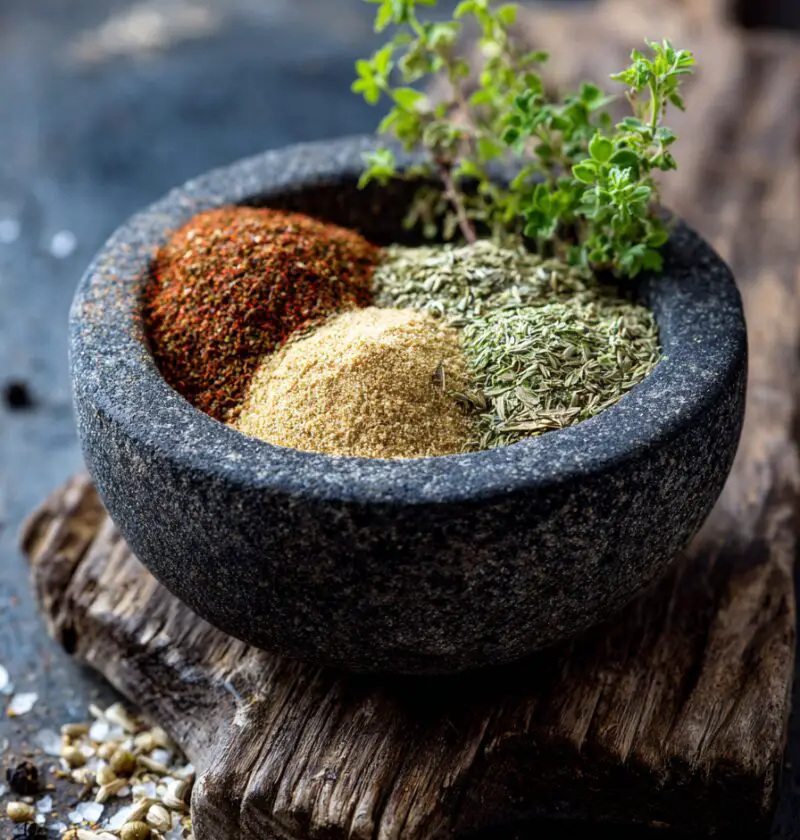
Mix thoroughly, scraping the bottom and sides of the bowl so no “pockets” of one spice remain. You should see a pretty, speckled blend with hints of green, red, and gold—like confetti, but for dinner. -
Taste and adjust the seasoning
Yes, you can taste it dry! Dab a tiny pinch on your tongue or sprinkle a bit on a piece of plain bread with olive oil. If you want it saltier, add a pinch more salt. Want more heat? Add a few more red pepper flakes. More lemony? Add a bit more dried lemon peel. -
Transfer to an airtight container
Pour your Greek seasoning blend into a clean, dry glass jar with a tight-fitting lid. A small mason jar or an empty spice jar with a shaker top works perfectly. Label it with the name and date—future you will be grateful. -
Store properly for maximum freshness
Keep your homemade Greek seasoning in a cool, dark place away from heat and light—like a pantry cabinet rather than by the stove. This helps your Mediterranean herb blend stay fragrant for 6–9 months.
Servings & Timing
- Yield: About ½ cup Greek seasoning (enough for roughly 8–10 meals, depending on how heavy-handed you are)
- Prep Time: 5–10 minutes (including measuring and light crushing of herbs)
- Chill/Rest Time: None required, though the flavors meld even more after 24 hours in the jar
- Total Time: 5–10 minutes
As a rule of thumb, use about 1–1½ teaspoons of this Greek seasoning recipe per pound of meat or vegetables, then adjust to taste.
Easy Ways to Use Your Greek Seasoning (And Fun Variations)
Once your jar is ready, the fun really starts. This is where a simple Greek herb mix becomes your “I don’t know what’s for dinner, but I’ll figure it out” safety net.
Here are some favorite variations and tweaks:
-
Lemony Grill Blend
Add extra dried lemon peel and a pinch more smoked paprika for a bolder lemon herb seasoning that’s fantastic on grilled chicken and shrimp. -
Salt-Free Greek Seasoning
Skip the salt completely and use this as a no-salt Mediterranean spice mix; just salt your dish separately so you can control every grain. -
Italian-Greek Mash-Up
Add 1 teaspoon crushed fennel seeds and a bit more basil to lean into Italian flavors while still keeping that Greek backbone—great for pasta and meatballs. -
Herby Greek Roasting Mix
Double the rosemary and thyme and add ½ teaspoon ground coriander for a heartier Greek meat seasoning perfect for lamb or beef. -
Zesty Greek Veggie Toss
Stir in 1 additional teaspoon dill and a pinch of sugar for a veggie-friendly twist that’s wonderful on roasted carrots, potatoes, or green beans. -
Spicy Greek Rub
Increase the red pepper flakes and add ½ teaspoon cayenne for a hotter Greek chicken seasoning that also works beautifully on wings or pork chops.
Storage & Make-Ahead Tips
You can think of this as “meal prep in a jar.”
-
Storage:
Store your homemade Greek seasoning in an airtight jar in a cool, dark spot—like a pantry cabinet or spice drawer—away from steam and sunlight. -
Shelf life:
For the best flavor, use within 6 months. It’s usually safe a bit longer, but the herbs lose their punch with time. -
How to tell if it’s still good:
Rub a pinch between your fingers and smell it. If the aroma is faint, dusty, or “flat,” time to make a fresh batch. -
Freezer option:
You can freeze the blend in a small freezer-safe jar or container for up to a year. Just bring to room temp before opening so condensation doesn’t sneak in. -
Make-ahead:
I often mix a double batch in the fall; then all winter long, I use it for roasted vegetables, soups, and quick sheet-pan chicken dinners. It’s one less thing to think about at 5:30 p.m. when everyone’s asking, “What’s for dinner?”
There’s no reheating needed, of course—this is a seasoning—but you can absolutely pre-season meat with it, refrigerate for up to 24 hours, and then cook when you’re ready.
Notes From My Kitchen (Little Things That Make a Big Difference)
-
Salt level is personal.
I intentionally keep the salt moderate so this Greek seasoning recipe works for a wide range of diets. You can always add more salt at the table, but you can’t take it out once it’s in the jar. -
Crush, don’t just stir.
Taking 30 seconds to lightly crush the dried herbs before mixing makes a noticeable difference. You release more essential oils and get a more fragrant Greek seasoning blend. -
Use it early in cooking.
For chicken, pork, or potatoes, sprinkle the Greek spice seasoning on at least 15–20 minutes before cooking, if you can. It gives the herbs a chance to hydrate slightly and cling better. -
Olive oil is its best friend.
A drizzle of good extra-virgin olive oil plus this Mediterranean spice mix is like instant “Greek restaurant at home.” Toss, roast, and you’re done. -
Don’t skip the lemon at serving.
Even with dried lemon peel included, a fresh squeeze of lemon over finished dishes wakes everything up—especially grilled meats and roasted vegetables. -
Label the jar.
I know this sounds silly, but I’ve played “mystery spice mix” in my own pantry one too many times. A bit of tape and a marker save you from guessing games later.
FAQs About This Greek Seasoning Recipe
1. What can I use this Greek seasoning on?
Pretty much everything savory—chicken, pork, lamb, beef, fish, shrimp, roasted potatoes, veggies, salads, grain bowls, even scrambled eggs or omelets.
2. How much Greek seasoning should I use per pound of meat or vegetables?
Start with 1–1½ teaspoons per pound, then cook and taste. You can always sprinkle a little more at the table if needed.
3. Is this Greek seasoning spicy?
It’s very mild as written; the red pepper flakes add a little warmth but not a big kick. If you’re sensitive to heat, cut the flakes in half or leave them out.
4. Can I make this without salt?
Yes. Simply leave out the salt and add salt separately when you cook. This is a great way to make a low-sodium Greek herb mix for anyone watching their intake.
5. Can I use fresh herbs instead of dried?
Fresh herbs don’t store the same way; they’ll spoil quickly in a jar. For a fresh marinade, you can use chopped fresh oregano, thyme, and parsley plus garlic and lemon—but for a shelf-stable Greek seasoning, dried herbs are the way to go.
6. How long does homemade Greek seasoning last?
For the best flavor, use it within 6 months. Keep it tightly sealed, away from heat and light, and always use a dry spoon.
7. My seasoning tastes bland—what went wrong?
Usually it’s old herbs or not enough salt. Check your herb freshness, smell the blend, and don’t be afraid to add a pinch more salt and lemon peel.
8. Can I turn this into a Greek salad dressing or marinade?
Absolutely. Whisk 1–2 teaspoons of this Greek seasoning recipe with 3 tablespoons olive oil, 1–2 tablespoons red wine vinegar or lemon juice, and a pinch of extra salt. Instant Greek vinaigrette or marinade.
Conclusion
This simple Greek Seasoning Recipe is one of those quiet little kitchen helpers that ends up earning a permanent spot on your counter. It’s fast to mix, easy on the budget, and full of bright, herby, authentic Greek flavors that make even plain chicken or vegetables feel a little special.
If you try this homemade Greek seasoning, let me know how you like to use it—Greek chicken, roasted veggies, potatoes, or something totally unexpected. Leave a comment, share your twist, and if you’re craving more Mediterranean inspiration, pair this blend with homemade tzatziki, Greek salad, or a simple lemon-olive oil roasted potato dish next.
Greek Seasoning Recipe
Ingredients
- 3 tablespoons dried oregano Greek oregano if possible
- 2 tablespoons dried basil
- 2 tablespoons dried parsley
- 1 tablespoon dried thyme
- 1 tablespoon dried rosemary lightly crushed
- 1 tablespoon garlic powder not garlic salt
- 2 teaspoons onion powder
- 2 teaspoons kosher salt use 1 teaspoon for lower sodium; reduce if using fine salt
- 1 1/2 teaspoons freshly ground black pepper
- 1 1/2 teaspoons dried marjoram optional but recommended
- 1 teaspoon dried dill weed
- 1 teaspoon smoked paprika or sweet paprika for a more classic flavor
- 1 teaspoon lemon zest powder or 1 tablespoon dried lemon peel, finely crushed
- 1/4-1/2 teaspoon red pepper flakes optional, for subtle heat
Instructions
- Add all ingredients—oregano, basil, parsley, thyme, rosemary, garlic powder, onion powder, salt, black pepper, marjoram, dill, paprika, lemon zest powder or dried lemon peel, and red pepper flakes—into a small mixing bowl.
- Lightly crush the dried rosemary and any larger herb pieces between your fingers or with the back of a spoon to break them up and release their oils.
- Stir the mixture thoroughly, scraping the bottom and sides of the bowl so there are no pockets of any single spice. The blend should look evenly speckled.
- Taste a tiny pinch of the dry seasoning or sprinkle some on plain bread with olive oil. Adjust to taste by adding more salt, red pepper flakes, or dried lemon peel as desired.
- Pour the Greek seasoning into a clean, dry glass jar with a tight-fitting lid. Label the jar with the name and date.
- Store the jar in a cool, dark place away from heat and light, such as a pantry cabinet or spice drawer. Use within 6–9 months for best flavor.