Ezekiel Bread Recipe (Flourless Sprouted Grain “Biblical Bread”)
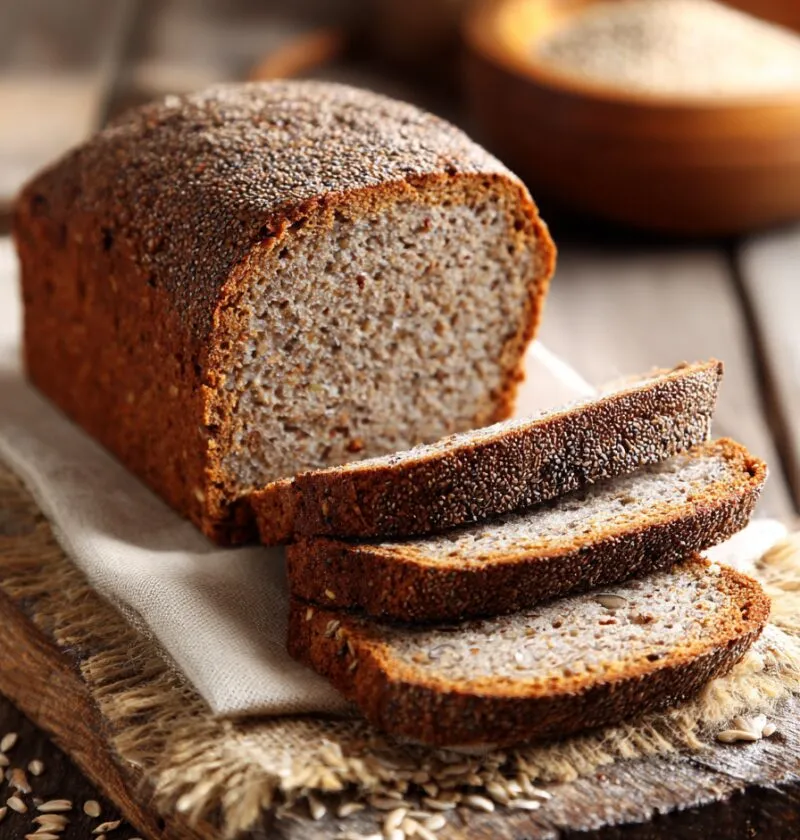
This hearty Ezekiel Bread Recipe is a flourless, sprouted grain bread that’s dense, chewy, naturally nutrient-packed, and perfect for anyone craving real, unprocessed bread you can actually feel good about eating.
I’m 50 now, my metabolism isn’t what it used to be, and I’m much more aware of what I’m putting in my body. This homemade Ezekiel bread recipe—based on the biblical bread from the Book of Ezekiel—is my answer to those store-bought loaves that cost a small fortune. It’s a sprouted grain bread built from whole grains, lentils, and beans, with no flour and very little sweetener. You get a nutrient-dense, high-protein, high-fiber loaf that feels like old-world, ancient grains bread but still fits modern clean eating goals.
Yes, it takes a little planning with all the sprouting, but once you’ve done it once, you’ll see it’s more about time than effort. I like to bake a few loaves on a slow Sunday, freeze them, and then enjoy whole grain Ezekiel bread all week long for toast, sandwiches, or a hearty slice with soup.
Why You’ll Love This Ezekiel Bread Recipe
- Flourless and real-food focused – This is true flourless grain bread made from whole, sprouted grains and legumes, not refined flour.
- Nutrient-dense and satisfying – Packed with fiber, plant-based protein, and minerals from sprouted wheat, barley, millet, and lentils.
- Naturally low in sugar – A genuinely low sugar bread recipe; just a little honey or maple to wake up the yeast.
- Great for meal prep – Loaves freeze beautifully, so you can bake once and eat healthy sprouted bread for weeks.
- Vegan and dairy-free friendly – Use maple syrup instead of honey and it becomes a completely vegan Ezekiel bread.
- Better digestion for many people – Sprouting helps break down some antinutrients and can make grains and beans easier to digest.
- Budget-friendly “health” bread – Homemade Ezekiel bread costs a fraction of store-bought brands.
- Customizable texture – Make it more rustic and dense or slightly softer depending on how finely you blend the grains.
- Perfect for hearty meals – Stands up well to toppings, from avocado to nut butter, without falling apart.
Ingredients
This Ezekiel Bread Recipe makes 2 standard 9×5-inch loaves.
Dry Sprouted Grain & Legume Base
You’ll be sprouting these first, then using them in the batter:
- 2 cups hard red wheat berries (for hearty flavor and structure)
- 1 cup spelt berries or additional wheat berries (spelt adds a sweet, nutty note)
- ½ cup hulled barley (for that classic sprouted barley bread richness)
- ½ cup millet (adds lightness and gentle crunch if not fully pureed)
- ⅓ cup dried green lentils (protein boost; don’t use red lentils—they turn mushy)
- ¼ cup dried pinto beans (or navy beans; very small beans sprout more easily)
- ¼ cup dried chickpeas (garbanzo beans; adds density and protein)
Wet Ingredients & Flavor
- 2 cups warm water, about 105–110°F (warm to the touch, not hot)
- ¼ cup honey or pure maple syrup (for yeast and light sweetness)
- ¼ cup neutral oil or melted coconut oil (I like avocado oil for a clean taste)
- 2 tsp fine sea salt (balances all those earthy grains)
- 2 packets active dry yeast (4½ tsp total)
Optional Add-Ins
- 2–4 Tbsp vital wheat gluten (for a slightly lighter, less crumbly loaf—skip if gluten-sensitive)
- ¼ cup sunflower seeds (for crunch)
- 2 Tbsp flaxseeds or chia seeds (for extra omega-3s and fiber)
- 1–2 tsp ground cinnamon (if you enjoy a hint of warm spice in your sprouted wheat bread)
Ingredient Tips
- Grains: Look for organic wheat berries, spelt, and barley in the bulk section or online (Bob’s Red Mill, Azure Standard, or local co-ops are great).
- Legumes: Make sure they’re fresh; older beans take longer to sprout or may not sprout well.
- Yeast: If you bake often, SAF instant yeast is reliable; you can use it just like active dry in this recipe.
- Oil: Extra-virgin olive oil works too but will give a more pronounced flavor. I like neutral oil so the grain flavor shines.
Directions
Note: There are three parts—sprouting, mixing, and baking. Most of the time is hands-off.
-
Rinse and soak your grains and legumes.
Place the wheat berries, spelt, barley, millet, lentils, pinto beans, and chickpeas in a large bowl or pot and rinse well under cool running water. Cover with at least 3–4 inches of water (they expand as they soak). Let soak 8–12 hours or overnight at room temperature. -
Drain and start the sprouting process.
After soaking, drain the grains and legumes in a large mesh strainer or sprouting jar. Rinse with fresh cool water, drain thoroughly, and place them at a slight angle so any excess water can drip out. Keep them in a spot that’s cool and out of direct sunlight. -
Rinse and drain until tails appear.
Rinse and drain the mixture 2–3 times a day. Within 24–48 hours, you’ll see small “tails” (little white sprouts) about ¼ inch long. You don’t want long roots here—short tails are perfect for sprouted grain bread and keep the flavor mild. If your kitchen is warm, it may go faster. -
Stop sprouting and pat dry.
Once the grains and legumes are sprouted, give them a final rinse, then drain very well. Spread them out on clean kitchen towels or paper towels and gently pat dry. You don’t need them bone-dry, but less excess moisture means better bread texture. -
Preheat the oven and prep pans.
When you’re ready to bake, preheat your oven to 375°F (190°C). Grease two 9×5-inch loaf pans with oil or line them with parchment paper, letting a bit of parchment hang over the sides for easy lifting. -
Proof the yeast.
In a medium bowl or measuring cup, stir the warm water (105–110°F) with the honey or maple syrup. Sprinkle the yeast on top, stir gently, and let it sit for about 5–10 minutes until it’s foamy. If it doesn’t foam, your yeast is likely inactive—start again with fresh yeast. -
Blend the sprouted mixture.
Add the sprouted grains and legumes to a food processor or high-powered blender in batches. Pulse until you get a thick, slightly coarse paste—like a thick muffin batter, not a smooth puree. A little texture gives that classic homemade biblical bread feel. If your machine struggles, add 1–2 tablespoons of the yeast mixture to help it along. -
Combine the batter.
In a large mixing bowl, combine the sprouted paste, foamy yeast mixture, oil, salt, and any optional add-ins (vital wheat gluten, seeds, cinnamon). Stir with a sturdy wooden spoon or spatula. The “dough” will be more like heavy batter than typical bread dough—sticky, thick, and scoopable, not kneadable. That’s exactly what we want for flourless sprouted bread. -
Portion into pans and smooth the tops.
Divide the batter evenly between the two prepared loaf pans. Use a spatula or wet hands to gently spread and smooth the tops. If you like, sprinkle extra seeds on top for a pretty finish. -
Let it rise.
Cover the pans loosely with a clean kitchen towel or lightly greased plastic wrap. Place them in a warm, draft-free spot—near (but not on) a warm oven works well. Let rise 45–60 minutes. The loaves might not double like regular bread but should puff up and look slightly rounded on top. -
Bake until deeply golden.
Bake the loaves at 375°F for 35–45 minutes. The tops should be well-browned and firm. If you use an instant-read thermometer, the internal temperature should be around 200–205°F. If the tops brown too fast, tent loosely with foil during the last 10–15 minutes. -
Cool completely before slicing.
Remove the loaf pans from the oven, cool for 10–15 minutes in the pans, then gently lift out and transfer to a wire rack. Let the bread cool completely—at least 1–2 hours. Ezekiel bread slices much better once it’s fully cooled and set.
Servings & Timing
- Yield: 2 standard 9×5-inch loaves (about 24–28 slices total)
- Prep Time (active): 30–40 minutes (spread over a couple of days)
- Sprouting Time (mostly hands-off): 24–48 hours
- Rise Time: 45–60 minutes
- Bake Time: 35–45 minutes
- Total Time (from soaking to slicing): About 2–3 days, with most of that being soak/sprout time
You’re really just checking in on the grains and doing small bursts of work—this is a great “background project” for a home weekend.
Variations
- Cinnamon Raisin Ezekiel Bread: Add ½–⅔ cup raisins and 2 teaspoons cinnamon to the batter for a breakfast-style sprouted wheat bread.
- Seeded Sprouted Grain Bread: Stir in ¼ cup each of sunflower, pumpkin, and sesame seeds for an extra-crunchy, nutrient dense bread.
- Gluten-Lighter Version: Swap the barley for more millet and skip the vital wheat gluten—still not gluten-free, but a little easier for some.
- Savory Herb Loaf: Add 1–2 teaspoons dried rosemary, thyme, or Italian seasoning for a fantastic soup or sandwich bread.
- Low-Oil Version: Reduce oil to 2 tablespoons and add 2 tablespoons unsweetened applesauce for moisture without much fat.
- Mini Loaves or Muffin Breads: Bake the batter in greased mini loaf pans or muffin tins and reduce bake time to about 18–25 minutes.
Storage & Reheating
Sprouted grain and Ezekiel bread keeps beautifully if you store it right.
- Room Temperature: Because this is a moist, flourless grain bread, I only keep it at room temp for up to 24 hours, well wrapped, especially in warm climates.
- Refrigerator: Wrap the cooled loaves tightly in plastic wrap or place slices in an airtight container. Store up to 5–6 days.
- Freezer: For longer storage, slice the bread first, then wrap stacks of 4–6 slices or place parchment between slices in a freezer bag. Freeze for up to 3 months.
Reheating / Toasting
- Toast frozen slices straight from the freezer in a toaster or toaster oven—no need to thaw first.
- For softer slices, let them thaw at room temperature, then warm briefly in a low oven (300°F for 5–10 minutes) or in a covered skillet over low heat.
Make-Ahead Tip
Sprout the grains, then refrigerate the sprouted mixture for up to 24 hours before blending and baking if life gets busy. Just make sure they’re well drained and stored in an airtight container.
Notes from My Kitchen
- Texture expectations: This isn’t fluffy sandwich bread. Homemade Ezekiel bread is naturally dense, moist, and a bit chewy—more like a rustic European loaf or old-world biblical bread recipe.
- Don’t stress over perfect sprouts: If some grains sprout more than others, that’s fine. You’re aiming for short tails overall; it doesn’t have to be uniform.
- Food processor vs. blender: A food processor usually handles the sprouted mix more easily. If you’re using a blender, work in smaller batches and stop to scrape the sides often.
- Salt levels: Don’t skimp on the salt. With all those whole grains and legumes, salt brings everything into balance. I tested this recipe with less salt and it tasted flat.
- Let it cool fully: I know it’s tempting, but slicing this bread while it’s hot makes it crumbly. Once it’s cooled, you’ll get cleaner slices and better texture.
- Best ways to enjoy it: My favorite pairings? Toasted with almond butter and sliced banana, or with mashed avocado, sea salt, and red pepper flakes. It’s also lovely next to a big pot of vegetable soup.
FAQs
1. What exactly is Ezekiel bread?
Ezekiel bread is a flourless, sprouted grain bread inspired by a verse in the Book of Ezekiel that lists wheat, barley, beans, lentils, millet, and spelt. It’s made from whole, sprouted grains and legumes rather than refined flour.
2. Is this Ezekiel Bread Recipe gluten-free?
No. Even though it’s flourless grain bread, it still contains gluten from wheat, spelt, and barley. Sprouting can help some people digest it better, but it’s not safe for those with celiac disease.
3. Do I have to sprout the grains, or can I use them dry?
For true Ezekiel bread and better digestibility, sprouting is key. Using dry grains will change the moisture level and texture, and the bread won’t have the same nutritional profile.
4. My grains aren’t sprouting—what went wrong?
Common issues are old grains/beans, too hot or too cold a spot, or not enough rinsing. Try fresher grains, keep them at room temperature (around 68–75°F), and remember to rinse and drain 2–3 times per day.
5. Can I make this in a bread machine?
Most bread machines struggle with this thick batter-style dough. You could mix the batter in the machine on the “dough” setting, but I recommend baking in a standard loaf pan for best results.
6. Why is my Ezekiel bread so dense?
It’s naturally dense, but if it’s too heavy, the batter might have been over-processed or too wet, or the yeast might have underperformed. Make sure your yeast is fresh and your batter is thick, not runny.
7. Can I cut the sweetener entirely to make it sugar-free?
You can reduce it, but yeast needs a little sugar to activate well. I don’t recommend cutting it completely; the small amount used here keeps this a low sugar bread recipe while still giving good rise.
8. How do I make this bread fully vegan?
Just use maple syrup (or another liquid sweetener you like) instead of honey. The rest of the recipe is already a dairy free bread recipe and naturally egg-free.
Conclusion
This Ezekiel Bread Recipe is the sort of thing that makes you feel like you’re feeding your body and your soul—sprouted grains, beans, and seeds turned into hearty, wholesome bread that actually fills you up and keeps you going. It’s an old-fashioned style of healthy sprouted bread that fits right in with modern clean eating and freezer meal prep.
If you give this homemade Ezekiel bread a try, I’d love to hear how it turns out for you—tell me in the comments how you served it (and whether your family noticed it was “healthy”). And if you enjoy this kind of unprocessed grain bread, you might also like experimenting with other sprouted grain loaves or ancient grains bread recipes next.
Ezekiel Bread (Flourless Sprouted Grain “Biblical Bread”)
Ingredients
- 2 cups hard red wheat berries for hearty flavor and structure
- 1 cup spelt berries or additional wheat berries; spelt adds a sweet, nutty note
- 1/2 cup hulled barley adds classic sprouted barley bread richness
- 1/2 cup millet adds lightness; gentle crunch if not fully pureed
- 1/3 cup dried green lentils do not use red lentils; they turn mushy
- 1/4 cup dried pinto beans or navy beans; very small beans sprout more easily
- 1/4 cup dried chickpeas garbanzo beans; adds density and protein
- 2 cups warm water about 105–110°F (warm to the touch, not hot) for proofing yeast
- 1/4 cup honey or pure maple syrup for yeast and light sweetness
- 1/4 cup neutral oil or melted coconut oil such as avocado oil; extra-virgin olive oil works but has stronger flavor
- 2 teaspoons fine sea salt balances the earthy grains
- 2 packets active dry yeast 4 1/2 teaspoons total; instant yeast like SAF can be used the same way
- 2 tablespoons vital wheat gluten optional; up to 4 Tbsp for a lighter, less crumbly loaf; skip if gluten-sensitive
- 1/4 cup sunflower seeds optional; for crunch, plus more for sprinkling on top
- 2 tablespoons flaxseeds or chia seeds optional; for extra omega-3s and fiber
- 1 teaspoon ground cinnamon optional; use up to 2 teaspoons if you like a warm spice note
Instructions
- Place the wheat berries, spelt, barley, millet, lentils, pinto beans, and chickpeas in a large bowl or pot. Rinse well under cool running water. Cover with at least 3–4 inches of water to allow for expansion and let soak 8–12 hours or overnight at room temperature.2 cups hard red wheat berries, 1 cup spelt berries, 1/2 cup hulled barley, 1/2 cup millet, 1/3 cup dried green lentils, 1/4 cup dried pinto beans, 1/4 cup dried chickpeas
- After soaking, drain the grains and legumes in a large mesh strainer or sprouting jar. Rinse with fresh cool water, drain thoroughly, and place at a slight angle so excess water can drip out. Keep in a cool spot out of direct sunlight.
- Rinse and drain the mixture 2–3 times per day. Within 24–48 hours, small white sprouts (“tails”) about 1/4 inch long should appear. Short tails are ideal; do not let long roots develop.
- Once sprouted, give the grains and legumes a final rinse and drain very well. Spread out on clean kitchen towels or paper towels and gently pat dry. They do not need to be completely dry, just free of excess surface moisture.
- When ready to bake, preheat the oven to 375°F (190°C). Grease two 9x5-inch loaf pans with oil or line with parchment paper, leaving some parchment overhanging for easy lifting.
- In a medium bowl or large measuring cup, stir the warm water (105–110°F) with the honey or maple syrup. Sprinkle the yeast on top, stir gently, and let sit 5–10 minutes until foamy. If it does not foam, discard and repeat with fresh yeast.2 cups warm water, 1/4 cup honey or pure maple syrup, 2 packets active dry yeast
- Add the sprouted grains and legumes to a food processor or high-powered blender in batches. Pulse until you have a thick, slightly coarse paste resembling thick muffin batter rather than a smooth puree. If your machine struggles, add 1–2 tablespoons of the yeast mixture to help it process.
- In a large mixing bowl, combine the sprouted grain paste with the foamy yeast mixture, oil, salt, and any optional add-ins like vital wheat gluten, seeds, or cinnamon. Stir with a sturdy spoon or spatula. The mixture will be a heavy, sticky, scoopable batter, not a kneadable dough.1/4 cup neutral oil or melted coconut oil, 2 teaspoons fine sea salt, 2 tablespoons vital wheat gluten, 1/4 cup sunflower seeds, 2 tablespoons flaxseeds or chia seeds, 1 teaspoon ground cinnamon
- Divide the batter evenly between the two prepared 9x5-inch loaf pans. Use a spatula or wet hands to gently spread and smooth the tops. Sprinkle extra seeds on top if desired.
- Cover the pans loosely with a clean kitchen towel or lightly greased plastic wrap. Place in a warm, draft-free spot. Let rise 45–60 minutes. The loaves may not fully double in size but should puff and round slightly on top.
- Bake at 375°F (190°C) for 35–45 minutes, until the tops are deeply golden brown and firm. An instant-read thermometer inserted into the center should read about 200–205°F. If the tops brown too quickly, tent loosely with foil during the last 10–15 minutes.
- Remove the pans from the oven and cool the loaves in the pans for 10–15 minutes. Lift out and transfer to a wire rack. Cool completely for at least 1–2 hours before slicing to prevent crumbling and to allow the texture to set.