Cottage Cheese Pasta Sauce Recipe
If you want a creamy, cozy, healthy pasta dinner without heavy cream, this Cottage Cheese Pasta Sauce Recipe is about to earn a permanent spot in your weeknight rotation.
A Creamy Little Secret for Busy Nights
There’s something so satisfying about a pasta sauce that tastes indulgent but is secretly smart. This cottage cheese pasta sauce is silky, rich, and full of flavor, yet it’s made with simple ingredients you may already have in the fridge and pantry. That’s my kind of cooking these days—practical, nourishing, and good enough that nobody at the table feels like they’re “eating healthy.”
What makes this pasta sauce recipe special is the cottage cheese itself. Once blended, it turns into a velvety creamy pasta sauce with a mild, slightly tangy flavor that plays beautifully with garlic, Parmesan, and a splash of pasta water. It’s lighter than Alfredo, higher in protein than many traditional sauces, and far more budget-friendly than a lot of trendy “healthy” recipes making the rounds online.
I especially love serving this on those evenings when I need dinner on the table fast but still want something homemade. It’s also a lovely vegetarian pasta sauce for lunch meal prep, and if you’ve got teenagers, gym-goers, or hungry husbands in the house, that high protein pasta angle goes over very well. Around here, anything creamy and comforting disappears fast.
Why You’ll Love This Recipe
- Ready in about 20 minutes from start to finish
- High in protein, thanks to cottage cheese and Parmesan
- Creamy without using heavy cream
- Great for busy weeknights and quick pasta dinner plans
- Budget-friendly and made with everyday ingredients
- Easy to customize with herbs, veggies, or spice
- Kid-friendly, mild, and smooth when blended well
- A smart make-ahead sauce for lunch prep
- Delicious as a vegetarian pasta sauce or base for add-ins
- Perfect for anyone wanting a simple pasta recipe that still feels special
Ingredients
Here’s what you’ll need for this homemade pasta sauce:
- 12 ounces pasta (penne, rigatoni, rotini, or spaghetti all work well)
- 1 cup cottage cheese (full-fat gives the creamiest finish; low-fat works too)
- 1/2 cup grated Parmesan cheese (freshly grated melts smoother than shelf-stable)
- 2 tablespoons olive oil
- 3 cloves garlic, minced
- 1/2 teaspoon kosher salt (plus more for pasta water)
- 1/4 teaspoon black pepper
- 1/2 teaspoon onion powder
- 1/2 teaspoon Italian seasoning
- 1/4 teaspoon red pepper flakes (optional, for gentle heat)
- 1/2 cup reserved pasta water, plus more as needed
- 1 tablespoon lemon juice (brightens the sauce beautifully)
- 2 tablespoons tomato paste (optional, for a blush-style sauce with extra depth)
- 2 tablespoons chopped fresh basil or parsley for serving
- Extra Parmesan, for topping
Simple substitutions and helpful ingredient tips
- Cottage cheese: Use small curd if possible—it blends more quickly. Good Culture is excellent if you can find it, but store brands work just fine.
- Parmesan: Pecorino Romano gives a saltier, sharper bite.
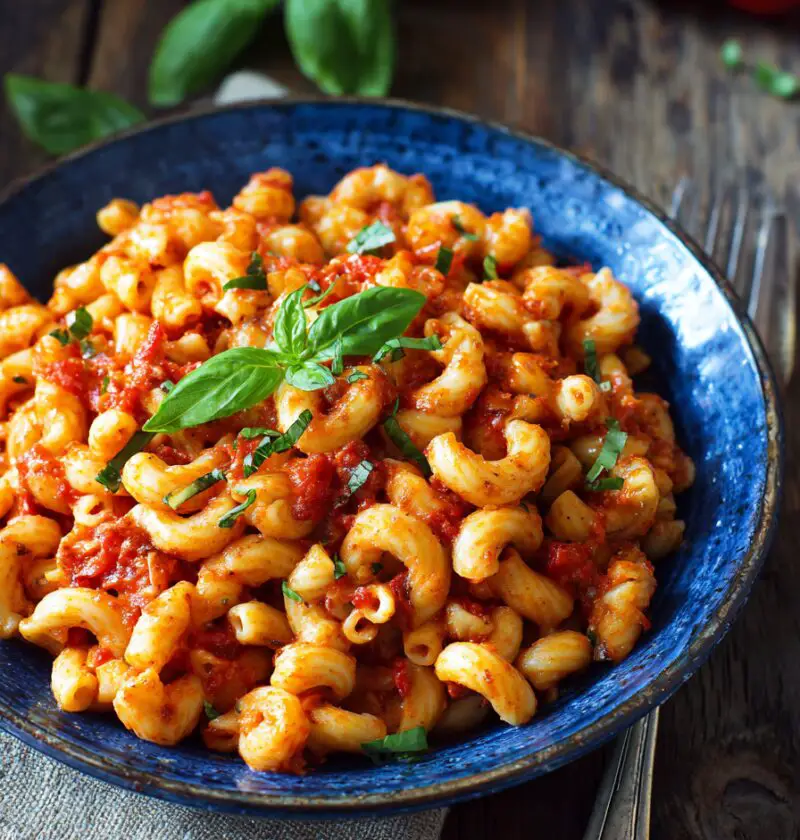
- Pasta: Short pasta holds this blended cottage cheese sauce especially well because it clings to the ridges and curves.
- Garlic: Fresh is best here. Garlic powder can work in a pinch, but the flavor won’t be as lively.
- Lemon juice: A little acid balances the richness. If you skip it, the sauce can taste flat.
- Tomato paste: Not required, but it’s wonderful if you want a pink, slightly deeper healthy pasta sauce.

How to Make It Without Fuss
-
Boil the pasta in well-salted water.
Bring a large pot of water to a rolling boil and salt it generously—it should taste like the sea, as the chefs say. Cook the pasta until al dente according to the package directions. Before draining, reserve at least 1/2 cup of pasta water. That starchy water is your secret weapon for a glossy sauce. -
Blend the cottage cheese mixture until smooth.
In a blender or food processor, combine the cottage cheese, Parmesan, salt, pepper, onion powder, Italian seasoning, lemon juice, and tomato paste if using. Blend until totally smooth. Don’t rush this step; give it an extra 20 to 30 seconds if needed. You want the sauce silky, not grainy. -
Sauté the garlic gently.
While the pasta cooks, heat olive oil in a large skillet over medium-low heat. Add the minced garlic and red pepper flakes, if using. Stir for about 30 to 60 seconds, just until fragrant. Don’t let the garlic brown—burned garlic can turn the whole sauce bitter, and that’s a heartbreaker. -
Warm the sauce carefully.
Pour the blended cottage cheese sauce into the skillet with the garlic. Stir in about 1/4 cup of the reserved pasta water to loosen it. Keep the heat low. Cottage cheese behaves beautifully when treated gently, but if the pan gets too hot, the sauce can tighten up instead of turning luscious. -
Add the pasta and toss well.
Add the drained pasta straight to the skillet. Toss everything together until the noodles are coated. If the sauce seems too thick, add more pasta water a tablespoon or two at a time until it reaches your favorite consistency. It should look creamy and glossy, not stiff. -
Taste and adjust before serving.
Give it a taste and add more salt, black pepper, lemon juice, or Parmesan if needed. This is the moment to make it your own. A little extra basil on top makes it taste fresh and bright. -
Serve hot with finishing touches.
Spoon into bowls and top with more Parmesan and chopped herbs. If you like, add cracked black pepper or a drizzle of olive oil. Serve right away while the sauce is at its creamiest.
Servings & Timing
- Yield: 4 generous servings
- Prep Time: 10 minutes
- Cook Time: 10 minutes
- Total Time: 20 minutes
That makes this an ideal quick pasta dinner for weeknights, late work evenings, or those nights when everybody’s hungry now and patience is in short supply.
Variations to Keep Things Interesting
If you’re like me, you rarely make the same recipe exactly the same way twice. Here are a few easy twists:
- Add spinach: Stir in a few handfuls of baby spinach at the end until wilted.
- Make it spicy: Add more red pepper flakes or a spoonful of Calabrian chili paste.
- Go herby: Blend in fresh basil for a cottage cheese pasta sauce that tastes a bit like lazy-day pesto.
- Boost the veggies: Toss in roasted broccoli, peas, sautéed mushrooms, or zucchini.
- Use whole wheat or chickpea pasta: Great for even more fiber and protein in your high protein pasta dinner.
- Try a rosier sauce: Add tomato paste or a few spoonfuls of marinara for a pink creamy pasta sauce.
Storage & Reheating
This sauce stores surprisingly well, which is always nice when you’re cooking for one, two, or planning lunches ahead.
- Refrigerator: Store leftovers in an airtight container for up to 3 days.
- Freezer: You can freeze it, though the texture is best fresh. If freezing, store in a freezer-safe container for up to 2 months.
- Reheating: Warm slowly on the stovetop over low heat or in the microwave in short bursts. Add a splash of milk, water, or broth to loosen the sauce as it reheats.
- Make-ahead tip: Blend the sauce up to 2 days ahead and keep it chilled in the fridge. Then warm it gently and toss with freshly cooked pasta when ready to serve.
One little note—like many dairy-based sauces, this one thickens as it sits. That’s not a flaw. It simply needs a splash of liquid and a gentle stir to come back to life.
Notes from My Kitchen
After testing this easy cottage cheese pasta a few different ways, I learned a couple of things the hard way, so you don’t have to.
First, blend longer than you think you need to. Cottage cheese can go from “pretty smooth” to “restaurant-level creamy” with another 20 seconds in a decent blender. I’ve used a Ninja and a Vitamix; both gave lovely results, though the high-powered blender got there faster.
Second, keep the skillet heat low once the sauce goes in. This isn’t the moment for impatience. Gentle heat gives you a smooth texture. Too much heat can make dairy sauces act fussy, and honestly, weeknight dinner is not the time for drama.
And third, salt matters quite a bit here. Because cottage cheese brands vary, one batch may need more seasoning than another. Taste before serving. Taste again if you add extra pasta water. Tiny changes make a big difference in a simple pasta recipe like this.
If you want a richer finish, stir in a tablespoon of butter right before serving. If you want it even lighter, use low-fat cottage cheese and a little extra lemon juice. Both versions work.
FAQs
Can you really make pasta sauce with cottage cheese?
Absolutely. Once blended, cottage cheese becomes smooth and creamy, making it a wonderful base for a healthy, protein-rich sauce.
Does cottage cheese melt into the sauce?
It doesn’t melt like shredded cheese, but when blended and gently warmed, it becomes velvety and smooth.
Will the sauce taste strongly like cottage cheese?
Not really. The flavor is mild, and the garlic, Parmesan, lemon, and herbs round it out beautifully.
What pasta shape works best for this recipe?
Short shapes like penne, rigatoni, and rotini are excellent because they hold onto the sauce well, but spaghetti works too.
Can I make this sauce without a blender?
You can try a food processor or immersion blender. Without blending, the texture will be lumpier and less like a classic creamy pasta sauce.
Is this a good high-protein pasta recipe?
Yes, it is. Cottage cheese and Parmesan add a solid protein boost, especially compared with many standard cream-based sauces.
Can I add chicken or other protein?
Of course. While this is a great vegetarian pasta sauce, grilled chicken, turkey sausage, or even white beans fit in nicely.
Why is my sauce too thick?
Usually, it just needs more reserved pasta water. Add it a little at a time while tossing until the sauce loosens up.
Can I serve this cold or as pasta salad?
It’s best warm, but you can chill leftovers and enjoy them as a creamy pasta salad-style lunch. I’d add a touch more lemon for that version.
Conclusion
This Cottage Cheese Pasta Sauce Recipe is creamy, quick, wholesome, and much more delicious than you might expect from such a humble ingredient list. It’s an easy win for busy nights, meal prep, and anyone wanting a healthy pasta sauce that still feels comforting. If you try it, leave a comment and let me know how you made it your own—and if you’re in the mood, explore a few more homemade pasta sauce ideas for your next cozy dinner.