Coconut Flour Recipe: A Versatile, Gluten-Free Base for Pancakes, Muffins, Bread & More
If you’ve been curious about gluten free baking, this all-purpose coconut flour recipe base is a cozy, flavorful way to make low carb dessert, bread, pancakes, and even cookies without feeling like you’re “missing out.”
I’m a 50-year-old mom, grandma, and serious home baker, and this Coconut Flour Recipe has become my go-to “master mix” whenever I want something grain free, paleo friendly, and a little kinder to my blood sugar. It’s a simple, healthy coconut flour blend you can use for coconut flour pancakes, coconut flour muffins, coconut flour cookies, coconut flour bread, and more—without starting from scratch every single time.
Think of this as your pantry-friendly coconut flour dough and batter base: high fiber, keto friendly with a few tweaks, and surprisingly tender when you treat it right.
What This Coconut Flour Recipe Actually Is
Let me explain what we’re making, because “coconut flour recipe” can mean a lot of things.
We’re not just baking one cake or one batch of brownies here. We’re mixing up a flexible, balanced coconut flour batter base that you can immediately turn into:
- Fluffy coconut flour pancakes
- Soft coconut flour muffins
- Tender coconut flour bread
- Chewy coconut flour cookies
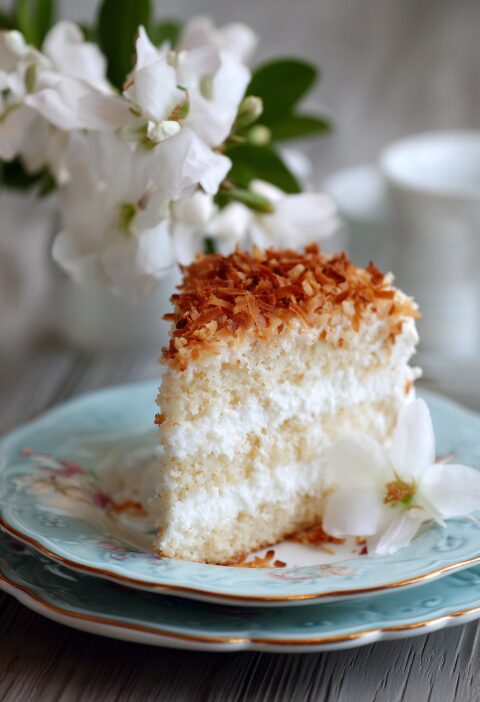
- A simple coconut flour cake (or cupcakes)
- Fudgy coconut flour brownies with a couple of small tweaks
Coconut flour is a little quirky. It’s grain free, low carb, rich in fiber, and it soaks up liquid like a sponge. If you’ve ever tossed it into a regular wheat recipe and wound up with something dry and crumbly—yep, I’ve been there too.
So this recipe is really the “sweet spot ratio” I’ve tested again and again until my family stopped saying, “This is good… for gluten free,” and started saying, “Can you make that coconut flour cake again?”
I love using this base:
- For Sunday pancakes when my son is watching his carbs
- As a paleo friendly recipe for friends who avoid grains
- For quick coconut flour muffins when I’ve got overripe bananas staring at me
- As a keto coconut flour treat when I swap the sugar
If you’re new to grain free baking, this is a forgiving place to start. If you’re already deep into low carb dessert land, this may become one more reliable tool in your kitchen toolbox.
Why You’ll Love This Recipe
Why You’ll Love This Recipe
- Easy, one-bowl method that’s friendly even if you’re new to gluten free baking.
- Uses everyday, affordable ingredients—no weird gums or expensive blends.
- Flexible base you can turn into pancakes, muffins, bread, cookies, brownies, or cake.
- Naturally grain free and gluten free, with simple tweaks for keto or paleo.
- High in fiber thanks to healthy coconut flour, so it’s more filling than regular treats.
- Lower carb than classic wheat flour recipes, especially if you use a low carb sweetener.
- Kid-approved texture—moist, tender, and not dry or crumbly.
- Meal-prep friendly: batter works beautifully for muffins you can freeze and reheat.
- Great for those “I need something sweet but not a sugar bomb” moments.
- Customizable flavor: turn it into lemon, chocolate, cinnamon, pumpkin spice—and beyond.
Ingredients
Ingredients for the Coconut Flour Recipe Base
This base makes about 12 regular muffins, 1 standard loaf, a small cake (8-inch), or 10–12 medium pancakes.
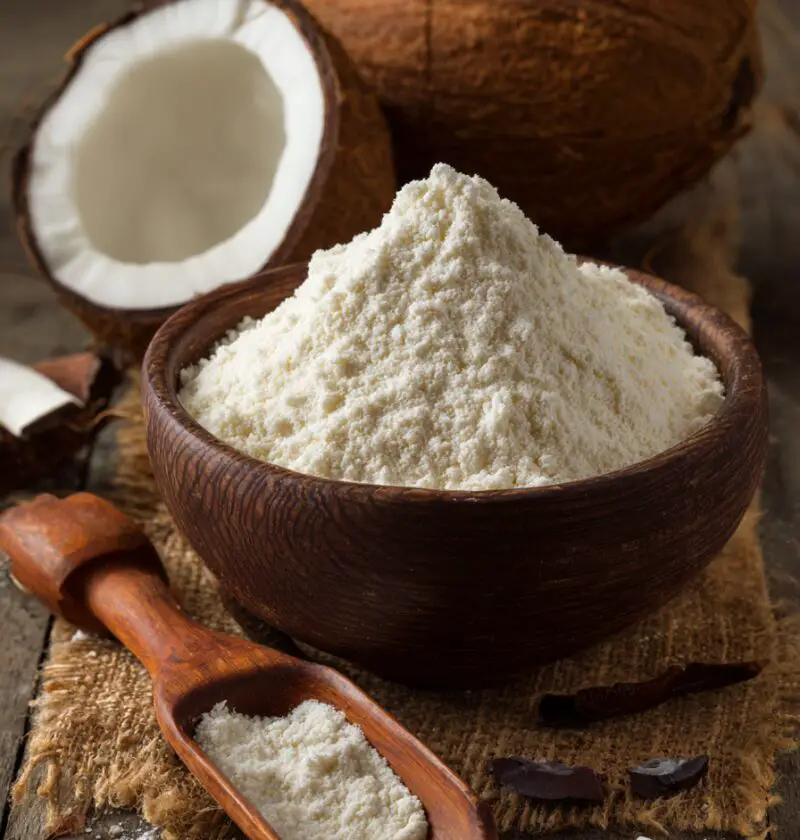
- ½ cup (56 g) coconut flour
- Use a fine, soft coconut flour (I’ve had good luck with Bob’s Red Mill and Trader Joe’s).
- ¼ cup (28 g) almond flour (optional, but highly recommended for tenderness)
- You can use extra coconut flour instead, but the texture will be more “eggy.”
- ¼ teaspoon fine sea salt
- 1 teaspoon baking powder (aluminum-free if possible)
- ¼ teaspoon baking soda (helps lift, especially for muffins and bread)
- 4 large eggs, room temperature
- Room temp eggs mix better and give more lift.
- ⅓ cup (80 ml) milk of choice
- Whole milk, almond milk, or coconut milk all work. For extra richness, use canned coconut milk and thin with a little water.
- ¼ cup (60 ml) melted coconut oil or unsalted butter
- Coconut oil keeps it dairy free and adds a gentle coconut aroma; butter gives that bakery-style flavor.
- ⅓–½ cup (65–100 g) sweetener
- Use coconut sugar, brown sugar, or maple syrup for paleo friendly; or granulated erythritol/monk fruit for keto coconut flour baking. Start with ⅓ cup if you prefer it less sweet.
- 1½ teaspoons pure vanilla extract
- 2 tablespoons plain Greek yogurt or sour cream (for moisture)
- Use full-fat if you can; it really helps the texture. Dairy-free yogurt works too.
Optional add-ins by style
- For coconut flour pancakes: 2–3 tablespoons additional milk for a pourable batter
- For coconut flour bread or muffins: ½–1 cup mix-ins (blueberries, chopped nuts, sugar-free chocolate chips)
- For coconut flour cake: add 2 tablespoons milk + 2 tablespoons extra sweetener
- For coconut flour brownies: add ¼ cup cocoa powder + ¼ cup melted dark chocolate, reduce coconut flour to ⅓ cup
Directions
How To Make This Coconut Flour Recipe Base
-
Prep your pan or griddle
- For muffins or cake: Preheat oven to 350°F (175°C). Line a muffin tin with paper liners or grease an 8-inch round or loaf pan with coconut oil or butter.
- For pancakes: Preheat a nonstick skillet or griddle over medium-low heat and lightly grease.
-
Mix your dry ingredients
- In a medium bowl, whisk together coconut flour, almond flour, salt, baking powder, and baking soda.
- Break up any coconut flour clumps with your whisk or fingertips—this helps avoid grainy pockets later.
-
Whisk the wet ingredients
- In a large bowl, whisk the eggs until they’re well combined and slightly frothy.
- Add milk, melted coconut oil or butter (cooled slightly so it doesn’t scramble the eggs), sweetener, vanilla, and Greek yogurt or sour cream. Whisk until smooth.
-
Combine wet and dry
- Sprinkle the dry ingredients over the wet.
- Whisk or stir with a spatula until no dry spots remain. Coconut flour thickens as it sits; the batter will look a bit loose at first and then quickly become thicker and more like a soft batter or thick cake batter.
-
Adjust the consistency
- For pancakes: Add extra milk 1 tablespoon at a time until the batter is thick but pourable—think slightly thicker than regular pancake batter.
- For muffins, bread, cake, cookies: You want a thick, scoopable batter that holds its shape on a spoon. If it seems too dry and crumbly, add 1–2 tablespoons more milk. If it’s too runny, sprinkle in another teaspoon or two of coconut flour and let it sit for 2–3 minutes.
-
Add mix-ins or flavor twists (optional)
- Gently fold in chocolate chips, berries, nuts, or spices like cinnamon at this stage.
- For a coconut flour brownie batter, this is when you’d stir in your melted chocolate and cocoa.
-
Bake or cook according to style
- Pancakes: Scoop 2–3 tablespoons of batter per pancake onto your preheated skillet. Cook 2–3 minutes, until bubbles appear and edges look set, then flip and cook another 1–2 minutes. Lower the heat if they brown too fast; coconut flour likes gentle heat.
- Muffins: Fill muffin cups about ¾ full. Bake 16–20 minutes, or until the tops spring back lightly and a toothpick comes out mostly clean.
- Bread/Loaf: Spread batter into a greased loaf pan. Bake 35–45 minutes. Check at 30 minutes and tent loosely with foil if the top is browning too quickly.
- Cake: Pour into an 8-inch greased pan. Bake 20–25 minutes, just until the center is set.
- Cookies: Scoop tablespoon-sized mounds onto a parchment-lined sheet, gently flatten, and bake at 350°F for 9–12 minutes, until the edges are just golden.
-
Cool and let the texture set
- This is important: coconut flour baking continues to set as it cools.
- Let muffins, bread, cake, and brownies cool at least 10–15 minutes before cutting. Pancakes can be eaten right away, but even they benefit from a quick 2–3 minute rest on a plate.
Servings & Timing
-
Yield:
- About 12 muffins, 1 loaf, 1 small cake, 10–12 pancakes, or 12–16 cookies (depending on size).
-
Timing (for muffins as a reference):
- Prep Time: 15 minutes
- Bake Time: 16–20 minutes
- Total Time: About 35 minutes
For pancakes, you’re looking at about 20–25 minutes start to finish; for bread, plan closer to 1 hour with cooling time.
Variations
Fun Ways To Spin This Coconut Flour Recipe
- Blueberry Lemon Muffins: Add 1 cup fresh or frozen blueberries and zest of 1 lemon; increase sweetener by 1–2 tablespoons.
- Chocolate Chip Coconut Flour Cookies: Fold ½–¾ cup dark chocolate chips into a thicker batter and bake as cookies.
- Cinnamon Swirl Bread: Add 1½ teaspoons cinnamon to the batter and swirl in 2 tablespoons coconut sugar on top before baking.
- Keto Coconut Flour Version: Use a monk fruit or erythritol blend, heavy cream or almond milk, and sugar-free chocolate for mix-ins.
- Coconut Flour Brownies: Stir in ¼ cup cocoa powder and ¼ cup melted dark chocolate, reduce coconut flour to ⅓ cup, and bake in an 8-inch pan.
- Birthday Coconut Flour Cake: Use the cake version, add 2 extra tablespoons sweetener, and fold in rainbow sprinkles (use naturally colored ones if you like).
Storage & Reheating
How To Store Your Coconut Flour Goodies
Coconut flour treats hold up well, but they do best with a little care.
- Room temperature:
- Pancakes and muffins keep 1–2 days in an airtight container on the counter if your kitchen isn’t too warm.
- Refrigerator:
- Store muffins, bread, cake, and brownies in an airtight container up to 5 days. The high fiber coconut flour stays moist but firms up in the fridge.
- Freezer:
- Freeze cooled muffins, pancakes, bread slices, or cookies in a single layer on a baking sheet, then transfer to a freezer bag. They’ll keep well for up to 2–3 months.
Reheating
- Pancakes: Toast in a toaster or warm in a skillet over low heat 2–3 minutes per side.
- Muffins/Bread/Cake: Microwave 10–15 seconds or warm in a 300°F oven for 5–8 minutes.
- Cookies/Brownies: Let thaw at room temperature or warm briefly in the microwave (5–10 seconds).
Make-ahead tips
- Make a batch of muffins or pancakes on Sunday and freeze in portions of 2–3 for easy weekday breakfasts.
- You can mix the dry ingredients ahead and store in a jar as your personal “coconut flour mix”; just add wet ingredients when you’re ready to bake.
Notes From My Kitchen
Cook’s Notes & Lessons Learned
- Coconut flour is thirsty. Don’t panic if the batter seems thin at first; give it 2–3 minutes. It thickens noticeably as it sits.
- Eggs matter. Coconut flour needs more eggs than wheat flour. If you try to cut the eggs too far, you’ll end up with something crumbly and dry.
- Let it cool. I know it’s hard, but the texture of coconut flour bread, brownies, and cake improves a lot after cooling. When it’s hot, it can feel a little too soft.
- Sweetness is flexible. Everyone’s idea of “sweet enough” is different, especially if you’re used to low carb dessert recipes. Start with ⅓ cup sweetener; taste the batter (if using pasteurized eggs) and adjust slightly.
- Don’t overbake. Coconut flour goes from moist to dry faster than wheat flour. Check 2–3 minutes early.
- Brand differences. Different brands of coconut flour absorb liquid differently. If your batter seems too stiff, add a splash more milk next time. If it’s always very loose, add 1–2 extra teaspoons coconut flour and rest the batter longer.
Honestly, once you bake with coconut flour a few times, you’ll get a feel for it, just like any other flour.
FAQs
Can I make this recipe dairy free?
Yes. Use coconut oil instead of butter, a dairy-free yogurt, and any non-dairy milk like almond, oat, or coconut milk.
Can I skip the almond flour?
You can, but the texture will be a bit more dense and eggy. If you omit it, start with ½ cup coconut flour and an extra tablespoon of milk.
Is this coconut flour recipe keto?
It can be. Use a keto-friendly sweetener (like erythritol/monk fruit), unsweetened non-dairy milk or heavy cream, and low carb mix-ins such as sugar-free chocolate chips or nuts.
Can I replace the eggs with flax or chia eggs?
Coconut flour really relies on eggs for structure. Flax or chia eggs don’t work well in larger amounts here—you’ll usually get a gummy, fragile texture. For vegan baking, I’d use a recipe specifically tested without eggs.
Why is my coconut flour bread dry or crumbly?
Most likely it was either overbaked or the batter was too thick. Next time, reduce bake time by a few minutes and add 1–2 tablespoons extra milk or a little more yogurt.
Can I use this batter for waffles?
Yes! Use the pancake-style batter (slightly looser) and cook in a well-greased waffle iron on medium heat. They’ll be a bit more delicate than regular waffles but delicious.
How do I make this less sweet for breakfast?
Use ¼–⅓ cup sweetener and skip the chocolate chips. Add warm spices like cinnamon and nutmeg for flavor without extra sugar.
Can I use this as a base for coconut flour brownies?
Absolutely. Use the brownie variation notes above: reduce coconut flour to ⅓ cup, add cocoa powder and melted chocolate, and bake in a small pan.
Conclusion
This Coconut Flour Recipe is really a flexible, friendly base you can lean on whenever you want gluten free baking that actually tastes good—whether you’re craving coconut flour pancakes on a slow Saturday morning, a quick pan of coconut flour brownies, or a loaf of grain free bread to snack on through the week.
If you try it, I’d love to hear how you used it: muffins, cookies, cake, or something totally new. Leave a comment, share your tweaks, and if this recipe earns a spot in your regular rotation, you might enjoy exploring more of my low carb dessert and paleo friendly recipes next.
Coconut Flour Recipe Base (for Pancakes, Muffins, Bread, Cookies & More)
Ingredients
- 1/2 cup coconut flour about 56 g; use a fine, soft coconut flour
- 1/4 cup almond flour about 28 g; optional but recommended for tenderness
- 1/4 teaspoon fine sea salt
- 1 teaspoon baking powder aluminum-free if possible
- 1/4 teaspoon baking soda
- 4 large eggs room temperature
- 1/3 cup milk of choice about 80 ml; whole milk, almond milk, or coconut milk
- 1/4 cup melted coconut oil or unsalted butter about 60 ml; cooled slightly
- 1/3-1/2 cup sweetener of choice about 65–100 g; coconut sugar, brown sugar, maple syrup, or keto sweetener
- 1 1/2 teaspoons pure vanilla extract
- 2 tablespoons plain Greek yogurt or sour cream full-fat if possible; dairy-free yogurt works too
- 2-3 tablespoons additional milk optional, for a pourable pancake batter
- 1/2-1 cup mix-ins for muffins or bread optional; blueberries, chopped nuts, or chocolate chips
- 2 tablespoons additional milk optional, for cake-style batter
- 2 tablespoons additional sweetener optional, for a sweeter cake
- 1/4 cup cocoa powder optional, for brownie variation
- 1/4 cup melted dark chocolate optional, for brownie variation
Instructions
- For muffins, bread, or cake: Preheat oven to 350°F (175°C). Line a muffin tin with paper liners or grease an 8-inch round pan or loaf pan with coconut oil or butter. For pancakes: Preheat a nonstick skillet or griddle over medium-low heat and lightly grease.
- In a medium bowl, whisk together coconut flour, almond flour, fine sea salt, baking powder, and baking soda. Break up any clumps of coconut flour with the whisk or your fingertips.1/2 cup coconut flour, 1/4 cup almond flour, 1/4 teaspoon fine sea salt, 1 teaspoon baking powder, 1/4 teaspoon baking soda
- In a large bowl, whisk the eggs until well combined and slightly frothy. Add the milk, melted coconut oil or butter (cooled slightly), sweetener, vanilla extract, and Greek yogurt or sour cream. Whisk until smooth.4 large eggs, 1/3 cup milk of choice, 1/4 cup melted coconut oil or unsalted butter, 1/3-1/2 cup sweetener of choice, 1 1/2 teaspoons pure vanilla extract, 2 tablespoons plain Greek yogurt or sour cream
- Sprinkle the dry ingredients over the wet ingredients. Whisk or stir with a spatula until no dry spots remain. Let the batter sit for 2–3 minutes; it will thicken as the coconut flour absorbs the liquid.
- For pancakes: Add additional milk 1 tablespoon at a time until the batter is thick but pourable, slightly thicker than regular pancake batter. For muffins, bread, cake, or cookies: Aim for a thick, scoopable batter that holds its shape on a spoon. If too dry or crumbly, stir in 1–2 tablespoons more milk; if too runny, sprinkle in 1–2 teaspoons extra coconut flour and let sit a few minutes.2-3 tablespoons additional milk
- Gently fold in any desired mix-ins such as chocolate chips, berries, nuts, or spices like cinnamon. For cake, you can add 2 tablespoons extra milk and 2 tablespoons extra sweetener. For brownies, stir in cocoa powder and melted dark chocolate and, if possible, reduce the coconut flour to about 1/3 cup when you mix the dry ingredients.1/2-1 cup mix-ins for muffins or bread, 2 tablespoons additional milk, 2 tablespoons additional sweetener, 1/4 cup cocoa powder, 1/4 cup melted dark chocolate
- For pancakes: Scoop 2–3 tablespoons of batter per pancake onto the preheated skillet. Cook 2–3 minutes until bubbles appear and edges look set, then flip and cook 1–2 more minutes, lowering heat if they brown too quickly. For muffins: Fill muffin cups about 3/4 full and bake 16–20 minutes, until tops spring back and a toothpick comes out mostly clean. For bread: Spread batter into a greased loaf pan and bake 35–45 minutes, checking at 30 minutes and tenting with foil if the top browns too fast. For cake: Pour into a greased 8-inch pan and bake 20–25 minutes, just until the center is set. For cookies: Scoop tablespoon-sized mounds onto a parchment-lined sheet, gently flatten, and bake at 350°F (175°C) for 9–12 minutes, until edges are just golden.
- Let muffins, bread, cake, and brownies cool at least 10–15 minutes before slicing or serving, as coconut flour continues to set as it cools. Pancakes can be served right away, but benefit from a brief 2–3 minute rest.