Cajun Grilled Salmon Recipe
This Cajun Grilled Salmon Recipe is smoky, bold, and wonderfully easy—perfect for a healthy salmon meal that tastes like summer on a plate.
A flavor-packed salmon dinner worth making again and again
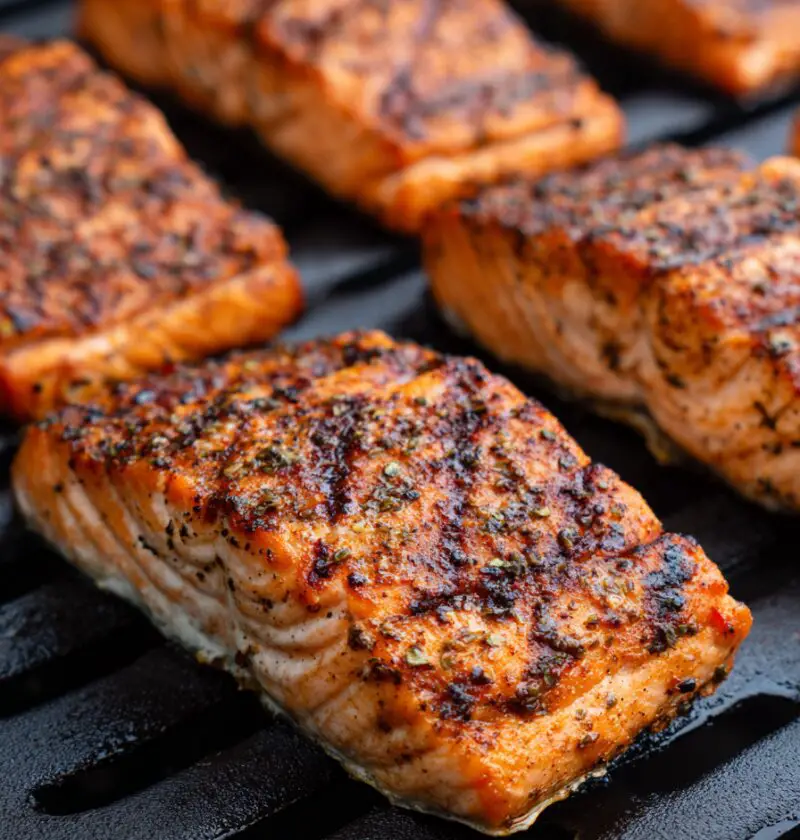
If you love big flavor without a lot of fuss, this cajun grilled salmon is going to earn a regular spot in your dinner rotation. It’s a simple grilled salmon recipe made with fresh salmon fillets, olive oil, lemon, and a robust Cajun spice blend that creates that slightly charred, deeply savory crust we all crave. Think spicy grilled salmon with juicy, flaky fish inside and a lightly smoky finish from the grill.
I make this recipe often from late spring through early fall, especially when the weather is too nice to stay indoors. There’s something about hearing that first sizzle on the grill that still makes me happy, even after all these years of cooking for family and friends. And honestly, salmon is one of those dependable ingredients that feels a little special without being fussy. It’s high in protein, rich in omega-3s, and cooks fast enough for a weeknight. That’s a win in my book.
This cajun salmon recipe is also flexible. You can keep it fiery, tone it down, pair it with corn salad, rice, grilled vegetables, or tuck it into tacos the next day. It works for a casual Tuesday and for company on the patio Saturday night. That kind of versatility matters.
Why you’ll love this recipe
- Ready in about 20 minutes, start to finish
- Bold Cajun flavor with simple pantry spices
- High-protein, healthy salmon meal for busy nights
- Perfect summer grilling recipe for cookouts and family dinners
- Crispy-edged outside with tender, flaky salmon inside
- Easy to adjust from mild to spicy
- Works with fresh or thawed frozen salmon fillets
- Great for meal prep and leftovers
- Naturally low carb and gluten-free
- Feels restaurant-worthy without the restaurant bill
Ingredients
Here’s what you’ll need for this easy salmon dinner. I’ve included a few little notes because those tiny choices really do help.
-
4 salmon fillets (6 ounces each, skin on or off)
Try to choose center-cut fillets if you can; they cook more evenly. Sockeye gives a richer flavor, while Atlantic salmon tends to be more buttery and mild. -
2 tablespoons olive oil
This helps the seasoning stick and keeps the fish moist. Avocado oil works too, especially if your grill runs hot. -
1 tablespoon Cajun seasoning
Use your favorite store-bought blend like Tony Chachere’s or Slap Ya Mama, or homemade if you prefer. If your blend is salty, reduce added salt later. -
1 teaspoon smoked paprika
This boosts that smoky salmon fillet flavor and adds color. -
1/2 teaspoon garlic powder
Gives a savory backbone without overpowering the fish. -
1/2 teaspoon onion powder
Adds depth and balances the spice. -
1/4 teaspoon black pepper
Freshly cracked is lovely here. -
1/4 teaspoon kosher salt
Only add this if your Cajun seasoning isn’t already heavy on salt. -
1/8 to 1/4 teaspoon cayenne pepper (optional)
Add more for a hotter blackened salmon fillet style finish. -
1 tablespoon lemon juice
Fresh is best. It brightens the spice and cuts the richness. -
1 teaspoon lemon zest (optional)
A small touch, but it wakes everything up. -
1 tablespoon melted butter (optional)
Brush on at the end for extra richness and a slightly blackened, steakhouse-style feel. -
Lemon wedges, for serving
Not optional in my house. A squeeze at the table makes all the difference. -
Chopped parsley or green onions, for garnish
For freshness and a little color.

Directions
-
Preheat the grill.
Heat your grill to medium-high, about 375°F to 400°F. Clean the grates well and oil them lightly so the salmon doesn’t stick. If you’ve ever lost half a fillet to the grill, you know why this matters. -
Pat the salmon dry.
Use paper towels to dry the fillets really well. This small step helps the seasoning adhere better and encourages a nicer crust instead of steam. -
Make the seasoning blend.
In a small bowl, stir together the Cajun seasoning, smoked paprika, garlic powder, onion powder, black pepper, salt, and cayenne if using. If you like a stronger crust, press it on generously. -
Season the salmon.
Brush the fillets with olive oil, then sprinkle the spice mix all over the top and sides. Drizzle with lemon juice and add the zest if using. Let the fish sit for 10 minutes at room temperature so the flavors settle in a bit. -
Place the salmon on the grill.
Set the fillets skin-side down first if they have skin. Close the lid and grill for about 5 to 6 minutes. Resist the urge to move them around too soon; salmon releases more easily once it sears. -
Flip carefully or finish skin-side down.
If your fillets are thick and sturdy, flip them gently with a fish spatula and cook another 2 to 4 minutes. If you prefer, especially with skin-on fillets, you can cook them almost entirely skin-side down and skip flipping. Either way works. -
Check for doneness.
Salmon is done when it flakes easily with a fork and reaches 125°F to 130°F for medium, or about 145°F if you like it fully done. I usually pull it around 128°F because it continues to cook as it rests. -
Finish and serve.
Brush with melted butter if using, then let the salmon rest for 3 to 5 minutes. Garnish with parsley or green onions and serve with lemon wedges. That little rest helps the juices settle back into the fish.
Servings & Timing
- Yield: 4 servings
- Prep Time: 10 minutes
- Rest Time: 10 minutes
- Cook Time: 8 to 10 minutes
- Total Time: 28 to 30 minutes
This timing makes it a terrific grilled fish recipe for weeknights, but it’s also polished enough for guests.
Variations
- Make it milder: Use less cayenne and choose a mild Cajun seasoning blend.
- Try blackened style: Cook the seasoned salmon in a hot cast-iron skillet on the grill for a darker blackened salmon fillet crust.
- Add a touch of sweetness: Brush with a little honey before serving to balance the heat.
- Use a cedar plank: This adds a gentle woodsy note and keeps delicate fillets from sticking.
- Turn it into salmon tacos: Flake the cooked salmon into tortillas with slaw and avocado crema.
- Go dairy-free: Skip the butter finish and use extra lemon juice or a drizzle of olive oil.
Storage & Reheating
Store leftover salmon in an airtight container in the refrigerator for up to 3 days. If you want to freeze it, wrap each fillet well and freeze for up to 2 months. Thaw overnight in the fridge before reheating.
For reheating, warm the salmon gently in a 275°F oven for about 10 to 12 minutes, or until just heated through. You can also enjoy it cold over a salad, and honestly, that’s one of my favorite easy lunches.
If you want to make this ahead, season the salmon up to 8 hours in advance and refrigerate it covered. I wouldn’t go much longer than that, since the lemon juice can start to change the texture.
Notes
A few things I learned while testing this recipe more than once—and yes, with salmon, those little details count.
First, thickness matters. A thinner tail piece cooks much faster than a thick center fillet, so if your pieces vary a lot, pull the thinner ones earlier. Second, don’t over-marinate. This isn’t one of those recipes where longer is better. Ten minutes on the counter or a few hours in the fridge is plenty.
If your grill tends to run hot, use a grill mat or a piece of lightly oiled foil with holes poked in it. Purists may raise an eyebrow, but you know what? It saves dinner. And dinner matters more than grill bragging rights.
One more thing: quality seasoning makes a difference. Some Cajun blends lean salty, some are heavier on paprika, others hit you with garlic first. Taste a pinch before using it so you can adjust. It sounds simple, because it is, but it’s the kind of kitchen habit that separates “pretty good” from “make this again.”
FAQs
Can I use frozen salmon for this Cajun Grilled Salmon Recipe?
Yes, absolutely. Just thaw it fully and pat it very dry before seasoning so it grills properly.
What’s the best temperature for grilling salmon?
Medium-high heat, around 375°F to 400°F, works best. Hot enough for a good crust, but not so hot that the outside burns before the inside cooks.
Do I have to flip the salmon?
No. If the fillets have skin, you can cook them skin-side down most of the time and skip flipping altogether.
How do I keep salmon from sticking to the grill?
Clean and oil the grates, preheat the grill well, and don’t move the fish too soon. Once it sears, it usually releases much more easily.
Is cajun seasoning salmon very spicy?
It can be, but it depends on the blend. Many store-bought versions are more savory than fiery, so you can adjust the heat with cayenne.
What sides go well with this grilled salmon recipe?
Rice, grilled corn, cucumber salad, roasted potatoes, coleslaw, or simple green beans all pair beautifully with it.
How do I know when salmon is done?
It should flake easily with a fork and look opaque with a slightly translucent center. An instant-read thermometer is the most reliable tool.
Can I make this without an outdoor grill?
Yes, you can use a grill pan or cast-iron skillet on the stove. You’ll still get that lovely spicy grilled salmon flavor, especially with smoked paprika in the rub.
Conclusion
This Cajun Grilled Salmon Recipe is quick, flavorful, and dependable—the kind of easy salmon dinner that feels a little special without making a mess of your evening. Between the smoky crust, tender center, and bright lemon finish, it’s the sort of seafood dinner idea that works any night of the week.
If you try it, I’d love to hear how you served it. Leave a comment, share your twist on the seasoning, or save this summer grilling recipe for your next cookout.