Cabbage Recipe Vegan: Cozy, Healthy, and Perfect for Busy Weeknights
If you’re craving a cozy, budget-friendly dinner that’s both nourishing and comforting, this cabbage recipe vegan skillet is going to be your new weeknight staple.
I’m a 50-year-old mom who’s cooked her way through picky kids, tight grocery budgets, and more “what’s for dinner?” evenings than I can count. This hearty vegan cabbage dish is one of those plant based cabbage meals I come back to again and again—simple, deeply flavorful, and surprisingly satisfying.
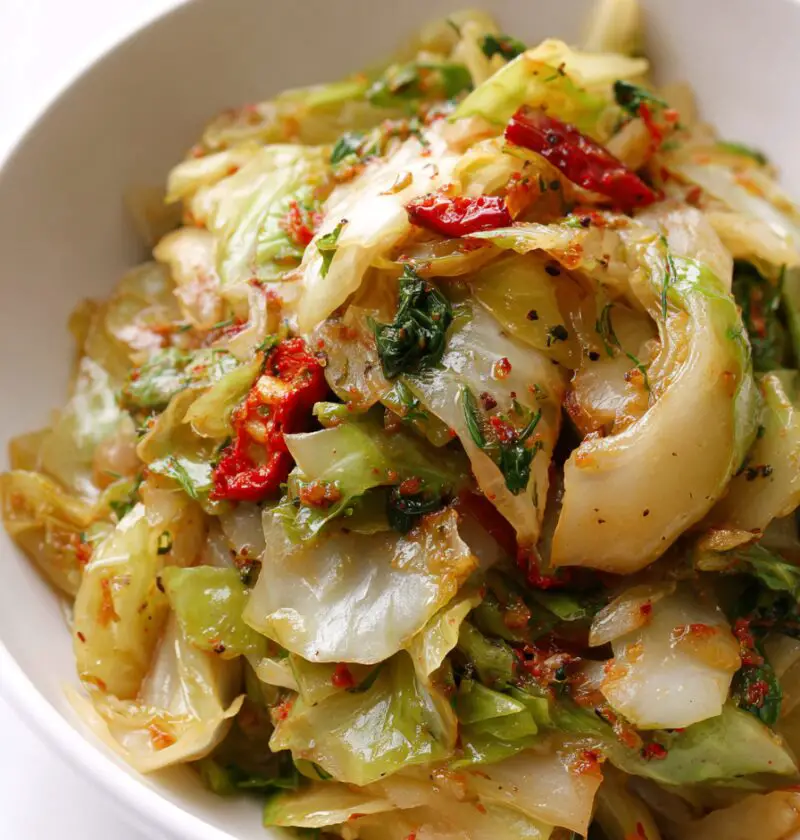
This cabbage recipe vegan skillet features caramelized cabbage, hearty potatoes, protein-rich beans, and a smoky tomato-garlic sauce. It’s a one-pan vegan cabbage meal that feels a little like Eastern European comfort food married to modern plant-based cooking. Completely dairy-free, meat-free, and made with simple pantry ingredients you probably already have.
What Makes This Vegan Cabbage Dish So Special?
Think of this recipe as a cross between a cozy stew and a skillet hash. You get tender, browned cabbage (the kind that tastes almost sweet when it cooks down), soft potatoes, and creamy white beans, all tucked into a smoky, paprika-kissed tomato sauce.
It’s:
- Naturally vegan and gluten-free
- Packed with fiber, plant protein, and vitamins
- Perfect for meal prep (it reheats like a dream)
- Budget-friendly and made with humble ingredients that stretch
This is the kind of healthy vegan cabbage dish I like to make on a Sunday afternoon when I’m half-listening to a podcast, half-cleaning the kitchen. It makes the house smell amazing—like someone’s Eastern European grandmother moved in and took over dinner.
And by the way, if you’re new to cabbage vegan dinner ideas, this is a very forgiving place to start. No fancy techniques, no hard-to-find ingredients, and everything happens in one big skillet.
Why You’ll Love This Cabbage Recipe Vegan
- One-pan wonder: This whole vegan cabbage meal cooks in a single large skillet, which means fewer dishes and less cleanup.
- Budget-friendly ingredients: Cabbage, potatoes, onions, and beans are some of the most affordable foods at the store—great for feeding a family or stretching the food budget.
- Nutrient-dense and filling: Loaded with fiber, plant protein, and complex carbs, this plant based cabbage dish actually keeps you full and satisfied.
- Perfect for meal prep: Makes 4–6 servings, reheats well, and tastes even better the next day as the flavors deepen.
- Customizable flavor: You can adjust the level of smokiness, spice, and herbs and turn it into your own signature vegan cabbage cooking style.
- Family-friendly comfort food: Mild flavors, soft textures, and a cozy tomato base make it kid-approved and “omnivore-approved” too.
- Naturally gluten-free and dairy-free: No need for special products—just real, whole ingredients that work for lots of dietary needs.
- Season-friendly: Works beautifully in fall and winter with storage cabbage, but it’s light enough to enjoy in spring when cabbage is fresh and sweet.
Ingredients
Here’s everything you’ll need for this easy vegan cabbage recipe (easy, hearty, and wholesome):
- 2 tablespoons olive oil (or avocado oil)
- 1 large yellow onion, thinly sliced
- 3 cloves garlic, minced (about 1 tablespoon)
- 1 medium green cabbage, cored and thinly sliced (about 6–7 cups, packed)
- 3 medium Yukon gold potatoes, diced into ½-inch cubes (about 3 cups)
- 1 medium carrot, thinly sliced (optional, for sweetness and color)
- 1 can (15 ounces) white beans, drained and rinsed (cannellini or Great Northern)
- 1 can (14.5 ounces) diced tomatoes (fire-roasted if you like a deeper flavor)
- ½ cup low-sodium vegetable broth (plus a splash more as needed)
- 2 tablespoons tomato paste
- 1 ½ teaspoons smoked paprika
- 1 teaspoon sweet paprika (or use more smoked if you love it smoky)
- 1 teaspoon dried thyme (or 2 teaspoons fresh, chopped)
- ½ teaspoon ground cumin
- ½–1 teaspoon salt, to taste
- ¼ teaspoon black pepper, plus more to taste
- 1 tablespoon soy sauce or tamari (adds umami depth)
- 2 tablespoons fresh lemon juice (about ½ lemon)
- 2–3 tablespoons chopped fresh parsley or dill, for serving
- Crushed red pepper flakes, optional (for a little kick)
Ingredient Tips & Substitutions
- Cabbage: Green cabbage works best—firm and heavy for its size. Savoy cabbage also works but will cook a bit faster since it’s more tender.
- Potatoes: Yukon gold hold their shape nicely and add a creamy texture. Russets will break down more and make the dish softer and almost stew-like. Red potatoes also work.
- Beans: White beans give a mild, creamy texture. You can swap with chickpeas, lentils, or kidney beans if that’s what you have.
- Smoked paprika: This is the heartbeat of the flavor. If you don’t have it, regular paprika plus a dash of liquid smoke or a bit of smoked salt will help.
- Tomatoes: If your canned tomatoes are very acidic, you can add ½ teaspoon sugar or maple syrup to balance.
- Oil: For an oil-reduced version, sauté the onions and cabbage in a splash of broth instead of oil, adding more as needed to keep things from sticking.

Step-by-Step Directions
You know what? Take a breath, grab your biggest skillet or Dutch oven, and let’s walk through this together. It’s straightforward, but a few small details make a big difference.
-
Prep your vegetables
Slice the onion, mince the garlic, thinly slice the cabbage, and dice the potatoes into small, even cubes. The smaller the potato pieces, the faster they’ll cook. Rinse the beans and set everything in little piles so it’s ready to go. -
Sauté the onion and garlic
In a large, deep skillet or Dutch oven, heat the olive oil over medium heat. Add the sliced onion and cook for 4–5 minutes, stirring occasionally, until softened and lightly golden around the edges. Add the garlic and cook for 30–60 seconds, just until fragrant—don’t let it brown too much or it can turn bitter. -
Caramelize the cabbage
Add the sliced cabbage to the pan. It’ll look like a mountain at first, but it cooks down. Sprinkle with a pinch of salt to help it release moisture. Cook for 8–10 minutes, stirring every couple of minutes, until the cabbage softens and some edges turn lightly browned and sweet. If the pan looks too dry or things start to stick, add a splash of vegetable broth or water and keep stirring. -
Add potatoes and carrot
Stir in the diced potatoes and sliced carrot. Toss well with the cabbage-onion mixture, letting the vegetables get glossy with the oil and cabbage juices. Cook for about 3–4 minutes, allowing the potatoes to pick up some of the flavor and a little color. -
Build the sauce and seasonings
Add the tomato paste, smoked paprika, sweet paprika, thyme, cumin, black pepper, and soy sauce/tamari. Stir until the vegetables are coated in the spices and tomato paste. This quick step helps “toast” the spices and deepen the flavor, much like blooming spices in a curry. -
Add tomatoes, beans, and broth
Pour in the diced tomatoes (with juices), the white beans, and ½ cup vegetable broth. Stir everything together and bring it up to a gentle simmer over medium heat. Once it’s bubbling, reduce the heat to medium-low. -
Simmer until tender and cozy
Cover the skillet with a lid and let the mixture simmer for 15–20 minutes, stirring every 5 minutes. The potatoes should become tender when pierced with a fork, and the cabbage will soften further, soaking up the savory tomato-broth base. If the pan looks dry at any point, add another splash or two of broth. -
Adjust seasoning and brighten the flavors
Once the potatoes are tender, remove the lid. Taste and add more salt or pepper if needed. Stir in the lemon juice—it wakes everything up and cuts through the richness. If you’d like the sauce slightly thicker, let it simmer uncovered for another 3–5 minutes. -
Finish with fresh herbs and serve
Turn off the heat and sprinkle chopped parsley or dill over the top. Add a pinch of red pepper flakes if you enjoy a little heat. Serve your cabbage plant based recipe hot, with crusty bread, cooked grains (like brown rice or barley), or just in a big bowl by itself.
Servings & Timing
- Yield: About 4–6 servings (depending on appetites and sides)
- Prep Time: 15–20 minutes (chopping cabbage and potatoes is the main task)
- Cook Time: 30–35 minutes
- Total Time: About 45–55 minutes
This makes a generous batch, so it’s a great “cook once, eat twice” vegan cabbage dinner situation.
Variations: Fun Twists on This Vegan Cabbage Meal
Here’s the thing: once you know the base recipe, you can spin it in all sorts of directions depending on what you’re craving or what’s in your fridge.
- Spicy Cajun-style: Swap the thyme and cumin for 1–2 teaspoons Cajun seasoning and add sliced vegan sausage for a heartier, smoky kick.
- Italian-inspired: Use Italian seasoning instead of thyme and cumin, add a handful of chopped olives, and top with vegan Parmesan.
- Creamy paprika version: Stir in ¼–½ cup of unsweetened, plain coconut milk or cashew cream at the end for a silky, rich sauce.
- High-protein twist: Double the beans or add a cup of cooked lentils to boost the protein in your vegan cabbage dish.
- More veggies: Toss in sliced bell peppers, mushrooms, or chopped kale in the last 5–10 minutes of cooking for extra color and nutrients.
- Low-carb-ish variation: Replace some or all of the potatoes with cauliflower florets, and shorten the simmer time so they don’t get mushy.
Storage & Reheating
One of the big reasons I love this healthy vegan cabbage recipe? It stores beautifully.
-
Fridge:
Let the dish cool to room temperature, then store in an airtight container in the refrigerator for up to 4 days. -
Freezer:
This cabbage plant based recipe freezes well. Place cooled portions in freezer-safe containers or bags and freeze for up to 2 months. Label with the date—future you will be thankful. -
Reheating:
Reheat gently on the stovetop over medium-low heat, adding a splash of vegetable broth or water if it looks too thick or dry. You can also microwave individual portions in 60–90 second bursts, stirring in between. -
Make-ahead tips:
You can chop the cabbage and potatoes up to 24 hours ahead and keep them in airtight containers in the fridge. If you like, cook the full recipe a day in advance—the flavors actually deepen overnight.
Notes & Personal Tips
- Let the cabbage brown a little: Don’t rush that caramelization step. Those golden bits at the bottom of the pan carry so much flavor and make this cabbage recipe vegan feel like comfort food rather than just “a bunch of vegetables.”
- Size matters (potatoes, that is): Evenly diced small cubes cook more quickly and evenly. If your potatoes are bigger, you may need to add 5–10 minutes to the simmer time.
- Balance the acidity: Depending on the brand of tomatoes and broth you use, you might want to add a tiny bit of sugar or maple syrup to balance the flavors. Taste before serving and see if it needs that little nudge.
- Smoked paprika can vary: Some brands are very strong. Start with 1 teaspoon, taste, and add more if you like a bolder smoky note.
- Texture preference: If you like your cabbage with a bit more bite, shorten the simmer time at the end. For very soft, stew-like cabbage, let it go a bit longer with the lid on.
- Kids & picky eaters: Sometimes I mash a few of the potatoes and beans into the sauce to make it thicker and “saucier” for kids, then serve with toast points. It feels like a cozy bean-and-potato stew with little cabbage ribbons tucked in.
FAQs About This Cabbage Recipe Vegan
1. Can I use red cabbage instead of green?
Yes, you can, but the color will change the look of the dish and it may be slightly sweeter and firmer; you might need a few extra minutes of cooking.
2. Is this recipe spicy?
As written, it’s not spicy—just smoky and savory. Add red pepper flakes, a pinch of cayenne, or hot sauce if you’d like some heat.
3. Can I make this oil-free?
You can sauté the onions and cabbage in a few tablespoons of vegetable broth instead of oil, adding more as needed to prevent sticking; the flavor will be a bit lighter but still delicious.
4. What can I serve with this vegan cabbage dish?
It’s lovely over brown rice, quinoa, or barley, or simply with crusty bread, vegan cornbread, or a simple green salad on the side.
5. How do I know when the potatoes are done?
Pierce a piece with a fork—if it slides in easily, the potatoes are ready; if they’re still firm in the center, simmer for another 5 minutes and check again.
6. Can I use fresh tomatoes instead of canned?
Yes, use about 2 cups of chopped fresh tomatoes; you may need to cook a bit longer to let them break down and release their juices.
7. Will this work in a slow cooker?
Yes—sauté the onions, garlic, and cabbage first, then transfer everything to a slow cooker and cook on LOW for 5–6 hours or HIGH for about 3 hours, until the potatoes are tender.
8. How can I add more protein to this vegan cabbage meal?
Double the beans, add a cup of cooked lentils, or serve it with baked tofu or vegan sausage on top for extra protein.
Conclusion: A Simple, Comforting Cabbage Vegan Dinner to Keep on Repeat
This cabbage recipe vegan skillet is the kind of meal I lean on when I want something cozy, wholesome, and uncomplicated—a big pan of tender cabbage, potatoes, and beans in a smoky tomato sauce that tastes like it simmered all afternoon.
If you give this vegan cabbage dish a try, let me know how it turned out for you—leave a comment, rate the recipe, or share your own twists and vegan cabbage ideas. And if you’re in the mood for more plant-based comfort food, keep exploring other simple, hearty recipes that make humble vegetables feel downright special.
Cozy Vegan Cabbage, Potato, and Bean Skillet
Ingredients
- 2 tablespoons olive oil or avocado oil
- 1 large yellow onion thinly sliced
- 3 cloves garlic minced (about 1 tablespoon)
- 1 medium green cabbage cored and thinly sliced (about 6–7 cups, packed)
- 3 medium Yukon gold potatoes diced into 1/2-inch cubes (about 3 cups)
- 1 medium carrot thinly sliced (optional, for sweetness and color)
- 1 can (15 ounces) white beans drained and rinsed (cannellini or Great Northern)
- 1 can (14.5 ounces) diced tomatoes fire-roasted if you like a deeper flavor
- 1/2 cup low-sodium vegetable broth plus a splash more as needed
- 2 tablespoons tomato paste
- 1 1/2 teaspoons smoked paprika
- 1 teaspoon sweet paprika or use more smoked paprika if you love it smoky
- 1 teaspoon dried thyme or 2 teaspoons fresh, chopped
- 1/2 teaspoon ground cumin
- 1/2-1 teaspoon salt to taste
- 1/4 teaspoon black pepper plus more to taste
- 1 tablespoon soy sauce or tamari adds umami depth
- 2 tablespoons fresh lemon juice about 1/2 lemon
- 2-3 tablespoons fresh parsley or dill chopped, for serving
- crushed red pepper flakes optional, for a little kick
Instructions
- Slice the onion, mince the garlic, thinly slice the cabbage, and dice the potatoes into small, even 1/2-inch cubes. Thinly slice the carrot if using. Rinse and drain the beans. Set everything aside.
- In a large, deep skillet or Dutch oven, heat the olive oil over medium heat. Add the sliced onion and cook for 4–5 minutes, stirring occasionally, until softened and lightly golden around the edges. Add the minced garlic and cook for 30–60 seconds, just until fragrant.
- Add the sliced cabbage to the pan and sprinkle with a pinch of salt. Cook for 8–10 minutes, stirring every couple of minutes, until the cabbage softens and some edges turn lightly browned and sweet. If the pan looks dry or starts to stick, add a splash of vegetable broth or water.
- Stir in the diced potatoes and sliced carrot. Toss well with the cabbage and onion mixture so the vegetables are coated in the oil and cabbage juices. Cook for 3–4 minutes, allowing the potatoes to pick up some flavor and a little color.
- Add the tomato paste, smoked paprika, sweet paprika, thyme, cumin, black pepper, and soy sauce or tamari. Stir until the vegetables are evenly coated. Cook for 1–2 minutes to toast the spices and deepen the flavor.
- Pour in the diced tomatoes with their juices, the white beans, and 1/2 cup vegetable broth. Stir well to combine and bring to a gentle simmer over medium heat.
- Reduce the heat to medium-low, cover the skillet with a lid, and simmer for 15–20 minutes, stirring every 5 minutes. Cook until the potatoes are tender when pierced with a fork and the cabbage is very soft. If the pan looks dry, add another splash or two of broth.
- Remove the lid and taste the mixture. Add more salt and pepper if needed. Stir in the fresh lemon juice. If you prefer a slightly thicker sauce, let it simmer uncovered for another 3–5 minutes.
- Turn off the heat and sprinkle chopped parsley or dill over the top. Add a pinch of red pepper flakes if you like some heat. Serve hot on its own or with crusty bread, cooked grains, or a simple green salad.