Cabbage Dumplings Recipe
If you’re craving a cozy, budget-friendly meal that tastes like something your grandmother would proudly set on the table, this Cabbage Dumplings Recipe is exactly the kind of comfort food recipe you’ll want to make again and again.
A humble dish that tastes like home
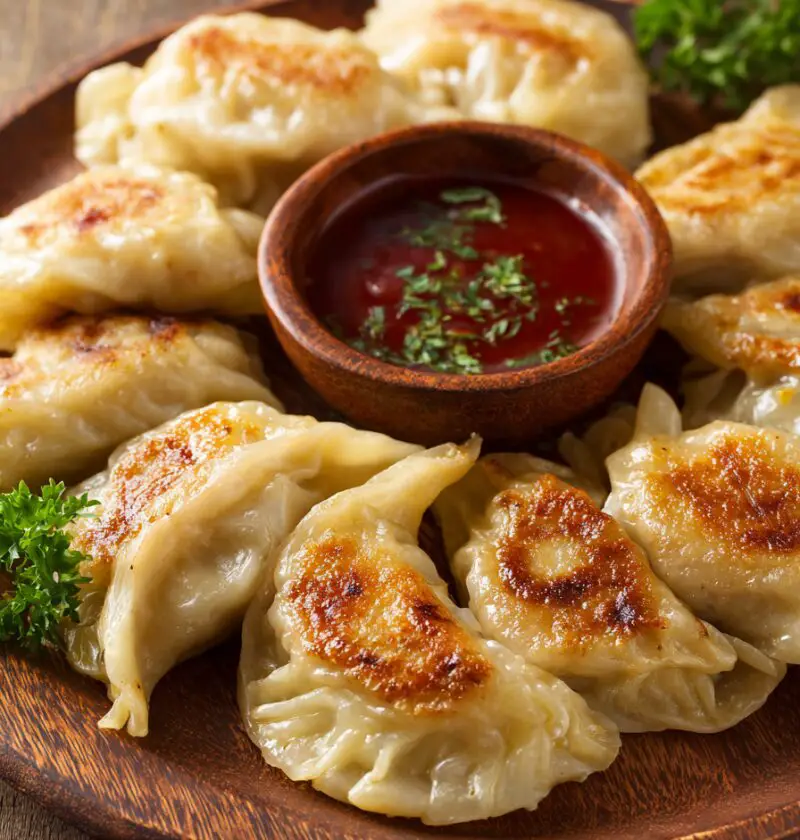
There’s something so comforting about a plate of warm cabbage dumplings. They’re tender, hearty, and filled with a savory cabbage filling that turns simple pantry ingredients into a meal that feels a little special. If you grew up around traditional dumplings, especially the kind found in Eastern European kitchens, you probably already know the magic here: soft dumpling dough wrapped around a deeply flavorful filling, then boiled until pillowy and finished however you like—plain with butter, topped with sour cream, or crisped up as pan fried dumplings the next day.
I make this dumplings recipe when the weather turns cool, when cabbage is cheap and sweet, or when I want something filling without spending a fortune at the grocery store. Honestly, cabbage is one of the most overlooked vegetables in the produce aisle. It keeps well, stretches a meal, and takes on flavor like a dream. That’s part of what makes this cabbage recipe so special. It’s economical, earthy, and satisfying in a way that trendy weeknight dinners sometimes just aren’t.
And while many stuffed dumplings lean heavy on meat, this version is a wonderful vegetarian option. It’s proof that vegetarian dumplings can be every bit as rich and comforting as the old-school classics. If you’d like, you can always add bacon or sausage later, but the cabbage really carries the show.
Why you’ll love this recipe
- It uses affordable, everyday ingredients.
- The filling is deeply savory without needing meat.
- You can boil them and eat them right away or turn leftovers into pan fried dumplings.
- It’s a wonderful make-ahead meal for busy weeks.
- The recipe is freezer-friendly, which is a lifesaver.
- It’s a great introduction to homemade dumplings if you’ve never made them before.
- The dumpling dough is soft, easy to handle, and forgiving.
- It works as a main dish or hearty side.
- It’s perfect for cold-weather comfort cooking.
- The flavor gets even better with sour cream, browned butter, or caramelized onions.
Ingredients
For the dumpling dough:
- 3 cups all-purpose flour, plus more for dusting
- 1 teaspoon fine sea salt
- 1 large egg
- 3/4 cup warm water, plus 1 to 2 tablespoons more if needed
- 1 tablespoon neutral oil (such as avocado oil or vegetable oil)
For the cabbage filling:
- 1 small green cabbage, about 2 pounds, finely shredded
- 1 medium yellow onion, finely diced
- 3 tablespoons unsalted butter
- 1 tablespoon olive oil
- 1 1/2 teaspoons kosher salt, divided
- 1/2 teaspoon black pepper
- 1 teaspoon caraway seeds (optional, but lovely for an Eastern European feel)
- 1 teaspoon sweet paprika
- 2 cloves garlic, minced
- 2 tablespoons chopped fresh dill or parsley
- 1 tablespoon sour cream (optional, for a silkier filling)
For serving:
- Melted butter
- Sour cream
- Extra dill or parsley
- Caramelized onions, if you like
A few ingredient notes, because these things matter more than people think:
- Cabbage: Green cabbage is the easiest and most reliable here. Savoy cabbage also works and gives a softer texture. Red cabbage is pretty, but it can bleed color into the dough.
- Flour: Regular all-purpose flour like King Arthur or Gold Medal works beautifully.
- Butter: Don’t skip it in the filling unless you must. It rounds out the cabbage and gives these savory dumplings their cozy depth.
- Caraway seeds: If you’ve had Eastern European dishes before, you know this flavor. It’s optional, but it adds a lovely warm note.
- Fresh herbs: Dill gives the filling a brighter, more old-world finish, while parsley is milder.

Directions
-
Make the filling first.
Heat the butter and olive oil in a large skillet over medium heat. Add the onion and cook for 5 to 6 minutes, stirring now and then, until softened and lightly golden. Add the garlic and cook for 30 seconds, just until fragrant. -
Cook the cabbage down slowly.
Add the shredded cabbage, 1 teaspoon of the salt, pepper, paprika, and caraway seeds if using. Toss well, then cook for 18 to 25 minutes, stirring every few minutes, until the cabbage is very soft and reduced by about half. You want it tender and lightly golden, not watery. If moisture pools in the pan, keep cooking a bit longer. -
Finish the filling.
Turn off the heat and stir in the dill or parsley and the sour cream, if using. Taste and adjust with the remaining 1/2 teaspoon salt if needed. Spread the filling on a plate or baking sheet to cool completely. This step helps a lot—warm filling makes dumpling dough sticky and harder to seal. -
Mix the dumpling dough.
In a large bowl, stir together the flour and salt. Add the egg, warm water, and oil. Mix with a fork or your hand until a shaggy dough forms. If it seems dry, add 1 tablespoon of water at a time. It should feel soft and slightly tacky, not wet. -
Knead until smooth.
Turn the dough onto a lightly floured surface and knead for 7 to 8 minutes, until smooth and elastic. Cover with a bowl or wrap it in plastic wrap, then let it rest for 30 minutes. Resting relaxes the gluten, which makes rolling much easier. It’s a small pause that pays off. -
Roll and cut the dough.
Divide the dough into 2 pieces. Keep one covered while you work with the other. Roll it out on a lightly floured surface until it’s about 1/8 inch thick. Use a 3-inch round cutter or the rim of a glass to cut circles. -
Fill the dumplings.
Place about 1 tablespoon of cooled cabbage filling in the center of each circle. Fold the dough over into a half-moon shape and pinch the edges firmly to seal. If the edges seem dusty, dab them with a little water. Lay the dumplings on a floured tray and keep them covered with a towel as you work. -
Boil in batches.
Bring a large pot of salted water to a gentle boil. Drop in 8 to 10 dumplings at a time, stirring once so they don’t stick to the bottom. Cook for about 3 to 4 minutes after they float to the surface. These boiled dumplings should look puffed and tender. -
Serve right away or crisp them up later.
Transfer the cooked dumplings with a slotted spoon to a buttered platter. Toss gently with melted butter so they don’t stick. Serve warm with sour cream, herbs, or caramelized onions. If you’d like, chill leftovers and pan-fry them in butter the next day for golden, crispy edges.
Servings & timing
- Yield: Makes about 24 dumplings, or 4 to 6 servings
- Prep Time: 35 minutes
- Rest Time: 30 minutes
- Cook Time: 30 minutes
- Total Time: About 1 hour 35 minutes
That timing makes this recipe very doable for a Sunday supper, and if you split up the work—filling first, dough later—it feels even easier.
Variations
- Add sautéed mushrooms to the cabbage filling for a richer, earthier bite.
- Mix in farmer’s cheese or ricotta for a creamier filling.
- Stir in crisp bacon for a smoky, savory version that’s hard to resist.
- Use whole wheat flour for half the flour if you want a nuttier dough.
- Season with chopped thyme instead of dill for a slightly different herbal note.
- Turn the leftovers into pan fried dumplings with onions and a spoonful of sour cream.
Storage & reheating
Cooked dumplings keep well in an airtight container in the refrigerator for up to 4 days. If stacking them, coat lightly with butter first so they don’t glue themselves together. That happens fast, and it’s annoying.
To reheat, you have two good choices:
- Microwave: Cover loosely and heat in short bursts until hot.
- Skillet: Warm them in butter over medium heat until heated through and golden on the edges.
For freezing, place uncooked dumplings on a parchment-lined tray and freeze until solid. Then transfer to a freezer bag or airtight container. They’ll keep well for up to 2 months. Cook from frozen; just add an extra 2 to 3 minutes to the boiling time.
Make-ahead tip: the cabbage filling can be made up to 2 days in advance and stored in the fridge. You can also make the dough a day ahead, wrap it tightly, and let it come to room temperature before rolling.
Notes
A few things I learned while testing this Cabbage Dumplings Recipe:
First, don’t rush the cabbage. It starts out huge and fluffy, and you may wonder if it will ever cook down enough. It will. Give it time. The flavor changes from raw and sharp to sweet, mellow, and almost buttery.
Second, keep the filling fairly dry. Not dry-dry, but not wet. If the filling is watery, the dumplings may split while boiling. I like to cook the cabbage until any excess moisture has evaporated. That one little step makes a big difference.
Third, a rested dough is easier to roll and seal. I know waiting can feel like a nuisance, but it’s worth it. Think of it like letting a pie crust chill—it settles everything down.
And one more thing: if a dumpling opens in the pot, don’t take it personally. It happens to every cook. Even experienced ones. Dust yourself off, lower the boil a touch, and keep going.
FAQs
Can I make these cabbage dumplings ahead of time?
Yes. You can assemble them a few hours ahead and keep them on a floured tray in the fridge, lightly covered, until ready to boil.
Can I freeze homemade dumplings?
Absolutely. Freeze them uncooked in a single layer first, then store in a freezer bag. Boil straight from frozen.
What type of cabbage works best?
Green cabbage is the easiest and most traditional choice for this cabbage recipe. Savoy is a nice substitute if you want a slightly more delicate texture.
Why did my dumplings fall apart while boiling?
Usually it’s one of three things: the filling was too wet, the edges weren’t sealed tightly, or the water was boiling too hard. A gentle boil is your friend here.
Can I pan-fry these instead of boiling them?
They’re best boiled first. After that, yes, they make wonderful pan fried dumplings with crisp, buttery bottoms.
Are these vegetarian dumplings?
Yes, as written they are vegetarian. If you use a vegetarian-friendly butter and serve them with standard dairy toppings, they stay fully meat-free.
What can I serve with cabbage dumplings?
I love them with sour cream, browned butter, sautéed onions, or a simple cucumber salad. If you want a larger spread, serve them alongside roasted beets or a clear soup.
Can I use store-bought dumpling dough?
You can, though the texture won’t be exactly the same as this homemade dumplings version. If convenience is the priority, wonton wrappers can work in a pinch, though they create a thinner dumpling.
Conclusion
This Cabbage Dumplings Recipe is the sort of old-fashioned, deeply satisfying meal that proves simple ingredients can still make the best memories. Between the tender dumpling dough, the buttery cabbage filling, and the option to enjoy them as boiled dumplings or crisped up later, there’s a lot to love here.
If you make these, I’d love to hear how they turned out for you. Leave a comment, share your favorite variation, or bookmark this recipe for the next chilly evening when only comfort food will do.