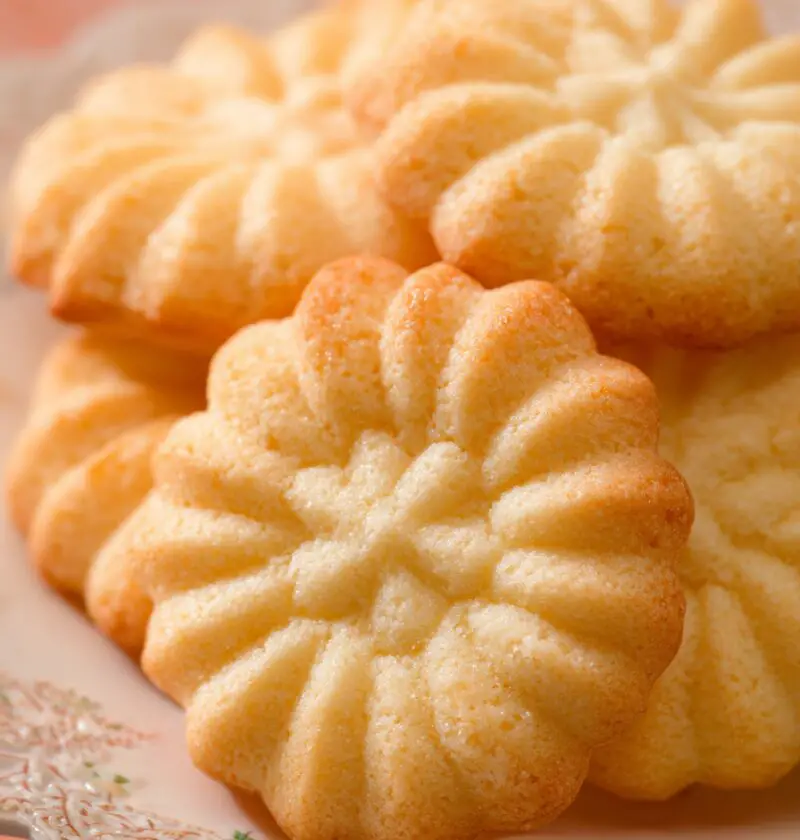
Butter Cookies Recipe
This easy Butter Cookies Recipe gives you crisp‑edged, melt‑in‑your‑mouth cookies that taste like they came straight from a cozy little bakery.
Butter cookies are one of those “always right” treats. They work for Christmas cookie trays, tea time with a friend, after‑school snacks, or honestly, those nights when you want something sweet but don’t feel like fussing. This classic butter cookies recipe is eggless, uses simple pantry ingredients, and bakes up into golden, tender cookies that keep beautifully. I’ve been making some version of these since my kids were little, and even now—at 50—they still request “Mom’s buttery cookies” every holiday season.
You’ll get all the nostalgic flavor of old‑fashioned Danish butter cookies, but with clear, modern directions, tested measurements, and plenty of tips so your batch comes out bakery‑style every time. We’ll talk about how to keep them crisp, how to make them soft, and how to get that “melt in mouth cookies” texture everyone loves.
And yes, this is a very simple butter cookies recipe—no fancy equipment needed beyond a mixing bowl and a baking sheet. If you have a handheld mixer, great. If not, a sturdy wooden spoon and a little patience work just fine.
Why You’ll Love This Butter Cookies Recipe
- Simple ingredients, big flavor – Just butter, sugar, flour, and a few basics turn into the most classic butter cookies you’ve ever tasted.
- Eggless by default – Perfect if you’re baking for someone with an egg allergy or you just forgot to buy eggs.
- Crispy or soft—your choice – Bake a few minutes less for soft butter cookies, a few minutes more for crisp, Danish‑style butter cookies.
- Perfect for holidays and gifting – These Christmas butter cookies hold their shape, stack well, and look pretty in tins or cookie boxes.
- Beginner‑friendly directions – Clear, step‑by‑step instructions, plus what things should look and feel like along the way.
- Customizable flavors – Add vanilla, almond, lemon zest, or spices without changing the structure of the cookie.
- Great make‑ahead cookie – The dough holds up beautifully in the fridge or freezer, so you can bake fresh cookies when you need them.
- 3‑ingredient friendly – If you’re in a rush, I’ll show you how to turn this into a very basic 3 ingredient butter cookies variation.
Ingredients for the Best Butter Cookies Recipe
Here’s exactly what you’ll need for this homemade butter cookies recipe. I’m including both cup and gram measures because, frankly, gram measurements give more consistent results—especially with buttery cookies.
For the cookie dough
- 1 cup (226 g) unsalted butter, softened to room temperature
- Use real butter, not margarine. European‑style butter (like Kerrygold) with a higher fat content gives extra rich, bakery‑style flavor.
- ¾ cup (90 g) powdered sugar (also called confectioners’ sugar or icing sugar)
- Powdered sugar gives that melt‑in‑the‑mouth texture. Granulated sugar will make them more crunchy.
- ¼ cup (50 g) granulated sugar
- This adds a little structure and helps with those lightly crisp edges.
- 1 ½ teaspoons pure vanilla extract
- Use real vanilla, not imitation—this is vanilla butter cookies we’re talking about; the flavor matters.
- 2 cups (240 g) all‑purpose flour, spooned and leveled
- ¼ cup (30 g) cornstarch
- Cornstarch is the secret to tender, soft butter cookies that don’t taste chalky.
- ¼ teaspoon fine sea salt
- If you only have table salt, use a scant ¼ teaspoon; it tastes a little saltier.
- 1–2 tablespoons milk or heavy cream, as needed
- Just enough to help the dough come together or make it pipeable, depending on how you shape the cookies.
Optional for decorating
- Coarse sugar or sprinkles for topping
- Melted chocolate (dark or milk) for drizzling or dipping
- Colored sanding sugar for Christmas butter cookies
You can absolutely turn this into a simple shortbread butter cookies recipe by skipping the granulated sugar, cornstarch, and milk—just butter, powdered sugar, and flour. But the version above is my go‑to for consistency and that “classic bakery style butter cookies” feel.

Directions: How to Make Classic Butter Cookies
-
Bring the butter to the right temperature
Take your butter out of the fridge 30–45 minutes before you start. It should be soft enough to press a finger into easily, but not greasy or melting. Too cold and the dough will be stiff; too warm and the cookies will spread too much. -
Cream the butter and sugars
In a large mixing bowl, beat the softened butter, powdered sugar, and granulated sugar together for 2–3 minutes, until the mixture looks light, creamy, and a bit fluffy. You can use a hand mixer on medium speed or a stand mixer with the paddle attachment. Scrape down the sides of the bowl so everything’s evenly mixed. -
Add vanilla and salt
Beat in the vanilla extract and salt just until combined. If you like almond flavor, you can add ¼ teaspoon almond extract here too, but keep vanilla as the main star so these stay true to traditional butter cookies. -
Combine the dry ingredients
In a separate bowl, whisk together the flour and cornstarch. This simple step keeps the dough smooth and prevents little pockets of dry flour in your cookies. -
Mix the dough gently
Add the dry ingredients to the butter mixture in two batches, mixing on low speed or by hand just until no streaks of flour remain. The dough will look crumbly at first, then start to clump together. Don’t overmix or the cookies can turn tough instead of tender. -
Adjust with milk or cream (if needed)
If you’re planning to roll the dough into balls or logs, you may not need any liquid at all. For piping soft swirls, add 1–2 tablespoons of milk or cream and mix again. The dough should be soft enough to pipe, but still hold its shape in the bowl—kind of like thick mashed potatoes. -
Chill the dough
Cover the bowl and chill in the refrigerator for at least 30 minutes (up to 24 hours). Chilling helps prevent too much spreading and gives you beautifully defined shapes, whether you’re making Danish butter cookies rings, tea time cookies, or simple rounds. -
Preheat and prepare the baking sheet
Preheat your oven to 350°F (175°C). Line two baking sheets with parchment paper or silicone baking mats. Avoid greasing the pan; extra fat under the cookies can encourage spreading. -
Shape the cookies – three easy styles
- Simple rounds (easiest): Scoop about 1 tablespoon of dough, roll into a ball, and flatten slightly with your fingers or the bottom of a glass.
- Piped butter cookies: Spoon softened dough into a piping bag fitted with a large star tip (Wilton 1M or similar). Pipe rosettes or rings onto the baking sheet, spacing 2 inches apart.
- Slice‑and‑bake log: Roll the dough into a log (about 2 inches thick), wrap in plastic, chill until firm, then slice into ¼‑inch rounds.
-
Add toppings (optional but fun)
Sprinkle the tops with coarse sugar, press a few sprinkles in the center for Christmas butter cookies, or leave them plain if you plan to drizzle with chocolate later. -
Bake the cookies
Bake one sheet at a time for 10–13 minutes, depending on thickness and your oven. For soft butter cookies, pull them when the edges are just barely golden. For crisp, classic butter cookies, bake until the edges are a deeper golden brown. Remember, they firm up as they cool. -
Cool completely
Let the cookies sit on the baking sheet for 5 minutes (they’re fragile when hot), then transfer to a wire rack to cool fully. Once cool, you can dip or drizzle them with melted chocolate, if you like. -
Decorate and serve
For bakery style butter cookies, dip half of each cookie in melted chocolate and sprinkle with chopped nuts or sprinkles. Let the chocolate set, then serve with tea, coffee, or—a favorite at my house—a cold glass of milk.
Servings & Timing
- Yield: About 30–36 cookies, depending on size
- Prep Time: 20 minutes
- Chill Time: 30–60 minutes
- Bake Time: 10–13 minutes per tray
- Total Time: Around 1 hour 15 minutes, including chilling
If you’re baking multiple trays, you can shape all the cookies at once and keep one tray in the fridge while the other bakes. It keeps the dough cool and your cookies nicely shaped.
Variations on This Butter Cookies Recipe
You know what? Once you master this basic buttery cookies recipe, you can play around a little. Here are some of my favorite twists:
- Vanilla Almond Butter Cookies – Replace ½ teaspoon of the vanilla with almond extract and top with sliced almonds.
- Lemon Tea Time Cookies – Add 1 tablespoon lemon zest and 1 tablespoon lemon juice; these are lovely with afternoon tea.
- Chocolate‑Dipped Danish Butter Cookies – Bake as rings or piped swirls and dip them halfway in dark chocolate.
- 3 Ingredient Butter Cookies – Use only 1 cup butter, ½ cup powdered sugar, and 2 cups flour; mix, shape into logs, chill, slice, and bake.
- Spiced Christmas Butter Cookies – Add ½ teaspoon cinnamon and a pinch of nutmeg, then finish with red and green sanding sugar.
- Sugar Butter Cookies – Roll dough balls in granulated sugar before baking for a slightly crunchy, sparkly exterior.
Storage & Reheating (If They Last That Long)
-
Room temperature storage:
Store cooled butter cookies in an airtight container at room temperature for 5–7 days. They stay crisp longer if you separate layers with parchment paper. -
Freezer storage (baked cookies):
Place cooled cookies in a freezer‑safe container or zip‑top bag with parchment between layers. Freeze for up to 2 months. Let them thaw at room temperature for 20–30 minutes before serving. -
Freezer storage (cookie dough):
Shape the dough into logs or balls, then freeze on a sheet pan. Once solid, move to a freezer bag. Bake from frozen, adding 2–3 extra minutes to the baking time. -
Reheating for a “fresh baked” feel:
If your cookies lose a bit of crispness, warm them in a 300°F (150°C) oven for 3–5 minutes. Let them cool—the texture improves as they cool back down. -
Make‑ahead tip:
I like to make the dough up to 48 hours before a party, keep it chilled, then bake the morning of. It spreads out the work and your house smells amazing when guests arrive.
Notes from My Kitchen
-
Butter quality matters:
Because this is a true butter cookies recipe, the butter is the main flavor. A good quality butter makes a huge difference. You can even use salted butter—just reduce or skip the added salt. -
Don’t skip the chilling step:
I know it’s tempting, but chilling keeps your butter cookies from spreading into flat pancakes. It also gives the flour time to hydrate, which helps with that tender, shortbread‑like crumb. -
Baking time is your texture control:
For soft, almost shortbread butter cookies, pull them just as the edges turn pale gold. For crisp, crunchy butter cookies, leave them in until the color deepens around the edges. -
Watch the first tray like a hawk:
Every oven runs a little different. Check around the 9–10 minute mark the first time you bake these and adjust the timing for the second tray based on what you see. -
Decorating for kids (or grandkids):
Put out small bowls of sprinkles, mini chocolate chips, or crushed candy canes and let them decorate before baking. It’s messy, but those are the memories that stick.
Butter Cookies Recipe FAQs
1. Can I make these butter cookies without cornstarch?
Yes. Replace the cornstarch with an equal amount of flour. The cookies will be a bit less “melt in mouth” and slightly more like traditional sugar butter cookies, but still delicious.
2. Why did my butter cookies spread too much?
Most often, the butter was too soft or the dough wasn’t chilled long enough. Next time, chill the dough longer and make sure your oven is fully preheated.
3. Can I make this recipe gluten‑free?
You can try a cup‑for‑cup gluten‑free baking flour blend that’s meant for cookies. The texture will change slightly, but several readers have had good results with brands like King Arthur Measure for Measure.
4. How do I make these more like Danish butter cookies in a tin?
Pipe the dough into neat rings, chill the shaped cookies, and bake until the edges are deeper golden. Sprinkle with coarse sugar before baking for that classic look.
5. Can I add chocolate chips or nuts?
Yes, though this is a fairly tender dough. Use mini chocolate chips or finely chopped nuts and don’t overload the dough so the cookies still hold together.
6. What’s the difference between shortbread and butter cookies?
Shortbread butter cookies usually have more butter and no added liquid, so they’re crumbly and dense. Butter cookies like these use a bit of sugar variety and sometimes milk or cream, which makes them a little lighter and easier to pipe.
7. Do I have to use powdered sugar?
Powdered sugar helps give that “melt in mouth” texture. You can use all granulated sugar, but the cookies will be more crisp and less tender.
8. Can I halve or double this recipe?
Yes to both. If you double it, use a very large mixing bowl and scrape it down often so everything combines evenly.
Conclusion
This Butter Cookies Recipe is one of those simple, reliable recipes you’ll find yourself making again and again—whether you’re filling Christmas tins, planning afternoon tea, or just craving something buttery and homemade. With only a handful of ingredients, a little chill time, and a warm oven, you get classic butter cookies that taste like they came from a bakery but feel like home.
If you give these homemade butter cookies a try, let me know how they turned out and which variation you liked best. And if you’re in a cookie mood, you might also enjoy exploring my other easy cookie recipes—think chocolate chip, oatmeal, and a fun no‑chill sugar cookie for busy days.
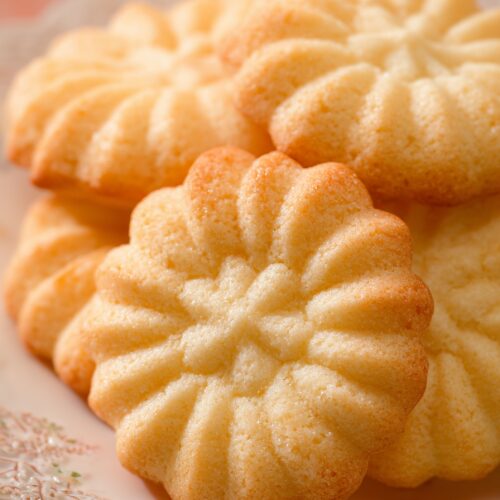
Butter Cookies
Ingredients
- 1 cup unsalted butter 226 g, softened to room temperature (use real butter, not margarine)
- 3/4 cup powdered sugar 90 g, also called confectioners’ sugar or icing sugar
- 1/4 cup granulated sugar 50 g
- 1 1/2 teaspoons pure vanilla extract
- 2 cups all-purpose flour 240 g, spooned and leveled
- 1/4 cup cornstarch 30 g
- 1/4 teaspoon fine sea salt use a scant 1/4 teaspoon if using table salt
- 1-2 tablespoons milk or heavy cream add only if needed to bring dough together or for piping
- coarse sugar or sprinkles optional, for topping before baking
- melted chocolate optional, dark or milk, for dipping or drizzling after baking
- colored sanding sugar optional, especially for Christmas butter cookies
Instructions
- Take the butter out of the refrigerator 30–45 minutes before starting. It should be soft enough to press a finger into easily but not greasy or melting. This prevents overly stiff dough or excessive spreading.1 cup unsalted butter
- In a large mixing bowl, beat the softened butter, powdered sugar, and granulated sugar together for 2–3 minutes until light, creamy, and slightly fluffy. Use a hand mixer on medium speed or a stand mixer with the paddle attachment, scraping down the sides as needed.1 cup unsalted butter, 3/4 cup powdered sugar, 1/4 cup granulated sugar
- Beat in the vanilla extract and fine sea salt just until combined. If desired, you can add about 1/4 teaspoon almond extract in addition to the vanilla for a slight almond note.1 1/2 teaspoons pure vanilla extract, 1/4 teaspoon fine sea salt
- In a separate bowl, whisk together the all-purpose flour and cornstarch until well blended. This helps keep the dough smooth and prevents dry pockets of flour.2 cups all-purpose flour, 1/4 cup cornstarch
- Add the dry ingredients to the butter mixture in two additions, mixing on low speed or by hand just until no streaks of flour remain. The dough will look crumbly at first, then start to clump together. Do not overmix or the cookies may turn tough.2 cups all-purpose flour, 1/4 cup cornstarch
- If rolling the dough into balls or logs, you may not need any liquid. For piping soft swirls or rings, add 1–2 tablespoons of milk or heavy cream and mix again. The dough should be soft enough to pipe but still hold its shape, similar to thick mashed potatoes.1-2 tablespoons milk or heavy cream
- Cover the bowl and chill the dough in the refrigerator for at least 30 minutes and up to 24 hours. Chilling helps the cookies hold their shape and reduces spreading.
- Preheat the oven to 350°F (175°C). Line two baking sheets with parchment paper or silicone baking mats. Do not grease the pans, as extra fat can cause spreading.
- Shape the chilled dough using one of these methods: (1) Simple rounds: Scoop about 1 tablespoon of dough, roll into a ball, and flatten slightly with your fingers or the bottom of a glass. (2) Piped butter cookies: Spoon softened dough into a piping bag fitted with a large star tip and pipe rosettes or rings, spacing about 2 inches apart. (3) Slice-and-bake: Roll dough into a log about 2 inches thick, wrap in plastic, chill until firm, then slice into 1/4-inch rounds.
- If using, sprinkle shaped cookies with coarse sugar, colored sanding sugar, or press a few sprinkles onto the tops before baking. Leave some plain if you plan to dip or drizzle them with melted chocolate after baking.coarse sugar or sprinkles, colored sanding sugar
- Bake one sheet at a time for 10–13 minutes, depending on cookie thickness and your oven. For softer, more shortbread-like cookies, remove when the edges are just barely golden. For crisper, classic butter cookies, bake until the edges are a deeper golden brown. The cookies will firm up as they cool.
- Let the cookies cool on the baking sheet for about 5 minutes, then transfer to a wire rack to cool completely. They are fragile when hot.
- Once cooled, optionally dip half of each cookie in melted chocolate or drizzle chocolate over the tops. Sprinkle with additional sprinkles, chopped nuts, or sanding sugar if desired. Let the chocolate set, then serve with tea, coffee, or milk.melted chocolate