Buldak Ramen Recipe
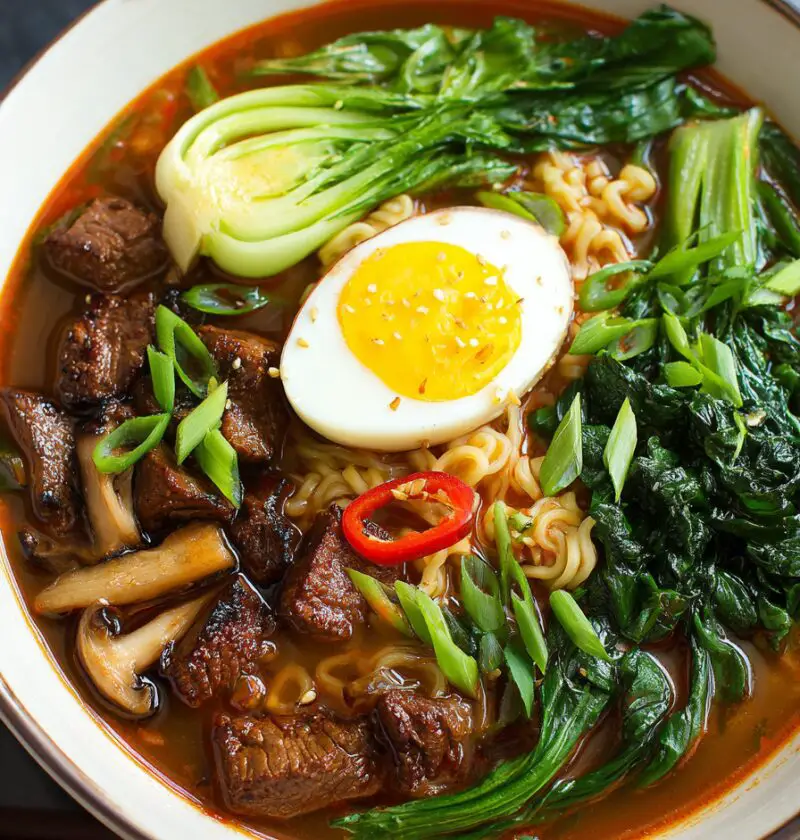
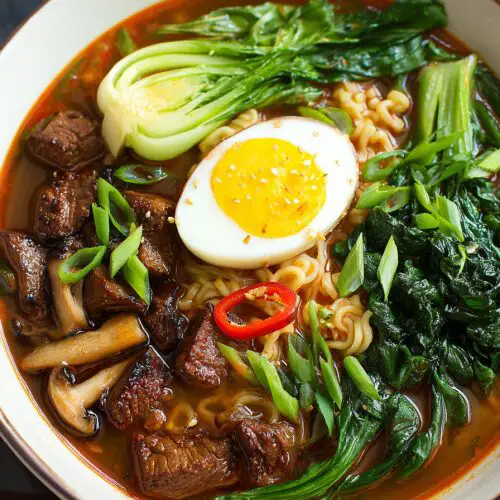
If you’ve been craving a seriously spicy bowl of noodles, this Buldak Ramen Recipe (a homemade twist on Korean fire noodles) gives you all the heat, all the flavor, and a creamy, cozy sauce you can tweak from “pleasantly spicy” to “call the fire department.”
I’m a 50-year-old home cook who loves bold flavors but also likes to sleep at night, so this version of spicy buldak ramen is big on taste, gentle on the stomach, and easy enough for a busy weeknight. We’ll talk about classic Korean fire noodles, a creamy cheese buldak ramen variation, and some fun toppings to make it really feel like restaurant-style spicy Korean ramen right at home.
A Little Love Letter to Buldak Ramen
Buldak literally means “fire chicken” in Korean, and it started as a fiercely spicy grilled chicken dish in Korea. Then came the famous Korean instant ramen version—those glossy, red, buldak stir fried noodles you see all over social media “spicy noodle challenges.”
Now, here’s the thing: I love the flavor of those Korean fire noodles, but not always the intensity. So this homemade buldak ramen recipe is my balanced version—still fiery, with a deep, smoky chili flavor, but with a richer sauce, optional cheese, and plenty of ways to customize the heat level.
I like to make this on Friday nights when my kids are home, and everyone can adjust their own bowl—more sauce for my spice-lovers, extra cheese and egg for my milder folks. It’s comfort food with a little drama, and it feels fun and special without being fussy.
Why You’ll Love This Buldak Ramen Recipe
- Adjustable heat level – You can go full “Korean fire noodles” or keep it at a gentle tingle. Your call.
- Simple pantry ingredients – Mostly soy sauce, gochujang, chili flakes, garlic, and butter—no hard-to-find specialty items.
- Ready in about 20 minutes – Faster than takeout, faster than waiting for delivery, and no deep frying.
- Budget-friendly – Uses basic Korean instant ramen or any ramen noodles you like, plus a few fridge staples.
- Customizable toppings – Stack on eggs, cheese, scallions, seaweed, or leftover chicken to turn it into a full meal.
- Great for “spicy noodle night” – Fun for teens and adults; set out toppings and let everyone build their own bowl.
- Works with many noodle types – Use standard instant ramen, fresh ramen, rice noodles, or even spaghetti in a pinch.
- One-pan sauce, minimal cleanup – You boil the noodles and toss everything together in the same pan at the end.
Ingredients
For this Buldak Ramen Recipe, we’re building a quick, glossy, spicy sauce that clings to the noodles instead of a soupy broth. Measurements below are for 2 servings (easy to double or triple).
For the noodles:
- 2 packs Korean instant ramen (3–3.5 oz each, plain or chicken flavor; discard seasoning packets)
- 4 cups water (for boiling the noodles)
- 1 teaspoon salt (for the water; optional but helps season the noodles)
For the buldak-style sauce:
- 2 tablespoons unsalted butter (for richness and a silky sauce)
- 1 tablespoon neutral oil (canola, avocado, or vegetable)
- 4 cloves garlic, minced (freshly minced tastes best)
- 1 teaspoon grated ginger (fresh or jarred)
- 2 tablespoons gochujang (Korean red chili paste—key for authentic flavor)
- 1–2 tablespoons Korean chili flakes (gochugaru – start with 1 tablespoon if you’re spice-sensitive)
- 1 tablespoon soy sauce (use low-sodium if you’re watching salt)
- 1 tablespoon oyster sauce (adds depth; you can sub with extra soy plus ½ teaspoon sugar if needed)
- 1–2 teaspoons sugar or honey (balances the heat and bitterness)
- ¼ cup water or chicken broth (to loosen the sauce slightly)
- 1 teaspoon rice vinegar or apple cider vinegar (for brightness)
- ¼ teaspoon black pepper
- Pinch of salt, to taste (you may not need much because of soy and oyster sauce)
For cheese buldak ramen (optional but highly recommended):
- ½ cup shredded mozzarella cheese (melts stretchy and creamy)
- 2 tablespoons grated Parmesan or a similar hard cheese (adds savoriness)
Optional protein & veggie add-ins:
- 1 cup cooked chicken, sliced or shredded (leftover rotisserie works beautifully)
- ½ cup thinly sliced cabbage or napa cabbage
- ½ cup julienned carrots
- ½ cup sliced mushrooms (shiitake or button)
- ½ cup baby spinach or chopped bok choy
Buldak ramen toppings (mix and match):
- 2 soft-boiled or jammy eggs, halved
- 2–3 green onions, thinly sliced
- Toasted sesame seeds
- Roasted seaweed (gim/nori), cut into strips
- A drizzle of sesame oil
- Extra chili flakes or chili oil (for spice-lovers)
- Corn kernels or sliced jalapeño (not traditional, but really tasty)
Ingredient tips:
- Gochujang vs. gochugaru: Gochujang is a paste; gochugaru is a flake. They behave differently—use both if you can because together they create that familiar spicy Korean ramen flavor.
- Cheese choice: Mozzarella gives you that stretchy cheese buldak ramen vibe you’ve probably seen online, but honestly, a slice of American cheese melts like a dream too.
Directions
1. Cook the noodles
- Bring 4 cups of water to a boil in a medium pot. Add the salt if using.
- Add the ramen noodles and cook according to package directions, usually 3–4 minutes, just until they’re tender but still a little springy.
- Before draining, reserve about ½ cup of the starchy cooking water, then drain the noodles. Toss lightly with a tiny drizzle of oil so they don’t clump while you make the sauce.
2. Build the spicy buldak base
4. In a large skillet or wide saucepan, melt the butter with the neutral oil over medium heat.
5. Add the minced garlic and ginger and cook for about 30–45 seconds, just until fragrant. Stir often so they don’t brown or burn; if they do, the whole sauce can taste bitter.
3. Stir in the flavor boosters
6. Add the gochujang and gochugaru to the pan and stir them into the butter-garlic mixture. Cook for 30–60 seconds—this “toasts” the chili paste and flakes and really wakes up the flavor.
7. Add the soy sauce, oyster sauce, sugar or honey, black pepper, and ¼ cup water or broth. Stir well until you have a smooth, glossy, brick-red sauce.
4. Adjust the heat and consistency
8. Give the sauce a quick taste (careful, it’s hot). If you want more heat, sprinkle in a bit more gochugaru; if it’s too spicy, add a splash more water and a pinch of sugar.
9. Stir in the rice vinegar and let the sauce bubble gently on low heat for 1–2 minutes; it should be thick but still fluid enough to coat the noodles. If it’s too thick, add a tablespoon or two of the reserved noodle water.
5. Add any veggies or protein
10. If you’re adding cabbage, carrots, mushrooms, or cooked chicken, stir them into the pan now and cook for 2–3 minutes, just until the veggies are slightly tender and everything is coated in sauce. Leafy greens like spinach or bok choy can go in at the last minute—they’ll wilt quickly.
6. Toss noodles in the sauce
11. Add the cooked noodles to the skillet with the buldak sauce and toss with tongs until every strand is coated and glossy. If the sauce seems tight or sticky, splash in a little more of the reserved noodle water. You’re aiming for saucy, not soupy.
7. Turn it into cheese buldak ramen (optional)
12. Reduce the heat to low. Sprinkle the shredded mozzarella and Parmesan (or your cheese of choice) evenly over the noodles.
13. Cover the pan with a lid and let it sit for 1–2 minutes, just until the cheese melts into a gooey blanket. For an extra “restaurant” look, you can broil it briefly in an oven-safe pan until the cheese bubbles and browns in spots.
8. Plate and top your spicy Korean ramen
14. Use tongs to twirl the noodles into bowls. Top with soft-boiled eggs, green onions, sesame seeds, seaweed, and a small drizzle of sesame oil. Add extra chili flakes or chili oil if you’re feeling brave.
15. Serve right away while the cheese is still stretchy and the sauce is hot.
Servings & Timing
- Yield: Serves 2 generously (or 3 smaller portions)
- Prep Time: 10 minutes (chopping garlic, ginger, and toppings)
- Cook Time: 10–12 minutes
- Total Time: About 20–25 minutes, start to finish
You can easily double this recipe for a family of four; just use a bigger skillet so the noodles toss evenly in that glossy sauce.
Fun Variations to Try
Because once you’ve got the base Buldak Ramen Recipe down, you can start to play a little.
- Extra-creamy buldak ramen: Stir in 2–3 tablespoons of heavy cream or half-and-half to the sauce before adding the noodles for a rich, almost vodka-pasta-style texture with Korean heat.
- Chicken buldak ramen: Add 1–1½ cups of cooked chicken (thighs are best) and a pinch of smoked paprika to echo that original grilled “fire chicken” flavor.
- Seafood buldak noodles: Toss in shrimp or small scallops during the sauce stage and cook until just opaque—great if you like spicy seafood.
- Vegetarian buldak ramen: Skip the chicken and oyster sauce; use extra soy sauce plus a touch of miso paste for savory depth.
- Buldak stir fried noodles (drier style): Cut the noodle water back to a few tablespoons so the sauce is very thick, and stir-fry over medium-high heat for a minute for a sticky, glossy finish.
- Cheese overload version: Top the finished dish with extra mozzarella and broil until browned for that “cheese pull” moment.
Storage & Reheating
Spicy noodles are always best fresh, but sometimes you make more than you meant to—trust me, been there.
- Storing:
- Let the noodles cool completely.
- Transfer to an airtight container and refrigerate for up to 3 days.
- Reheating:
- Add a splash of water or milk to loosen the sauce.
- Reheat gently in a skillet over low to medium heat, tossing until warmed through.
- You can also microwave in 30–45 second bursts, stirring in between, and add a little extra cheese at the end.
- Freezing:
- I don’t recommend freezing cooked ramen; the texture turns mushy.
- Make-ahead tips:
- You can mix the buldak sauce base (through step 7) up to 3 days in advance and store it in the fridge.
- When you’re ready to eat, just cook your noodles, warm the sauce in a skillet, and toss together with cheese and toppings.
Notes from My Kitchen to Yours
- Spice calibration: Korean fire noodles are very spicy. If you’re new to buldak-style dishes, start with less gochugaru and taste as you go. You can always add more, but you can’t really take it out.
- Noodle texture: Slightly undercook the noodles by about 30 seconds; they’ll finish cooking in the sauce and stay bouncy instead of soggy.
- Balance is everything: The sugar or honey might seem like “too much” in a savory dish, but it’s doing important work here. It balances bitterness from the chili and adds a little body to the sauce.
- Cheese timing: Add cheese only once the heat is down to low. If it’s too hot, the cheese can split or get stringy in a not-so-nice way.
- Good ventilation helps: When you cook chili paste and flakes in hot oil, it can make the air feel spicy. Turn on your fan and maybe crack a window—especially if you’ve got little kids or pets wandering around.
- Leftover makeover: If your leftover buldak ramen gets a bit soft, turn it into a noodle pancake—press the cold noodles into a hot oiled pan, cook until crisp on both sides, and top with a fried egg.
FAQs
1. How spicy is this Buldak Ramen Recipe really?
It’s medium to very spicy depending on how much gochugaru you use; if you start with the lower amount, most spice-tolerant adults will find it pleasantly hot but not overwhelming.
2. Can I make this without gochujang?
You can use another chili paste, but you’ll lose that signature Korean flavor. If you must, use a mix of chili paste, soy sauce, and a little sugar—but I strongly recommend picking up gochujang if you can.
3. What type of noodles work best?
Korean instant ramen is classic, but any wavy ramen or even thin spaghetti works in a pinch; the key is a noodle that holds sauce well and doesn’t break apart easily.
4. Is there a way to make this less salty?
Yes—use low-sodium soy sauce, reduce or skip the oyster sauce, and add more water or broth to thin the sauce. Taste as you go and season at the end.
5. Can I make this recipe vegetarian or vegan?
Absolutely. Use vegan butter or just oil, skip the oyster sauce (or use a mushroom-based “oyster” sauce), and leave out the cheese or use a vegan cheese that melts well.
6. How do I get that jammy ramen egg?
Simmer eggs for about 6½–7 minutes, then plunge them into ice water for at least 10 minutes before peeling—this gives you a set white with a soft, custardy yolk.
7. My sauce turned too thick and sticky. What did I do wrong?
You probably cooked it a little too long or used less liquid. Just add a bit of reserved noodle water or broth and toss again; it loosens up very quickly.
8. Can I double or triple this for a crowd?
Yes, but use a large, wide pan so the noodles can toss easily in the sauce. You might want to cook the noodles in batches and combine everything gently at the end.
Conclusion
This Buldak Ramen Recipe gives you all the drama of Korean fire noodles—glossy red sauce, deep flavor, and that unbeatable spicy kick—with a cozy, homemade twist and plenty of room to adjust the heat and toppings. It’s quick, fun, and a little bit addictive, in the best way.
If you try this homemade buldak ramen or the cheese buldak ramen variation, I’d love to hear how spicy you went and what buldak ramen toppings you added—leave a comment, rate the recipe, or share your bowl with me. And if you enjoy bold Asian-inspired dishes, go peek at my other easy noodle and stir-fry recipes next time you’re planning “spicy noodle night.”
Buldak Ramen (Korean Fire Noodles, Homemade Style)
Ingredients
- 2 packs Korean instant ramen 3–3.5 oz each, plain or chicken flavor; discard seasoning packets
- 4 cups water for boiling noodles
- 1 teaspoon salt for pasta water; optional
- 2 tablespoons unsalted butter
- 1 tablespoon neutral oil such as canola, avocado, or vegetable oil
- 4 cloves garlic minced
- 1 teaspoon ginger grated, fresh or jarred
- 2 tablespoons gochujang Korean red chili paste
- 1-2 tablespoons gochugaru Korean chili flakes; start with 1 tablespoon if spice-sensitive
- 1 tablespoon soy sauce use low-sodium if preferred
- 1 tablespoon oyster sauce or extra soy sauce plus 1/2 teaspoon sugar
- 1-2 teaspoons sugar or honey to balance heat and bitterness
- 1/4 cup water or chicken broth for loosening the sauce
- 1 teaspoon rice vinegar or apple cider vinegar
- 1/4 teaspoon black pepper
- salt pinch, to taste if needed
- 1/2 cup shredded mozzarella cheese optional, for cheese buldak
- 2 tablespoons grated Parmesan cheese or similar hard cheese; optional, for cheese buldak
- 1 cup cooked chicken sliced or shredded; optional add-in
- 1/2 cup cabbage or napa cabbage thinly sliced; optional add-in
- 1/2 cup carrots julienned; optional add-in
- 1/2 cup mushrooms shiitake or button, sliced; optional add-in
- 1/2 cup baby spinach or bok choy chopped; optional add-in
- 2 soft-boiled or jammy eggs halved; for serving, optional
- 2-3 green onions thinly sliced; for topping, optional
- toasted sesame seeds for topping, optional
- roasted seaweed gim/nori, cut into strips; for topping, optional
- sesame oil a small drizzle for topping, optional
- extra chili flakes or chili oil for topping, optional
- corn kernels or sliced jalapeño optional, non-traditional toppings
Instructions
- Bring 4 cups of water to a boil in a medium pot. Add the salt if using. Add the ramen noodles and cook according to package directions (usually 3–4 minutes), just until tender but still a little springy. Before draining, reserve about 1/2 cup of the starchy cooking water, then drain the noodles. Toss lightly with a tiny drizzle of oil so they don’t clump while you make the sauce.2 packs Korean instant ramen, 4 cups water, 1 teaspoon salt
- In a large skillet or wide saucepan, melt the butter with the neutral oil over medium heat. Add the minced garlic and grated ginger and cook for about 30–45 seconds, just until fragrant, stirring often so they don’t brown or burn.2 tablespoons unsalted butter, 1 tablespoon neutral oil, 4 cloves garlic, 1 teaspoon ginger
- Add the gochujang and gochugaru to the pan and stir into the butter-garlic mixture. Cook for 30–60 seconds to lightly toast the chili paste and flakes. Add the soy sauce, oyster sauce, sugar or honey, black pepper, and 1/4 cup water or broth. Stir well until you have a smooth, glossy, brick-red sauce.2 tablespoons gochujang, 1-2 tablespoons gochugaru, 1 tablespoon soy sauce, 1 tablespoon oyster sauce, 1-2 teaspoons sugar or honey, 1/4 cup water or chicken broth, 1/4 teaspoon black pepper
- Taste the sauce carefully. If you want more heat, sprinkle in a bit more gochugaru; if it’s too spicy, add a splash more water and a pinch of sugar. Stir in the rice vinegar and let the sauce bubble gently on low heat for 1–2 minutes. It should be thick but still fluid enough to coat noodles; if it’s too thick, add a tablespoon or two of the reserved noodle water. Adjust salt to taste if needed.1-2 tablespoons gochugaru, 1-2 teaspoons sugar or honey, 1 teaspoon rice vinegar or apple cider vinegar, 1/4 cup water or chicken broth, salt
- If using cabbage, carrots, mushrooms, or cooked chicken, stir them into the pan and cook for 2–3 minutes, just until the veggies are slightly tender and everything is coated in sauce. Add leafy greens like spinach or bok choy in the last minute so they just wilt.1 cup cooked chicken, 1/2 cup cabbage or napa cabbage, 1/2 cup carrots, 1/2 cup mushrooms, 1/2 cup baby spinach or bok choy
- Add the cooked noodles to the skillet with the buldak sauce. Toss with tongs until every strand is coated and glossy. If the sauce seems tight or sticky, splash in a little more of the reserved noodle water. Aim for saucy, not soupy.2 packs Korean instant ramen
- Reduce the heat to low. Sprinkle the shredded mozzarella and grated Parmesan evenly over the noodles. Cover the pan with a lid and let sit for 1–2 minutes, just until the cheese melts into a gooey blanket. If your pan is oven-safe, you can briefly broil to brown the cheese in spots.1/2 cup shredded mozzarella cheese, 2 tablespoons grated Parmesan cheese
- Use tongs to twirl the noodles into bowls. Top with soft-boiled eggs, green onions, sesame seeds, seaweed strips, and a small drizzle of sesame oil. Add extra chili flakes or chili oil if you like it very spicy, and any additional toppings such as corn or jalapeño slices.2 soft-boiled or jammy eggs, 2-3 green onions, toasted sesame seeds, roasted seaweed, sesame oil, extra chili flakes or chili oil, corn kernels or sliced jalapeño