Buckwheat Flour Recipe (Plus Pancakes, Bread & More From One Simple Mix!)
If you’ve been curious about how to make a healthy, everyday buckwheat flour recipe that you can use for pancakes, bread, crepes, and even dessert, you’re in the right kitchen. This gluten free buckwheat flour base is nutty, wholesome, and easy enough for a busy weekday morning.
As a 50‑year‑old mom who’s cooked through picky toddlers, college kids home on break, and my own perimenopause “what on earth can I eat?” days, buckwheat has become one of my quiet heroes. This homemade buckwheat flour recipe isn’t just about grinding a grain; it’s a whole little system you can plug into breakfasts, snacks, and simple weeknight dinners.
What Is Buckwheat Flour, Really?
Let me start with this: buckwheat is not wheat. I know—the name is confusing. Buckwheat is actually a seed (a “pseudograin”), naturally gluten free, rich in fiber, and surprisingly high in plant-based protein. That’s why a healthy buckwheat flour recipe fits so nicely into gluten free, vegetarian, and vegan kitchens.
Buckwheat flour has a nutty, slightly earthy flavor that works beautifully in:
- Buckwheat flour pancakes and waffles
- Light buckwheat flour crepes
- Rustic buckwheat flour bread and flatbreads
- Everyday muffins and even the occasional buckwheat flour dessert recipe
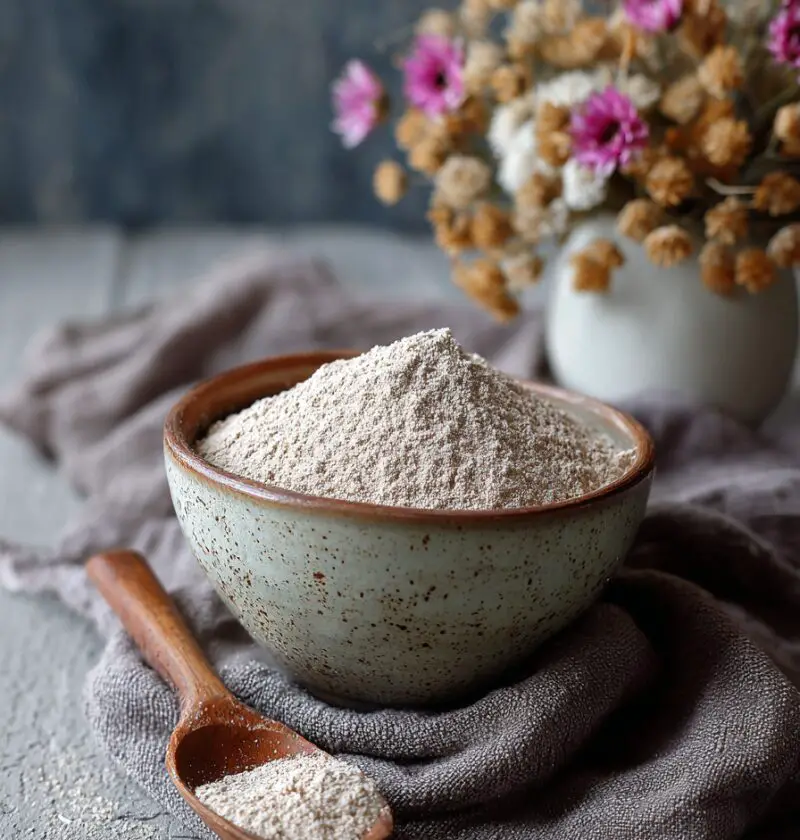
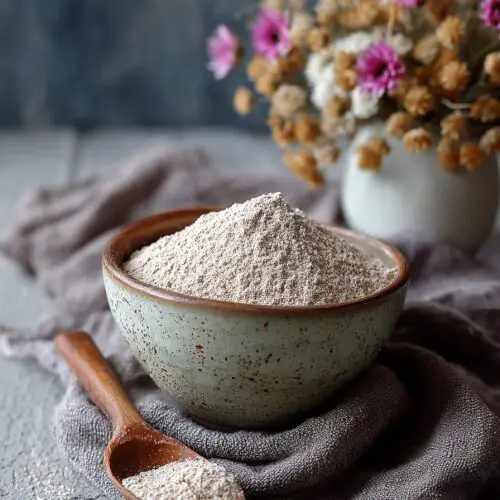
I use whole grain buckwheat groats, grind them into homemade buckwheat flour, and then turn that flour into a simple “master mix” that works for pancakes, waffles, muffins, and a savory buckwheat flour flatbread. Think of it as your buckwheat flour cooking starter kit.
Why You’ll Love This Buckwheat Flour Recipe
Why You’ll Love This Recipe
- Naturally gluten free – Pure buckwheat flour is naturally gluten free, so it’s friendly for celiacs and gluten-sensitive family members.
- Budget-friendly – Making homemade buckwheat flour from whole groats costs less than many specialty gluten free blends.
- Versatile “master mix” – The same base mix works for buckwheat flour pancakes, waffles, muffins, and quick bread with tiny tweaks.
- Nutrient-dense – Packed with fiber, protein, and minerals, this healthy buckwheat flour recipe keeps you full longer than white flour.
- Great for meal prep – Mix a big batch of the dry ingredients and you’re halfway to weekday breakfasts or snacks.
- Works for vegan baking – Easy swaps (like flax “eggs” and plant-based milk) make this a solid vegan buckwheat flour recipe.
- Beginner-friendly – If you can stir and pour, you can handle this easy buckwheat flour recipe—no fancy skills required.
- Customizable flavor – Go sweet for breakfast, savory for dinner, or somewhere in between with just a few spices and add-ins.
Ingredients
This section gives you two parts:
- How to make homemade buckwheat flour
- A simple, versatile buckwheat flour batter mix that you can turn into pancakes, waffles, muffins, or flatbread
For the Homemade Buckwheat Flour
- 2 cups (360 g) whole buckwheat groats (raw, not toasted, for a milder flavor; toasted “kasha” gives a deeper, stronger taste)
That’s it. Just one ingredient.
For the Basic Buckwheat Flour Batter Mix
This makes enough for about 8 pancakes or 8 small waffles, or 8 muffins.
- 1 ½ cups (180 g) homemade buckwheat flour (from above; you can also use store-bought whole grain buckwheat flour)
- ¼ cup (30 g) oat flour or almond flour (adds softness and lightness; optional but recommended)
- 2 tbsp (24 g) coconut sugar, brown sugar, or regular sugar (for savory recipes, reduce to 1 tsp)
- 2 tsp baking powder (look for aluminum-free; helps with lift, especially in gluten free buckwheat flour baking)
- ½ tsp baking soda
- ½ tsp fine sea salt
- 1 tsp ground cinnamon (optional but lovely for breakfast recipes)
Wet Ingredients for Pancakes, Waffles, or Muffins
- 1 ¼ cups (295 ml) milk of choice (whole cow’s milk, oat milk, or almond milk work well)
- 1 large egg, room temperature (for vegan: 1 “flax egg” – 1 tbsp ground flax + 3 tbsp water, rested 5–10 minutes)
- 2 tbsp (30 ml) melted coconut oil or butter (for waffles, increase to 3 tbsp for crispier edges)
- 1 tsp vanilla extract (omit for savory versions)
Wet Ingredients for Savory Flatbread or Crepes
- 1 ½ cups (355 ml) water or unsweetened plant milk
- 1 tbsp olive oil
- ½ tsp dried herbs (like thyme, oregano, or Italian seasoning)
- Optional: 1 small garlic clove, minced
Tip: When choosing buckwheat flour, look for “100% buckwheat” on the label if you’re not making it yourself. Some blends sneak in wheat flour. If you’re grinding flour at home, rinse and dry the groats well if they seem dusty—that keeps the flour tasting fresh and clean.

Directions
We’ll walk through:
- Making homemade buckwheat flour
- Turning that into pancakes (with quick tweaks for waffles, muffins, and flatbread)
1. Make Your Homemade Buckwheat Flour
-
Check and rinse (if needed).
Look through your buckwheat groats and remove any little stones or debris. If they seem dusty, rinse quickly in a mesh strainer and dry thoroughly on a towel or in a very low oven (about 200°F / 95°C) until no moisture remains. -
Grind the groats.
Add the groats to a high‑speed blender, grain mill, or coffee grinder in small batches. Blend on high for 30–60 seconds until you get a fine powder. Pause to scrape down the sides so everything grinds evenly. -
Sift for a lighter texture (optional but helpful).
Pass the ground buckwheat flour through a fine-mesh sieve into a bowl. Any coarse bits can go back in the blender. This extra step gives you fluffier buckwheat flour pancakes and softer muffins. -
Store your flour.
Transfer the homemade buckwheat flour to an airtight jar. Keep it in a cool, dark cupboard for up to 1 month, or in the fridge or freezer for longer freshness (up to 3–4 months). Buckwheat has natural oils and can turn rancid if it sits too long at room temp.
2. Make the Dry Buckwheat Flour Mix
-
Whisk the dry ingredients.
In a medium bowl, whisk together: 1 ½ cups buckwheat flour, oat or almond flour, sugar, baking powder, baking soda, salt, and cinnamon. Make sure there are no clumps—this helps your batter mix evenly. -
Store the dry mix for later (optional).
If you’re meal-prepping, this is a great stopping point. Pour the dry mix into a labeled jar or container; it keeps in the pantry for 2–3 weeks or up to 2 months in the fridge.
3. Prepare the Buckwheat Flour Batter (for Pancakes/Waffles/Muffins)
-
Whisk wet ingredients.
In another bowl, whisk together milk, egg (or flax egg), melted coconut oil or butter, and vanilla. You want everything well combined and the oil slightly cooled so it doesn’t cook the egg. -
Combine wet and dry.
Pour the wet ingredients into the bowl with the dry mix. Gently whisk until just combined. A few small lumps are fine—overmixing can make gluten free batters a bit gummy. -
Let the batter rest.
Let the batter sit 5–10 minutes. This rest lets the buckwheat flour hydrate, which gives you better texture whether you’re making buckwheat flour waffles, pancakes, or muffins.
4. Cook Pancakes or Waffles
-
For pancakes:
- Heat a nonstick skillet or griddle over medium heat. Lightly grease with butter, coconut oil, or avocado oil.
- Pour about ¼ cup of batter per pancake.
- Cook 2–3 minutes, until bubbles form on the top and the edges look set; flip and cook another 1–2 minutes.
- Adjust the heat if they brown too fast before the center cooks through.
-
For waffles:
- Preheat your waffle iron. Grease if needed (some nonstick models don’t require it).
- For crispier buckwheat flour waffles, add 1 extra tablespoon of oil to the batter and thin with an extra splash of milk (the batter should pour easily).
- Cook according to your waffle maker’s directions—usually 3–5 minutes—until golden and crisp.
5. Bake Muffins or a Quick Bread
-
For muffins:
- Preheat the oven to 350°F (175°C).
- Line a muffin tin with paper liners or grease well.
- Spoon batter into cups, filling about ¾ full.
- Bake 15–20 minutes, until a toothpick comes out clean or with a few moist crumbs.
-
For a small loaf:
- Pour batter into a greased 8×4‑inch loaf pan.
- Bake 35–45 minutes, checking at 30. Cover loosely with foil if the top browns too quickly.
6. Make Savory Buckwheat Flour Flatbread or Crepes
-
Mix the savory batter.
- Combine the same dry buckwheat flour mix, but reduce sugar to 1 tsp and skip the cinnamon.
- Whisk in the savory wet ingredients (water or plant milk, olive oil, herbs, optional garlic).
- Batter should be thinner than pancake batter—think pourable but not watery. Add more water a tablespoon at a time if needed.
-
Cook the flatbread/crepes.
- Heat a lightly oiled nonstick skillet over medium.
- Pour in about ¼–⅓ cup batter and swirl the pan to spread it thin.
- Cook 1–2 minutes until the edges lift easily; flip and cook another minute.
- Stack on a plate and cover with a towel to keep them soft.
Servings & Timing
-
Yield (base batter):
- 8–10 medium pancakes, or
- 8 small waffles, or
- 8 muffins, or
- 6–8 flatbreads/crepes
-
Prep Time: 15 minutes (including grinding flour)
-
Rest Time: 5–10 minutes for batter hydration
-
Cook Time: 15–20 minutes, depending on recipe version
-
Total Time: About 35–45 minutes, start to finish
If you already have your homemade buckwheat flour and dry mix ready, your active time drops closer to 15–20 minutes—perfect for a weekday buckwheat flour breakfast recipe.
Variations
Let’s have a little fun with this base buckwheat flour recipe:
- Blueberry Buckwheat Pancakes – Fold ½–¾ cup fresh or frozen blueberries into the batter right before cooking.
- Chocolate Chip Buckwheat Muffins – Add ½ cup dark chocolate chips and a pinch of extra cinnamon for a dessert‑leaning treat.
- Savory Herb Flatbread – Stir in 2 tbsp chopped fresh herbs (like parsley or chives) and serve with hummus or soup.
- Vegan Banana Buckwheat Waffles – Swap the egg for a flax egg, use plant milk, and mash in ½ a ripe banana for natural sweetness.
- Cinnamon Apple Breakfast Bread – Add 1 small diced apple and an extra ½ tsp cinnamon to the batter; bake as a loaf.
- Buckwheat Crepes for Dessert – Make a thinner batter, add 1 extra tablespoon sugar and a touch more vanilla, then fill with yogurt and berries or Nutella.
Storage & Reheating
One of my favorite things about this easy buckwheat flour recipe is how well it stores.
-
Cooked pancakes/waffles/muffins:
- Cool completely, then store in an airtight container in the fridge for up to 4 days.
- For longer storage, freeze in a single layer on a baking sheet, then transfer to a zip-top bag (up to 2 months).
-
Reheating:
- Pancakes & waffles: Reheat in a toaster, toaster oven, or 350°F oven for 5–8 minutes, or until warm and slightly crisp.
- Muffins: Warm in the microwave for 10–15 seconds or in a low oven until heated through.
-
Flatbread/crepes:
- Store stacked, wrapped tightly in foil or a reusable wrap in the fridge for 3–4 days.
- Reheat in a dry skillet over medium heat for 30–60 seconds per side or in the microwave wrapped in a damp towel.
-
Make-ahead tip:
- Mix a double or triple batch of the dry buckwheat flour mix and keep it in a jar.
- On busy mornings, just whisk in the wet ingredients and you’ve got fresh buckwheat flour pancakes in minutes.
Notes From My Kitchen
- Flavor strength: Raw buckwheat groats give a milder flavor than toasted (kasha). If your family is new to buckwheat, start with raw groats or mix in a bit of oat flour to soften the taste.
- Texture balance: Buckwheat can be a little dense. Adding a touch of oat or almond flour and giving the batter a rest makes a big difference in lightness.
- Grind size matters: Too coarse and your buckwheat flour bread or muffins will feel gritty; if your first batch isn’t smooth enough, just re-blend and sift.
- Liquid adjustments: Different gluten free flours absorb liquid differently. If your batter looks too thick (like dough), add milk or water a tablespoon at a time until it flows.
- Pan temperature: For pancakes and flatbreads, a medium—not screaming hot—pan is your friend. If they burn before they cook through, your heat’s too high.
- Flavor boosters: Vanilla, cinnamon, nutmeg, or even a tiny splash of maple extract can turn a simple buckwheat flour breakfast recipe into something that feels café-worthy.
FAQs
Is buckwheat flour really gluten free?
Yes—pure buckwheat flour is naturally gluten free, but always check labels for any cross-contamination warnings if you’re cooking for someone with celiac disease.
Can I substitute buckwheat flour 1:1 for all-purpose flour in any recipe?
Not usually; buckwheat behaves differently, so it’s better to follow a tested buckwheat flour recipe or use it for up to half of the wheat flour in many baked goods.
My pancakes came out dense—what did I do wrong?
Common culprits are overmixing, not enough liquid, or skipping the batter rest; next time, add a bit more milk and stir just until combined.
Can I make this recipe completely vegan?
Absolutely—use plant milk, a flax or chia egg, and coconut oil or another neutral vegetable oil, and you’ll have a tasty vegan buckwheat flour recipe.
Do I need a special grinder to make homemade buckwheat flour?
A high-speed blender like a Vitamix or a clean coffee grinder works well; just grind in small batches so everything becomes fine and even.
What’s the best way to store buckwheat flour?
Keep it in an airtight container in the fridge or freezer to protect the natural oils from going rancid, especially if you buy or grind in bulk.
Can I make a savory buckwheat dough for pizza or flatbread?
You can—use the savory batter variation and make thinner flatbreads, or mix buckwheat flour with another gluten free flour and a binder like psyllium husk for a more structured dough.
Is buckwheat flour good for blood sugar control?
Buckwheat has more fiber and nutrients than white flour, so many people find it more blood-sugar-friendly, but always work with your healthcare provider if you’re managing diabetes.
Conclusion
This humble buckwheat flour recipe isn’t just one dish—it’s a little toolkit you can lean on all week long. From cozy weekend buckwheat flour pancakes to a quick savory flatbread with soup, it’s a simple, healthy way to bring whole grain goodness into your everyday cooking.
If you try this recipe, let me know how you used it—pancakes, muffins, crepes, or something totally different. Leave a comment, share your tweaks, and then poke around for more gluten free and whole-grain recipes to keep that jar of buckwheat flour working hard for you.
Buckwheat Flour Master Mix (for Pancakes, Waffles, Muffins & Flatbread)
Ingredients
- 2 cups whole buckwheat groats 360 g; raw, not toasted, for a milder flavor
- 1 1/2 cups homemade buckwheat flour or store-bought whole grain buckwheat flour; about 180 g
- 1/4 cup oat flour or almond flour about 30 g; adds softness and lightness; optional but recommended
- 2 tablespoons coconut sugar or brown sugar or regular sugar; for savory versions reduce to 1 teaspoon
- 2 teaspoons baking powder aluminum-free if possible
- 1/2 teaspoon baking soda
- 1/2 teaspoon fine sea salt
- 1 teaspoon ground cinnamon optional; omit for savory versions
- 1 1/4 cups milk of choice about 295 ml; whole milk, oat milk, or almond milk work well; for pancakes/waffles/muffins
- 1 large egg room temperature; or 1 flax egg (1 tbsp ground flax + 3 tbsp water, rested 5–10 minutes) for vegan
- 2 tablespoons melted coconut oil or butter for waffles, increase to 3 tablespoons for crispier edges
- 1 teaspoon vanilla extract omit for savory flatbread/crepes
- 1 1/2 cups water or unsweetened plant milk about 355 ml; for savory flatbread or crepes
- 1 tablespoon olive oil for savory flatbread or crepes
- 1/2 teaspoon dried herbs such as thyme, oregano, or Italian seasoning; for savory flatbread or crepes
- 1 small garlic clove minced; optional, for savory flatbread or crepes
Instructions
- Look through the buckwheat groats and remove any small stones or debris. If the groats seem dusty, quickly rinse them in a mesh strainer and dry thoroughly on a towel or in a very low oven (about 200°F / 95°C) until no moisture remains.2 cups whole buckwheat groats
- Add the dry buckwheat groats to a high-speed blender, grain mill, or coffee grinder in small batches. Blend on high for 30–60 seconds until you have a fine powder, scraping down the sides as needed so everything grinds evenly.2 cups whole buckwheat groats
- Pass the ground buckwheat flour through a fine-mesh sieve into a bowl. Return any coarse bits to the blender and re-grind. This step helps produce fluffier pancakes and softer muffins.
- Transfer the homemade buckwheat flour to an airtight jar. Store in a cool, dark cupboard for up to 1 month, or in the fridge or freezer for 3–4 months to prevent the natural oils from turning rancid.1 1/2 cups homemade buckwheat flour
- In a medium bowl, whisk together 1 1/2 cups homemade buckwheat flour, oat or almond flour, sugar, baking powder, baking soda, salt, and cinnamon (if using). Break up any clumps so the mixture is evenly combined.1 1/2 cups homemade buckwheat flour, 1/4 cup oat flour or almond flour, 2 tablespoons coconut sugar, 2 teaspoons baking powder, 1/2 teaspoon baking soda, 1/2 teaspoon fine sea salt, 1 teaspoon ground cinnamon
- For meal prep, transfer the dry mix to a labeled jar or airtight container. Store in the pantry for 2–3 weeks or in the fridge for up to 2 months.
- In another bowl, whisk together the milk, egg (or prepared flax egg), melted coconut oil or butter, and vanilla until well combined. Make sure the fat is slightly cooled so it doesn’t cook the egg.1 1/4 cups milk of choice, 1 large egg, 2 tablespoons melted coconut oil or butter, 1 teaspoon vanilla extract
- Pour the wet mixture into the bowl with the dry buckwheat mix. Gently whisk until just combined; a few small lumps are fine. Avoid overmixing, which can make gluten free batters gummy.
- Let the batter sit for 5–10 minutes to allow the buckwheat and other flours to hydrate. This improves texture for pancakes, waffles, and muffins.
- Heat a nonstick skillet or griddle over medium heat and lightly grease with butter, coconut oil, or another neutral oil. Pour about 1/4 cup of batter per pancake. Cook 2–3 minutes until bubbles form on the surface and edges look set, then flip and cook 1–2 minutes more. Adjust heat so pancakes brown evenly without burning before the centers cook through.
- Preheat your waffle iron and grease if needed. For extra-crisp waffles, add 1 additional tablespoon oil to the batter and a splash more milk so it pours easily. Cook according to your waffle maker’s instructions, usually 3–5 minutes, until golden and crisp.2 tablespoons melted coconut oil or butter, 1 1/4 cups milk of choice
- Preheat the oven to 350°F (175°C). Line a muffin tin with paper liners or grease well. Spoon batter into the cups, filling each about 3/4 full. Bake 15–20 minutes, or until a toothpick inserted in the center comes out clean or with a few moist crumbs.
- Grease an 8×4-inch loaf pan and pour in the batter. Bake at 350°F (175°C) for 35–45 minutes, checking at 30 minutes. If the top browns too quickly, tent loosely with foil. The loaf is done when a toothpick inserted into the center comes out clean or with a few moist crumbs.
- Prepare the same dry buckwheat mix but reduce the sugar to 1 teaspoon and omit the cinnamon. In a bowl, whisk together the dry mix with water or unsweetened plant milk, olive oil, dried herbs, and optional minced garlic. The batter should be thinner than pancake batter—pourable but not watery. Add more water a tablespoon at a time if needed.1 1/2 cups water or unsweetened plant milk, 1 tablespoon olive oil, 1/2 teaspoon dried herbs, 1 small garlic clove
- Heat a lightly oiled nonstick skillet over medium heat. Pour in about 1/4–1/3 cup of savory batter and quickly swirl the pan to spread it into a thin circle. Cook 1–2 minutes until the edges lift easily and the underside is lightly browned. Flip and cook for about 1 more minute. Stack cooked flatbreads or crepes on a plate and cover with a towel to keep them soft.