Baby Puree Recipe (That Babies Actually Eat!)
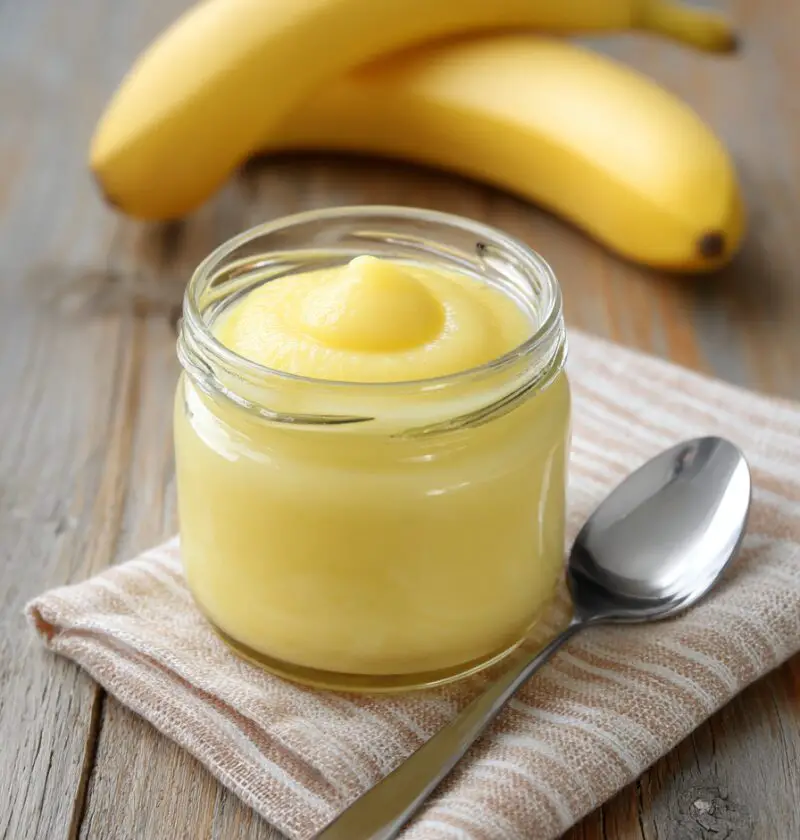
This simple baby puree recipe is smooth, naturally sweet, and full of nutrients—perfect as a first foods puree when your little one is just starting solids.
I still remember the first time I made a homemade baby puree for my youngest. I was standing in my tiny kitchen, a pot of steaming sweet potatoes on the stove, wondering why those tiny jars at the store cost more than my lunch. That day, I realized how easy, affordable, and honestly more flavorful a good baby food puree can be when you make it at home.
This baby puree recipe is a flexible “base formula” for both vegetable baby puree and fruit baby puree, so you can mix and match flavors as your baby grows. It’s especially helpful for baby-led weaning families who still want a silky smooth baby weaning puree for early stages, or for days when finger foods feel a little too ambitious.
Why You’ll Love This Baby Puree Recipe
- Perfect for first-time eaters – This smooth baby puree is gentle on tiny tummies and ideal as a first foods puree around 6 months (with your pediatrician’s okay).
- Easy, beginner-friendly method – No fancy equipment beyond a blender or food processor. If you can boil water, you can make this.
- Healthy and nutrient-dense – Packed with vitamins, fiber, and natural sweetness from whole fruits and veggies—no added sugar.
- Budget-friendly – A batch of homemade baby puree costs a fraction of store-bought pouches or jars.
- Customizable flavors – Start simple, then combine fruits and veggies for fun infant puree recipes as your baby gets more confident.
- Freezer-friendly – Make once, freeze in small portions, and you’ve got healthy baby puree on hand for busy days.
- Smooth, velvety texture – Easily adjust thickness from very runny to thicker pureed baby food as your baby progresses.
- Great for picky phases – You can stir a spoonful into yogurt, oatmeal, or applesauce for toddlers who suddenly “don’t like” vegetables.
Ingredients
For this basic Baby Puree Recipe, I’m sharing a classic combo: sweet potato + apple. It covers both vegetable baby puree and fruit baby puree, and works beautifully for most babies starting solids.
Makes about 2–2½ cups puree (8–10 baby servings, depending on age and appetite).
- 1 medium sweet potato (about 8–10 oz / 225–280 g; orange-flesh varieties are sweeter)
- 2 medium apples (about 10–12 oz / 280–340 g total; use sweeter types like Gala, Fuji, or Pink Lady)
- ½–1 cup water, breast milk, or formula, divided (start with ½ cup and add more as needed for desired consistency)
- 1–2 teaspoons unsalted butter or neutral oil (optional; for babies 6+ months to add healthy fat and creaminess)
- Pinch of ground cinnamon (optional, for babies who’ve already tried cinnamon and tolerated it well)
A few ingredient tips from my kitchen to yours:
- Sweet Potato – Look for firm sweet potatoes with smooth skin and no big bruises. Thinner, longer ones often cook more evenly.
- Apples – Sweeter apples make the puree more appealing to babies without any sugar. If your baby is just starting, skip very tart apples like Granny Smith.
- Liquid Choice – Plain water is totally fine. Using breast milk or prepared formula can make a familiar taste and help hesitant babies accept new textures.
- Fat – A bit of fat helps absorption of fat-soluble vitamins and keeps little tummies full longer. I like KerryGold unsalted butter or a mild avocado oil.
Directions
-
Prep the sweet potato
Rinse and scrub the sweet potato well, then peel it with a vegetable peeler. Cut into roughly 1-inch chunks so they cook evenly. Smaller chunks cook a little faster but don’t stress over perfect cubes. -
Prep the apples
Peel the apples, core them, and cut into 1-inch chunks. If you’ve got an apple slicer, use it and then chop the wedges. The goal is just similar-sized pieces so everything softens at the same time. -
Steam or simmer the veggies and fruit
Add the sweet potato and apple chunks to a medium saucepan. Pour in just enough water to barely cover the bottom of the pan—about ½ cup. Cover with a lid. Bring to a gentle simmer over medium heat and cook for 10–15 minutes, stirring once or twice, until both sweet potatoes and apples are very soft when pierced with a fork. (If the water evaporates and the pan looks dry, add a splash more.) -
Cool slightly before blending
Turn off the heat and let the mixture cool for 5 minutes. This step helps avoid steam popping the lid off your blender and also makes it safer for you. You can transfer the contents to a wide, shallow bowl for faster cooling if you’re in a rush. -
Blend into a smooth baby puree
Transfer the cooked sweet potato and apple, plus any remaining cooking liquid, into a blender or food processor. Add ¼–½ cup additional water, breast milk, or formula to start. Blend on high until completely smooth, stopping to scrape down the sides as needed. The puree should look silky and spoonable—no visible chunks. -
Adjust the texture
For a very smooth, thin first foods puree, add more liquid a tablespoon at a time and blend again. For older babies (7–8 months+), you can keep it a little thicker. You can even blend less time for a slightly more textured baby food puree as they get more comfortable. -
Add optional fat and spice
Once the puree is smooth and the mixture has cooled to warm (not hot), add 1–2 teaspoons of unsalted butter or oil and a tiny pinch of cinnamon, if using. Blend again briefly. Adding fat after cooking helps keep the flavor fresher and avoids any separation. -
Portion for serving and storage
Spoon some puree into a clean bowl for serving and let it cool completely to room temperature. Pour the remaining puree into ice cube trays, silicone baby food trays, or small airtight containers for storage. Each cube in a standard ice tray is about 1 tablespoon—perfect for younger babies. -
Serve and enjoy the moment
Offer a tiny spoonful to your baby and watch their reaction. Don’t worry if most of it ends up on their bib or your shirt; early feeding is as much about exploration as nutrition. You can thin the puree further right in the bowl if needed.
Servings & Timing
- Yield: About 2–2½ cups puree (roughly 8–10 baby servings of 3–4 tablespoons each)
- Prep Time: 10 minutes (peeling and chopping)
- Cook Time: 10–15 minutes
- Blend Time: 5 minutes
- Total Time: About 25–30 minutes from start to finish
I usually double the batch on Sunday afternoon and stash cubes in the freezer; it makes weeknights so much easier.
Fun Variations for This Simple Baby Puree Recipe
Once your baby has tried single-ingredient purees and you’ve checked for any reactions, you can play a bit. Here are some simple, baby-friendly ideas:
- Carrot-Apple Puree – Swap the sweet potato for 2–3 carrots, peeled and sliced; steam with the apples for a bright orange, slightly sweet puree.
- Pear-Sweet Potato Puree – Replace apples with ripe pears for a gentler, mellow sweetness that’s kind to sensitive tummies.
- Banana Add-In – Blend in ½ ripe banana after cooking (no need to cook it) for a creamy, dessert-like infant puree recipe.
- Pea-Sweet Potato Puree – Add ½ cup frozen peas during the last 5 minutes of cooking for extra protein and iron.
- Butternut Squash Puree – Use cubed butternut squash instead of sweet potato and keep the apple; it’s a classic fall baby food puree.
- Yogurt Swirl – For babies who tolerate dairy (usually 7–8 months+), stir in a spoonful of plain whole-milk yogurt right before serving for added creaminess.
Storage & Reheating
This part is where homemade pureed baby food really shines for busy parents and grandparents.
-
Refrigerator:
Store cooled baby puree in airtight containers in the fridge for up to 3 days. I like using 4-ounce glass jars so portions are already measured. -
Freezer:
Freeze the puree in ice cube trays or silicone baby food trays, then pop the cubes into a labeled freezer-safe bag. Use within 2–3 months for the best flavor and texture. -
Thawing:
- Overnight in the fridge: Place the desired number of cubes in a small container and thaw overnight.
- Quick thaw: Put frozen cubes in a heat-safe bowl and set that bowl in a larger bowl of warm (not boiling) water, stirring occasionally.
-
Reheating / Warming:
Warm gently by placing the container in a mug of warm water or using short bursts (5–10 seconds) in the microwave, stirring and checking temperature every time. Always test on the inside of your wrist—puree heats quickly and hot spots happen. -
Make-Ahead Tips:
I recommend keeping one tray of “plain” veggie puree and one tray of fruit puree in the freezer. Then you can mix and match cubes for customized, healthy baby puree combos in seconds.
Notes From My Kitchen (And My Mistakes)
- Don’t stress about perfection. Babies are much more flexible than we think. If your puree is a little thicker one day and thinner the next, that’s alright.
- Start simple with flavors. For very first foods purees, offer single ingredients for 2–3 days each before combining things. It helps you spot any potential allergies or sensitivities.
- Texture is a journey. A very smooth baby puree is comforting at first, but don’t be afraid to gradually thicken it. You can even mash a portion with a fork instead of blending once your baby is ready for more texture.
- Use what you have. Have a lonely carrot or half a pear in the crisper? Toss it into your next batch. Homemade baby puree is forgiving.
- Batch cooking saves sanity. I used to make one big pot on Sunday—sweet potato, carrot, apple, pear—puree the whole thing, and then freeze in smaller portions. It felt like having a personal baby food store in my freezer.
- Avoid salt and sugar. Babies’ kidneys and taste buds don’t need extras yet. Let fruits and veggies be the star.
You know what? The biggest lesson I learned making baby weaning purees for three kids is this: some days they’ll eat everything, and some days they’ll clamp their mouths shut like a tiny vault. That’s normal. Keep offering, stay calm, and trust the process.
FAQs About Baby Puree Recipes
1. When can I start giving my baby this puree?
Most babies are ready for smooth baby puree around 6 months, but always check with your pediatrician and look for signs of readiness like sitting with support and interest in food.
2. Can I use a hand blender instead of a regular blender?
Yes, an immersion blender works very well—just blend right in the pot and be careful of splatters.
3. How smooth should the puree be for a first foods puree?
For early stages, it should be completely smooth and pourable, a bit like thin yogurt; you can thicken it later as your baby gets used to eating.
4. Can I mix breast milk or formula into frozen cubes later?
Absolutely. Thaw the plain vegetable baby puree first, then stir in breast milk or prepared formula right before serving.
5. Is it okay to microwave baby puree?
Yes, but use short bursts, stir well, and always test the temperature—microwaves can create hot spots that might burn your baby’s mouth.
6. What if my baby doesn’t like this puree at first?
Keep trying. It can take 8–10 exposures for a baby to accept a new flavor; offer a small taste every few days without pressure.
7. Can I add spices or herbs to baby food puree?
Mild spices like cinnamon, nutmeg, or a tiny pinch of mild herbs (like basil or thyme) can be introduced gradually after basic foods are tolerated and with your pediatrician’s okay.
8. How do I know if the puree has gone bad in the fridge?
If it smells sour, looks darker or separated in a strange way, or has any mold spots, toss it—better safe than sorry.
Conclusion
This simple baby puree recipe is a gentle, nourishing way to introduce your little one to whole fruits and veggies. It’s affordable, freezer-friendly, and easy to customize as your baby’s tastes (and appetite!) grow.
If you try this homemade baby puree, I’d love to hear how it went—what did your baby think, and what fun combinations did you create? Leave a comment, share your tweaks, and then explore more baby weaning puree ideas and family-friendly recipes to carry you through those busy, beautiful early years.
Baby Puree Recipe (Sweet Potato + Apple)
Ingredients
- 1 medium sweet potato about 8–10 oz / 225–280 g; orange-flesh varieties are sweeter
- 2 medium apples about 10–12 oz / 280–340 g total; use sweeter types like Gala, Fuji, or Pink Lady
- 1/2–1 cup water, breast milk, or prepared formula divided; start with 1/2 cup and add more as needed for consistency
- 1–2 teaspoons unsalted butter or neutral oil optional; for babies 6+ months to add healthy fat and creaminess
- 1 pinch ground cinnamon optional; for babies who have already tried cinnamon and tolerated it well
Instructions
- Rinse and scrub the sweet potato well, then peel it with a vegetable peeler. Cut into roughly 1-inch chunks so they cook evenly. Smaller chunks cook a little faster, but they don’t need to be perfect.1 medium sweet potato
- Peel the apples, core them, and cut into 1-inch chunks. Aim for similar-sized pieces so the apples and sweet potato soften in about the same amount of time.2 medium apples
- Add the sweet potato and apple chunks to a medium saucepan. Pour in about 1/2 cup water—just enough to barely cover the bottom of the pan. Cover with a lid, bring to a gentle simmer over medium heat, and cook for 10–15 minutes, stirring once or twice, until both are very soft when pierced with a fork. If the pan looks dry, add a splash more water.1 medium sweet potato, 2 medium apples, 1/2–1 cup water, breast milk, or prepared formula
- Turn off the heat and let the mixture cool for about 5 minutes. This helps avoid steam building up in the blender and makes it safer to handle. For faster cooling, transfer the mixture to a wide, shallow bowl.
- Transfer the cooked sweet potato and apple, along with any remaining cooking liquid, to a blender or food processor. Add 1/4–1/2 cup additional water, breast milk, or formula to start. Blend on high until completely smooth, scraping down the sides as needed, until there are no visible chunks.1 medium sweet potato, 2 medium apples, 1/2–1 cup water, breast milk, or prepared formula
- For a very smooth, thin first-foods puree, add more liquid a tablespoon at a time and blend again until pourable, like thin yogurt. For older babies, keep the puree a bit thicker, or blend for a shorter time to leave a little more texture.1/2–1 cup water, breast milk, or prepared formula
- Once the puree is smooth and has cooled to warm (not hot), add 1–2 teaspoons unsalted butter or neutral oil and a tiny pinch of ground cinnamon, if using. Blend briefly to combine. Adding fat after cooking keeps the flavor fresh and helps with nutrient absorption.1–2 teaspoons unsalted butter or neutral oil, 1 pinch ground cinnamon
- Spoon some puree into a clean bowl for serving and let it cool completely to room temperature. Transfer the remaining puree into ice cube trays, silicone baby food trays, or small airtight containers. Standard ice cube trays hold about 1 tablespoon per cube—great for early, small portions.
- Offer a tiny spoonful to your baby. You can thin the puree in the bowl with a bit more water, breast milk, or formula if needed. Expect some mess—early feeding is about exploration as much as nutrition.
Notes
- Carrot-Apple Puree: Use 2–3 carrots (peeled and sliced) in place of sweet potato and cook with the apples.
- Pear-Sweet Potato Puree: Replace apples with ripe pears for a gentler, mellow sweetness.
- Banana Add-In: Blend in 1/2 ripe banana after cooking for extra creaminess (no need to cook the banana).
- Pea-Sweet Potato Puree: Add 1/2 cup frozen peas during the last 5 minutes of cooking for more protein and iron.
- Butternut Squash Puree: Swap sweet potato for cubed butternut squash and keep the apple.
- Yogurt Swirl: For babies who tolerate dairy (often 7–8 months+), stir in a spoonful of plain whole-milk yogurt just before serving. Storage & reheating:
- Refrigerate cooled puree in airtight containers for up to 3 days.
- Freeze in ice cube or silicone baby food trays, then transfer to labeled freezer bags. Use within 2–3 months for best quality.
- Thaw overnight in the fridge, or place frozen cubes in a small heat-safe bowl set inside a larger bowl of warm (not boiling) water.
- Warm gently in warm water or in very short microwave bursts (5–10 seconds), stirring well and always testing on the inside of your wrist. Tips:
- Start with single-ingredient purees for 2–3 days each before mixing, to watch for reactions.
- Gradually move from very smooth to thicker and slightly textured purees as your baby progresses.
- Avoid adding salt or sugar; let the natural sweetness of fruits and vegetables shine.